








Does a Fireplace Add Value to a Home?
Posted by Anna William on Jul 27th 2026
If you are considering adding a fireplace before selling your home or upgrading your living space, one of the biggest questions is likely: Does a fireplace add value to a home? The answer is generally yes. A fireplace can increase a home's appeal, create a more inviting atmosphere, and potentially improve resale value. However, the actual return depends on factors such as the fireplace type, installation costs, home location, and buyer preferences in your market.
In this guide, we will explore how fireplaces impact home value, compare the value of different fireplace options, discuss installation costs, and help you decide whether adding one is the right investment for your property. Based on our experience helping homeowners choose fireplace solutions, we will cover the factors buyers consider when evaluating homes with fireplaces.
How Much More Value Does a Fireplace Add to a Home?
Let's start with the money question, since it is the one that matters most. Although there isn't a definitive figure, the research is promising. In the National Association of Home Builders' What Home Buyers Really Want study, buyers said they would pay a median of $5,000 up front to save about $1,000 a year on utility costs, and an efficient fireplace can help with that. Separately, surveys of real estate agents have long placed a fireplace's added value in the $1,000 to $5,000 range, though only about a third of buyers agree, and some will not pay extra at all.
What is the average value that a fireplace adds to a home? Think of it as a modest but reliable bump, plus a faster sale. The feature rarely hurts resale, and in the right market, it clearly helps, though buyers often value it less than agents do. The honest answer is that value ranges widely, because a builder-grade unit in a warm climate performs very differently from a modern built-in in a cold one. Two identical homes can see very different returns based on that one detail alone.
It also helps to separate two ideas: the dollar value a fireplace adds to an appraisal, and the buyer appeal that helps your home sell at all. Appraisers may credit a fireplace modestly, but buyers often react to it emotionally, and that reaction is what wins offers. Both effects work in your favor when the fireplace is clean, safe, and well-matched to the home.
Why Fireplaces Increase Value and Attract Buyers
There is more to a fireplace than just heating a space. It alters the way customers feel as soon as they enter. Here are the three reasons it moves the needle.
A Focal Point and Aesthetic Appeal
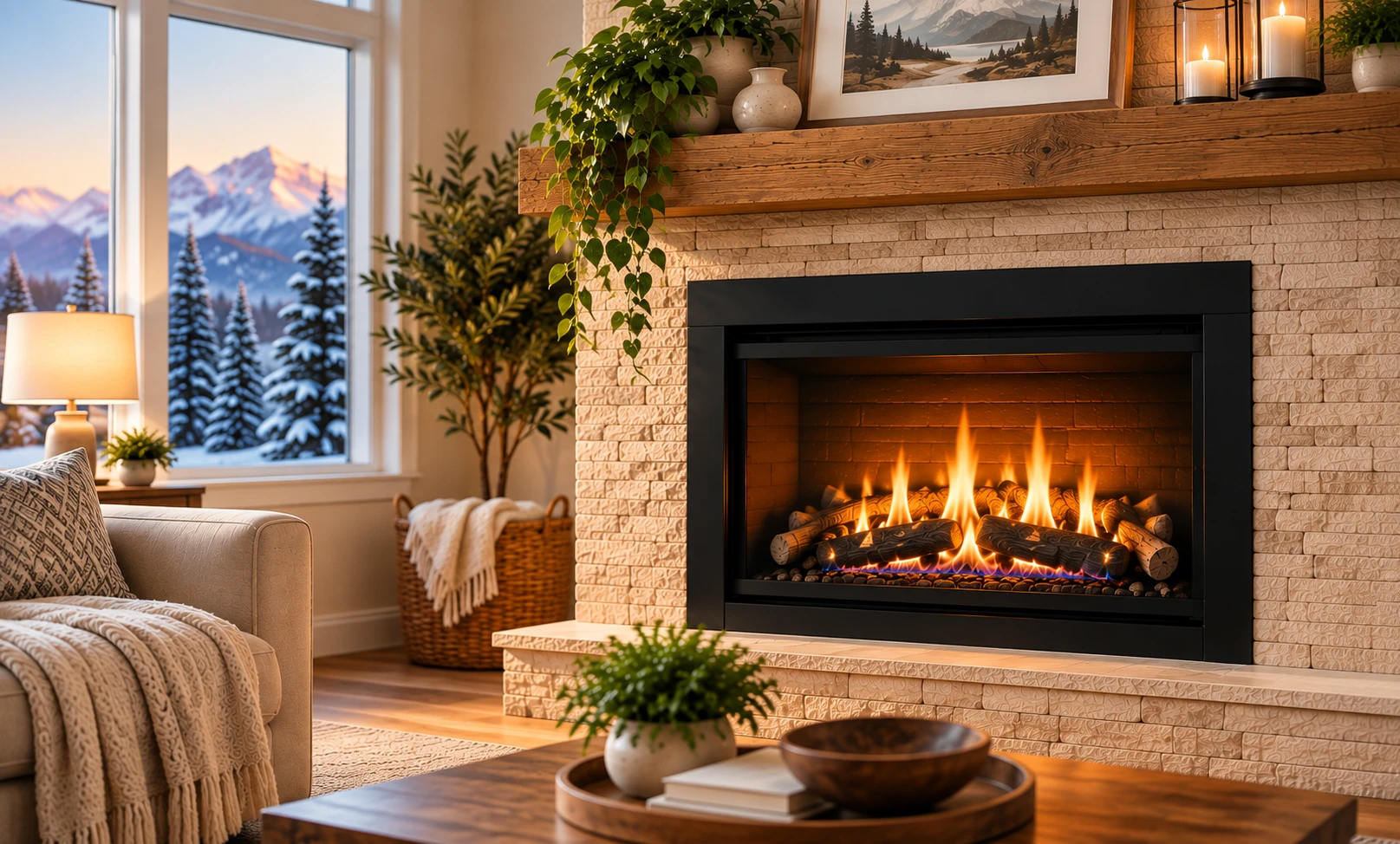
Customers imagine themselves lounging in front of a fireplace when they see one. Naturally, it becomes the room's main attraction and denotes a cozy, luxurious home. A clean modern unit or a classic hearth both add character that photographs well and help your listing stand out.
Energy Efficiency and Lower Utility Bills
A modern gas or electric fireplace can provide supplemental heat to the main living area. That means you can lean on your central system a little less on cold evenings. Buyers notice this, especially in the North and Midwest, where winter utility bills sting. Efficiency is not merely a nice-to-have; it is a real selling point.
Boost Sales and Forge Emotional Connections
Homes with a fireplace often sell faster because the feature creates an emotional pull that few upgrades match. In a competitive market, a house with fireplace warmth can feel more move-in ready than a comparable listing without one. That emotional edge is hard to price, but agents see it as helping close deals.
How Much Value Does Each Fireplace Type Add?
Not every fireplace performs the same at resale. Here is how the main types compare, along with what we carry at Embers Living for each.
Does a Gas Fireplace Add Value?
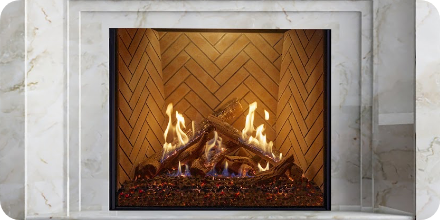
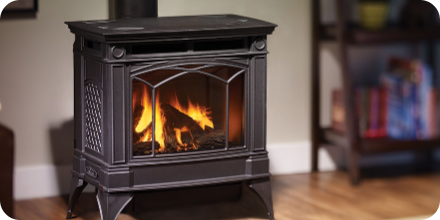
Gas fireplaces are a favorite for resale. They are clean-burning, easy to operate with a switch or remote, and they produce real, usable heat with almost no mess. Buyers love the convenience, which is why a well-placed gas unit tends to hold its appeal. If you want to know whether adding a fireplace increases home value the most efficiently, a modern built-in gas model is often the strongest answer.
Does an Electric Fireplace Add Value?
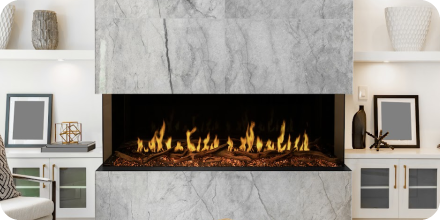
The simplest and least expensive way to add a hearth is with an electric fireplace. They need no gas line and no venting, so they can be installed almost anywhere, including condos, bedrooms, and warm-climate homes where heat is optional. At Embers Living, we carry electric fireplaces from brands like Modern Flames, Dimplex, and Amantii, which give you realistic flames and flexible placement. They add ambiance and appeal, even if they add less structural value than a built-in gas unit.
Does a Wood-Burning Fireplace Add Value?
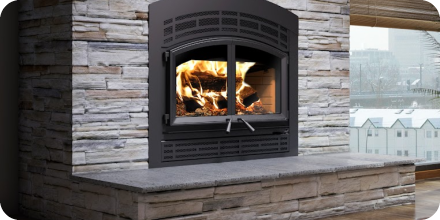
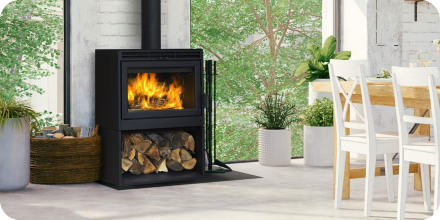
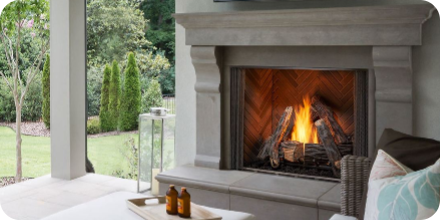
Many buyers still adore the classic charm of a real wood fire because nothing compares to its crackle and aroma. The trade-off is upkeep. Wood-burning fireplaces need regular cleaning, a firewood supply, and often lose much of their heat up the chimney. A wood-burning fireplace can be a powerful emotional appeal if your house already has a functional chimney. If it does not, the install can get expensive fast.
Do Fireplace Inserts and Stoves Add Value?
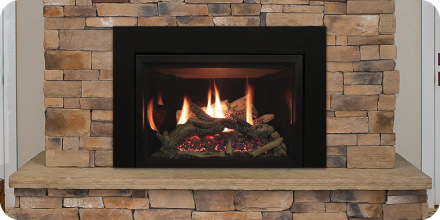
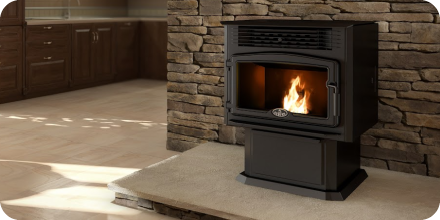
A fireplace insert or stove is a smart middle path. It upgrades an existing, dated firebox into an efficient, better-looking feature without a full rebuild. Inserts boost heat output and cut emissions, which appeals to efficiency-minded buyers. We stock inserts, stoves, and log sets so you can refresh a tired hearth rather than replace the whole thing.
What Does It Cost to Add a Fireplace?
Cost is the other half of the value equation. Prices vary by type, your home's structure, labor, and permits. Use these typical ranges as a starting point, then get a local quote for accurate pricing.
Typical Installed Costs by Fireplace Type
- Electric fireplace: $500 to $9,000+
- Lowest overall cost of any fireplace type
- Easy plug-and-play installation with minimal construction
- Adds instant ambiance and visual appeal
- Great pick for renters, condos, or quick home upgrades
- Gas fireplace: $3,000 to $17,000+
- Strong buyer demand across most housing markets
- Efficient heat output with the flip of a switch
- Often delivers the best balance of resale value and everyday use
- Ideal for homeowners who want warmth without the mess of wood
- Wood-burning fireplace: $10,000 to $25,000+
- Highest charm factor and traditional appeal
- Requires ongoing upkeep like cleaning, wood storage, and chimney sweeping
- Best value when an existing chimney is already in place
- A classic choice for character-driven homes
- Insert or stove: $1,000 to $5,000+
- An efficient upgrade to an existing firebox
- Lower cost compared to a full fireplace installation
- Boosts heat output while modernizing an older setup
- Ideal for homeowners looking to refresh without a full rebuild
Costs shown are general industry ranges and will vary based on region, model, materials, and installation complexity.
Match Your Spend to Your Return
- Small investment, quick payoff: A $500 electric unit that adds a few thousand in appeal is an easy win.
- Custom, high-end builds: A $20,000 wood-burning project is more about personal enjoyment than pure resale payback.
- Length of stay matters: Match the spend to how many years you plan to stay in the home.
- Know your local market: Consider what buyers in your area actually expect from a fireplace before committing to a specific type.
Is Adding a Fireplace Worth It?
Whether the project pays off comes down to a few factors. Weigh these before you commit.
- Climate and region: In cold markets, a working fireplace is a real asset. In warm climates, it reads more as a decorative bonus.
- Local demand: If comparable homes near you have fireplaces, buyers will expect one. If they do not, your feature stands out.
- Quality and materials: Premium finishes and clean craftsmanship add more value than a basic builder-grade box.
- Placement: A fireplace in the main living area adds the most value. A unit tucked into a rarely used room adds the least.
- Code and safety: A legal, safety-installed fireplace that meets local codes gives buyers confidence. Some regions restrict new wood-burning units, so check first.
Balance personal value against resale value. If you love the ambiance and will use it for years, the enjoyment alone can justify the cost. If resale is your main goal, lean toward an efficient, low-maintenance unit in a high-traffic room.
Which Fireplace Adds the Most Value?
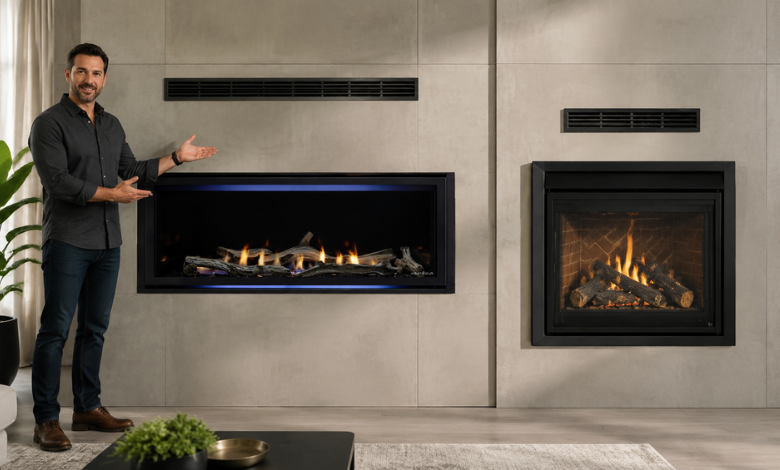
A contemporary built-in gas or electric fireplace in the main living area provides the best combination of buyer appeal and value for the majority of homes. These units are low-maintenance, energy-efficient, and easy to use, which is exactly what today's buyers want. Although the emotional appeal of wood-burning fireplaces is still strong, their audience is limited by maintenance.
If you want help matching a fireplace to your home and your goals, our team is happy to walk you through the options. Browse our selection of gas, electric, and wood-burning fireplaces, stoves, and log sets, and we will help you choose a feature that looks great and holds its value.
Bring Warmth and Value Home with Embers Living
A fireplace is one of the few upgrades that improve your daily life and your home's appeal at the same time. Whether you want an easy electric unit, an efficient gas model, or the timeless feel of wood, we can help you find the right fit. Explore our fireplaces, stoves, and log sets at Embers Living, and let's create a hearth your home will be known for.
Have questions or want expert guidance? Call us at (303) 800-5659, email sales@embersliving.com, or visit our showroom at 7705 W. 108th Ave, Unit 600, Westminster, CO 80021. We're open Monday through Friday, 9 AM to 5 PM, and Saturdays, 10 AM to 4 PM.