






Do Gas Fireplaces Need to Be Cleaned? Your Complete Maintenance Guide
Posted by Anna William on Oct 1st 2026
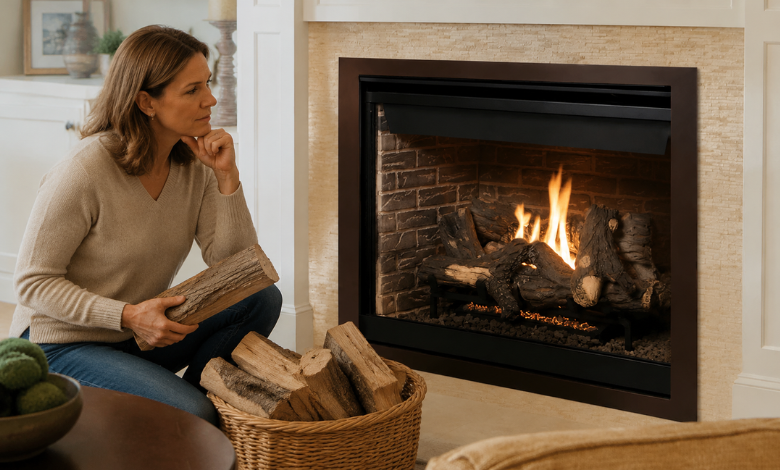
One question we hear constantly from homeowners who have recently switched from wood is: do gas fireplaces need to be cleaned? Yes, your gas fireplace does need to be cleaned, and it also needs a professional inspection once a year. Gas burns far cleaner than wood, so you won’t be shoveling out ash or scraping creosote, but dust, pet hair, carbon deposits, spider webs, and corrosion still collect inside the firebox, on the burner ports, and in the venting system.
Left alone, that buildup dulls your flames, clouds your glass, and in the worst cases, interferes with safe venting. Below, we’ll walk you through what actually gets dirty, how often to clean a gas fireplace, what you can safely handle yourself, and where a certified technician needs to take over.
Note: Gas fireplaces vary by model and venting type. Always check your owner’s manual before removing the glass, moving the log set, or cleaning any part of the burner assembly.
Table of Contents
What Actually Gets Dirty Inside a Gas Fireplace
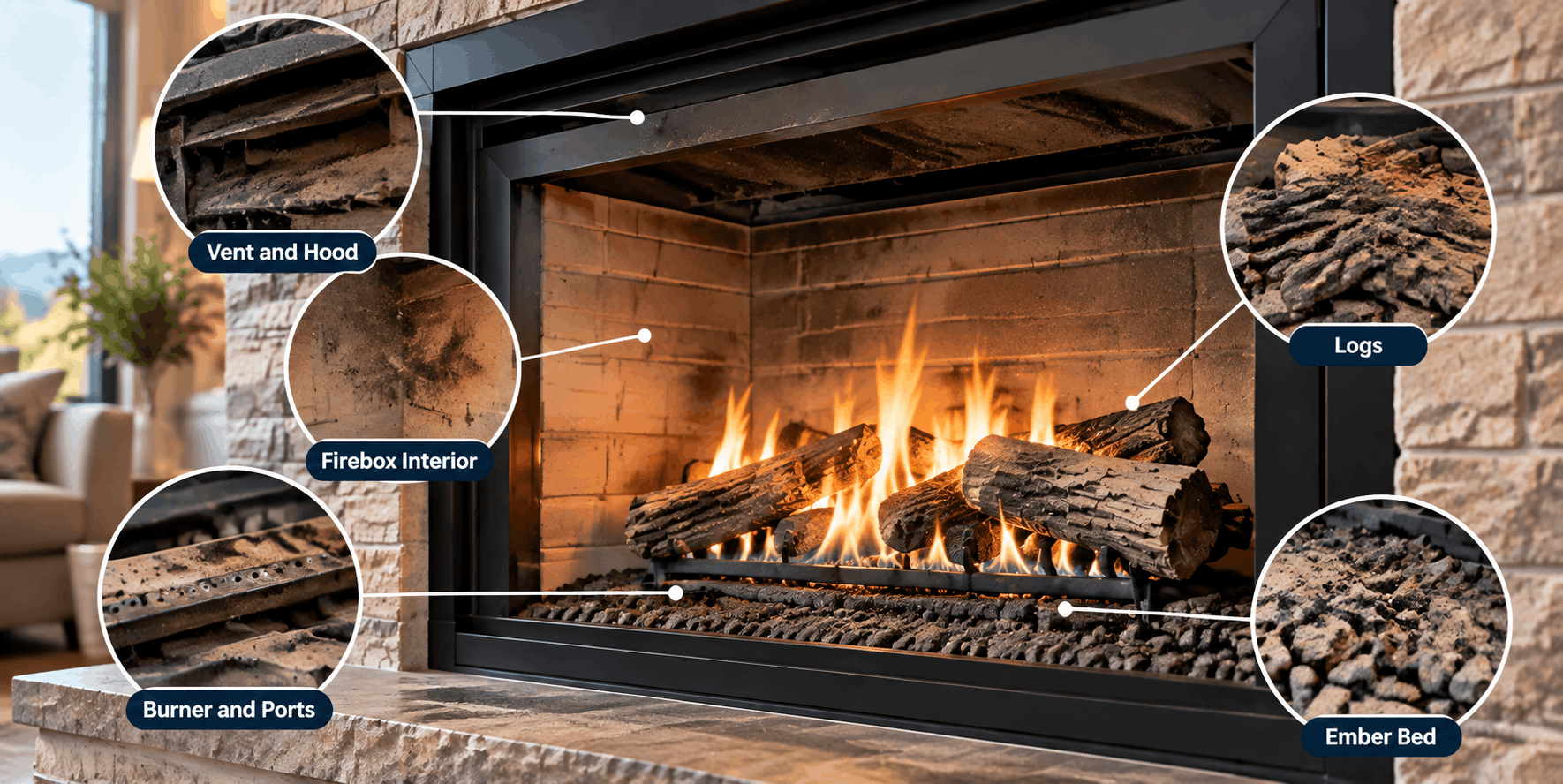
A gas appliance doesn’t produce the thick, tarry residue a wood stove does, but it isn’t self-cleaning either. Here’s what builds up over a season of use:
- Dust and household debris: Dust, lint, pet hair, and carpet fibers settle on the logs, burner, and pilot assembly, then burn off into a fine, sooty film the first time you fire it up in the fall.
- Carbon and soot deposits: Even a well-tuned burner makes a little soot. A drifting air-to-gas mixture or shifted ceramic logs cause incomplete combustion and far more black powder on log tips and glass.
- A hazy film on the glass: The sealed glass on direct-vent fireplaces develops a white or gray haze from combustion byproducts and log off-gassing. It needs a specialty cleaner, not household glass spray.
- Spider webs, nests, and insect debris: Spiders are drawn to gas lines and pilot assemblies, and their webs are a common reason a pilot light won’t stay lit.
- Corrosion and rust: Humidity, coastal salt air, and condensation inside the vent all rust the firebox floor, burner tube, and vent connections.
- Blocked vents and blowers: Blower intake screens collect dust that restricts airflow and makes the fan louder than it should be.
How Often to Clean a Gas Fireplace
There are really two schedules working together: the light cleaning you handle and the annual service a professional handles.
| Timing | Maintenance Task | Who |
|---|---|---|
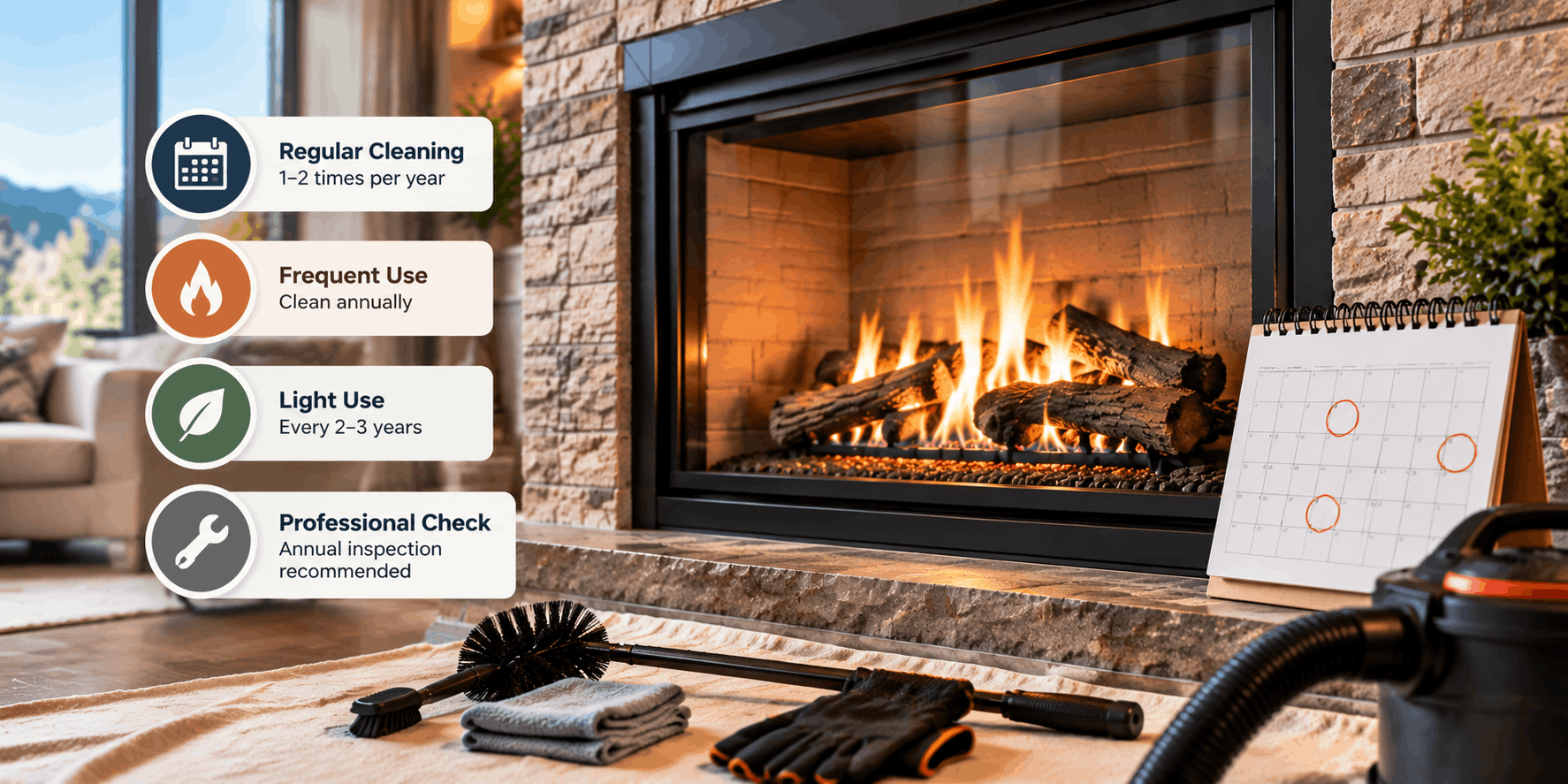
| Every 4 to 6 weeks in season | Wipe the glass, vacuum the surround, check nothing is touching the burner | You |
| 2 to 3 times per season | Vacuum the firebox, dust the logs, inspect the burner ports | You |
| Once a year | Full cleaning and safety inspection, including venting | Certified technician |
| After a year or more idle | Inspection before first use | Certified technician |
The monthly wipe-down takes about ten minutes, and it’s the single most effective habit for keeping your flames looking sharp.
The annual inspection is not optional. NFPA 211, the national standard from the National Fire Protection Association, calls for chimneys, fireplaces, and vents to be inspected at least once a year, with no exception for gas appliances or light use.
The best time to book is late summer or early fall, before the first cold snap, when technicians have open schedules. If your fireplace is a primary heat source running daily all winter, ask your technician whether a mid-season check makes sense for your model.
If your unit sits idle for a full year, still get it inspected before you use it again. Dormant fireplaces are exactly where nests, corrosion, and gas line issues go unnoticed.
Do Gas Fireplace Chimneys Need to Be Cleaned?
This is the question we hear most in our showroom, and the answer depends on your venting. There’s no creosote to remove, so the aggressive brushing a wood-burning flue needs isn’t necessary. But your venting still needs to be inspected and cleared every year, because a blocked or deteriorated vent is a carbon monoxide risk.
| Venting Type | How It Works | What to Check |
|---|---|---|
| Direct vent | Sealed pipes draw air from outside and exhaust through a wall or roof | Seals, connections, and debris at the exterior cap |
| B-vent (natural vent) | Vertical flue relies on natural draft, uses indoor air | Blockages and downdrafts |
| Insert in masonry chimney | Gas unit vents through an existing wood-burning chimney | Liner condition, sizing, and mortar damage |
| Vent-free | No chimney, exhausts directly into the room | Oxygen depletion sensor and burner cleanliness |
Direct-Vent Systems
These sealed systems exhaust horizontally through a sidewall or vertically through the roof. Leaves, snow, bird nests, and dryer lint drifting from a nearby vent are the usual culprits at the termination cap.
B-Vent (Natural Vent) Systems
Because they rely on natural draft and pull combustion air from inside your home, B-vent units are more sensitive to blockages and downdrafts. They deserve close attention every year.
Masonry Chimneys With a Gas Insert
These need the most scrutiny. Acidic condensate from gas combustion can degrade old mortar and clay tile liners. If your gas fireplace insert went into an existing wood-burning chimney, a technician should confirm the liner is intact, correctly sized, and properly connected.
Vent-Free (Ventless) Units
With no chimney, a dirty burner has nowhere to send its problems but into your living space. Follow the manufacturer’s cleaning schedule closely, keep a working carbon monoxide detector in the room, run them in shorter sessions, and never use them in a bedroom or bathroom.
Check your local code. Vent-free gas fireplace models are banned in California, restricted to propane in New Mexico, and limited by local code in a number of other cities and counties. If you’re unsure whether yours is compliant, ask us before your next season of use.
How to Clean a Gas Fireplace Safely at Home
Before you start: Turn off the gas at the shutoff valve, extinguish the pilot light if your model has a standing pilot, and let the unit cool completely for several hours.
1. Take Photos of Your Log Set
Photograph the arrangement from a few angles before you move a single log.
Manufacturers position logs for correct flame behavior, and putting them back wrong is a leading cause of excess soot.
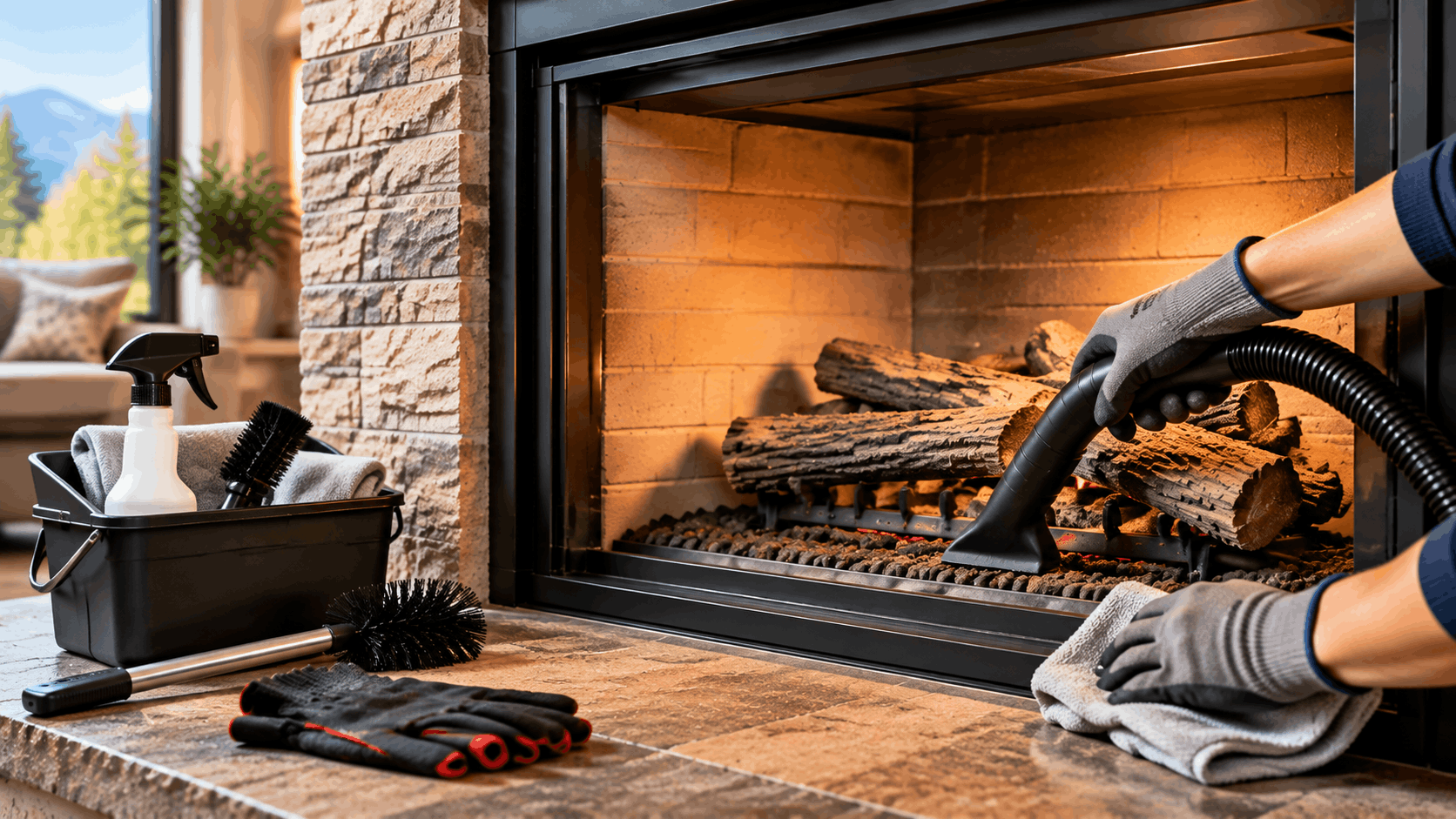
2. Vacuum the Firebox
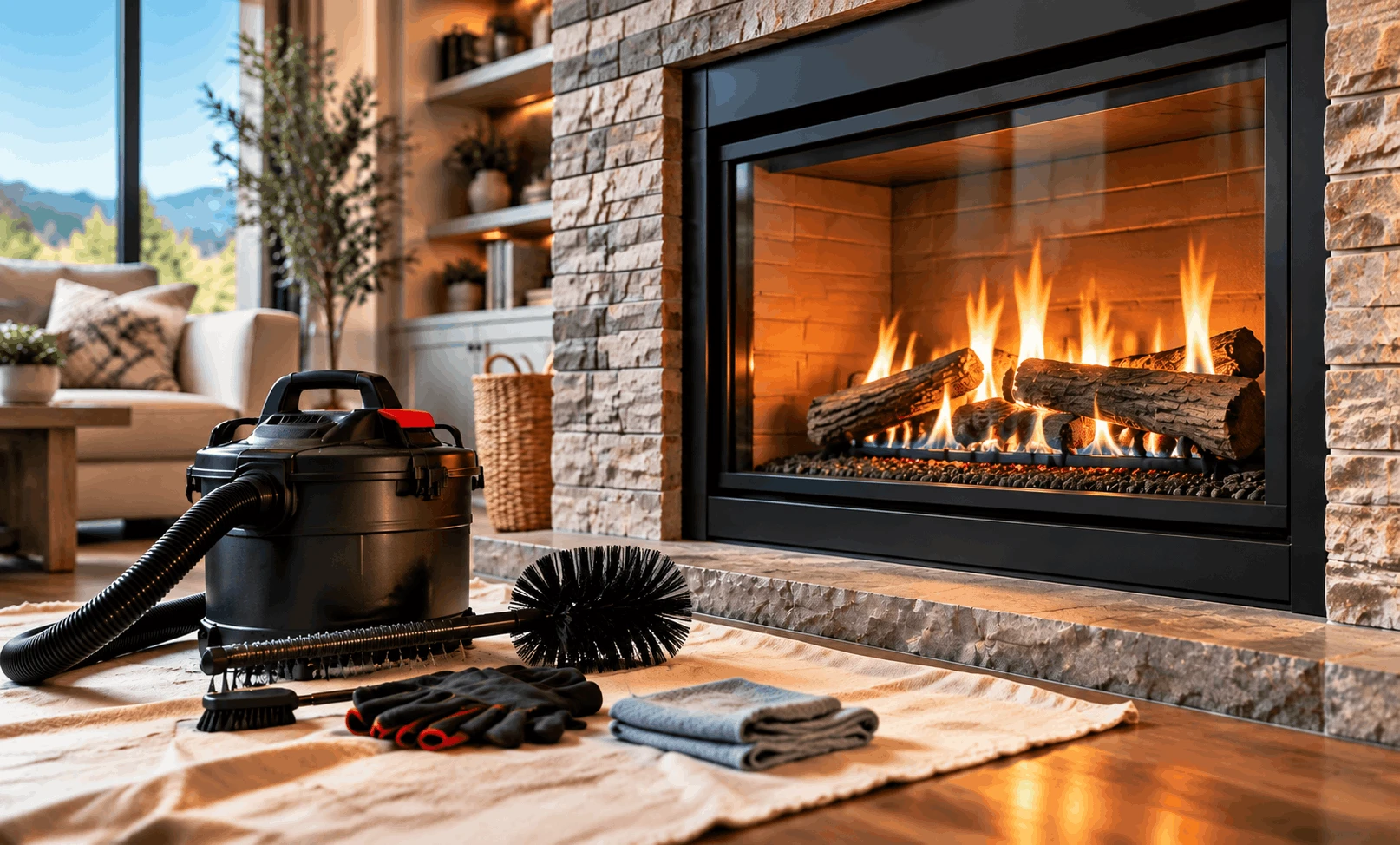
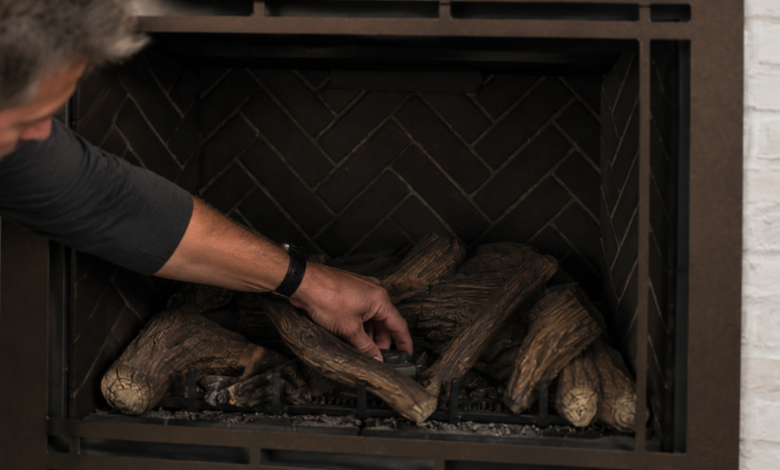
Use a soft brush attachment or a shop vac on low. Clear dust, debris, and loose soot from the floor, corners, and around the burner pan.
3. Dust the Logs Gently
Ceramic fiber logs are brittle. Use a soft paintbrush or dry cloth, and never use water, soap, or sprays.
If a log is cracked, crumbling, or badly discolored, replace it rather than clean it.
4. Clean the Burner Ports
With the gas off, brush lightly across the burner holes to dislodge dust and webs, then follow with the vacuum. Don’t poke anything into the ports.
5. Clean the Glass With the Right Product
Remove the panel only if your manual explains how. Apply a fireplace glass cleaner to a cloth rather than spraying the panel, and never clean the glass while it’s warm.
Skip the ammonia. Ammonia-based household cleaners can permanently etch the ceramic glass coating.
6. Vacuum Vents, Louvers, and Blower Screens
Restricted airflow makes your fireplace work harder and run louder.
7. Reassemble, Reopen the Gas, and Relight
Reposition the logs to match your photos, restore the gas supply, and light the unit following your manual.
Watch the first few minutes. You’ll often see blue at the base with yellow or orange tips, and many decorative log sets are tuned to burn yellow on purpose. What matters is a steady flame that looks normal for your unit and isn’t leaving fresh soot.
Leave these to a licensed technician: disconnecting gas lines, adjusting the air shutter, replacing a thermocouple or thermopile, or opening the valve assembly. Getting them wrong creates a real safety hazard.
Who Inspects Gas Fireplaces?
You want someone with credentials specific to hearth appliances, not a general handyman. Look for one of these:
- NFI Certified Gas Specialist: Credentialed by the National Fireplace Institute.
- CSIA Certified Chimney Sweep: Particularly for inserts installed in masonry chimneys.
- Licensed gas fitter or HVAC technician: With documented hearth experience.
- Factory-authorized service dealer: Matters most while your unit is under warranty.
A proper annual service call should include:
- Gas pressure and leak check
- Thermocouple or thermopile and safety shutoff testing
- Pilot assembly and burner cleaning
- Venting and termination cap inspection
- Glass gasket and seal inspection
- Blower service
- Log placement and flame pattern verification
Ask for a written report. It’s useful documentation for warranty claims and for a future home sale.
Warning Signs Your Fireplace Needs Attention Now
Smell rotten eggs or sulfur? Leave the house immediately. Don’t operate light switches or appliances, and call your gas utility from outside.
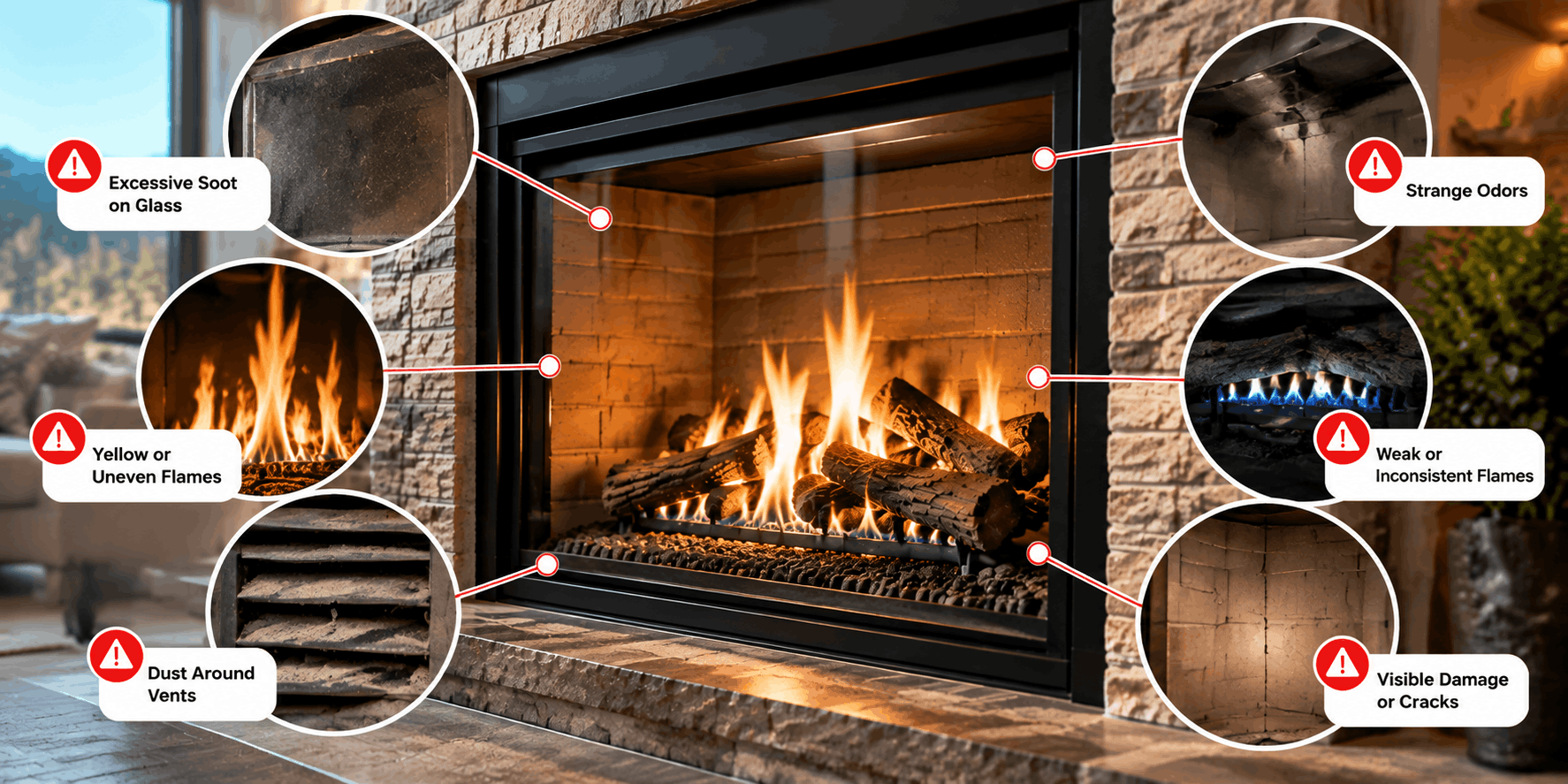
Don’t wait for your scheduled service if you notice any of these:
| Warning Sign | What It Can Mean |
|---|---|
| Soot streaks on the wall or mantel | Incomplete combustion or a venting problem |
| Lazier, taller, or yellower flames than usual | Air-to-gas mixture drift or shifted logs, especially if soot appears too |
| Pilot light keeps going out | Clogged pilot orifice or a failing thermocouple |
| Rust flakes, standing water, or condensation | Corrosion or a venting issue |
| Excess noise, popping, or delayed ignition | Dirty burner ports or ignition components |
| CO detector alarms during or after use | Stop using the fireplace and call a technician |
Consistent maintenance for your gas fireplace isn’t only about appearance. It protects your home, keeps your appliance efficient, and extends the life of components that are expensive to replace.
Frequently Asked Questions
Do gas fireplaces need to be cleaned?
Yes. Gas burns cleaner than wood, but dust, pet hair, soot, spider webs, and corrosion still build up in the firebox, burner ports, and venting. A gas fireplace needs light cleaning during the heating season and a professional inspection once a year.
How often should you clean a gas fireplace?
Wipe the glass and vacuum the surround every 4 to 6 weeks during heating season, do a deeper firebox and log clean two or three times per season, and book a professional cleaning and inspection once a year.
Do gas fireplace chimneys need to be cleaned?
They don’t need the heavy sweeping a wood chimney does, because there’s no creosote. They do need an annual inspection to check for blockages, damaged seals, loose connections, and debris at the vent cap, since a blocked vent is a carbon monoxide risk.
Can I clean my gas fireplace myself?
Yes, for routine cleaning. With the gas off and the unit cool, you can vacuum the firebox, dust the logs, brush the burner ports, and clean the glass. Gas line work, air shutter adjustments, thermocouple replacement, and valve repairs should be left to a licensed technician.
What should I use to clean gas fireplace glass?
Use a cleaner made specifically for fireplace glass, applied to a cloth rather than sprayed on the panel, and only when the glass is cool. Avoid ammonia-based household cleaners, which can permanently etch the ceramic coating.
Who inspects gas fireplaces?
Look for an NFI Certified Gas Specialist, a CSIA Certified Chimney Sweep, a licensed gas fitter or HVAC technician with hearth experience, or a factory-authorized service dealer for your brand.
Why does my gas fireplace pilot light keep going out?
Spider webs and debris clogging the pilot orifice are one of the most common causes. A worn thermocouple or thermopile can also be to blame, so have a technician take a look if cleaning doesn’t solve it.
What should I do if I smell gas near my fireplace?
Leave the house immediately without operating light switches or appliances, then call your gas utility from outside.
The Bottom Line
Your gas fireplace is low-maintenance, not no-maintenance. A few minutes of cleaning every month or so during heating season, plus one professional inspection each year, is all it takes to keep your flames bright, your glass clear, and your family safe.
If your fireplace is showing its age, running inefficiently, or costing more to repair than it’s worth, Embers Living can help you see what’s possible. We’ll give you an honest recommendation rather than a hard sell. Browse our gas fireplaces and gas fireplace inserts, or come see the units running in person at our Westminster showroom.
Ready to get your hearth ready for the season? Visit our blog section, email us at sales@embersliving.com, or call 303-800-5659. Our Embers Living team is here to help you light up your home.