









Fire Pit Maintenance: Cleaning & Care Guide
Posted by Anna William on Nov 13th 2026
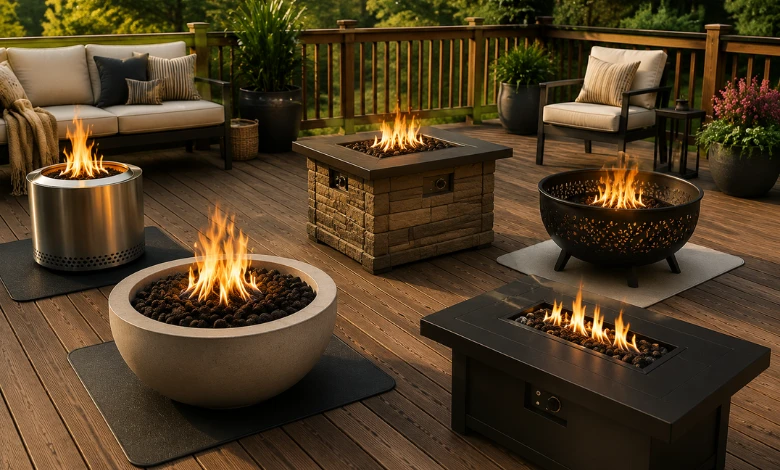
If you want to keep your outdoor space comfortable and inviting throughout the year, fire pit maintenance is an important part of protecting your investment. Proper fire pit maintenance involves removing ash and debris, cleaning surfaces, inspecting components for damage, and protecting your fire pit from moisture and harsh weather. For gas models, it also includes checking accessible burner areas, ignition components, and fuel connections according to the manufacturer's instructions. Whether you own a wood-burning, propane, or natural gas fire pit, regular care can help reduce rust, prevent avoidable repairs, and extend its usable life.
? Quick Answer: How to Maintain a Fire Pit
- Let it cool completely before cleaning, and wear protective gloves when handling ash or debris.
- Remove ash and debris after each use, and store cold ashes in a lidded metal container outdoors.
- Clean by material: use mild, manufacturer-approved cleaners and avoid abrasive pads and harsh chemicals.
- Inspect regularly for rust, cracks, loose fasteners, and damaged spark screens, hoses, or burners.
- Dry, then cover: never cover a damp fire pit, and use a properly fitted, weather-resistant cover.
In this guide, we'll walk you through practical cleaning methods, gas fire pit maintenance, seasonal care, and simple fire pit maintenance tips to help you spend less time cleaning and more time enjoying your backyard.
Table of Contents
- Why Is Regular Fire Pit Maintenance Important?
- How to Clean a Fire Pit: Step-by-Step Guide
- Wood-Burning Fire Pit Maintenance
- Gas Fire Pit Maintenance
- Fire Pit Cover and Maintenance Recommendations
- Low Maintenance Fire Pit Options
- Seasonal Fire Pit Maintenance Checklist
- How to Prepare Your Fire Pit for Winter
- Common Fire Pit Maintenance Mistakes to Avoid
- Frequently Asked Questions
- Bottom Line
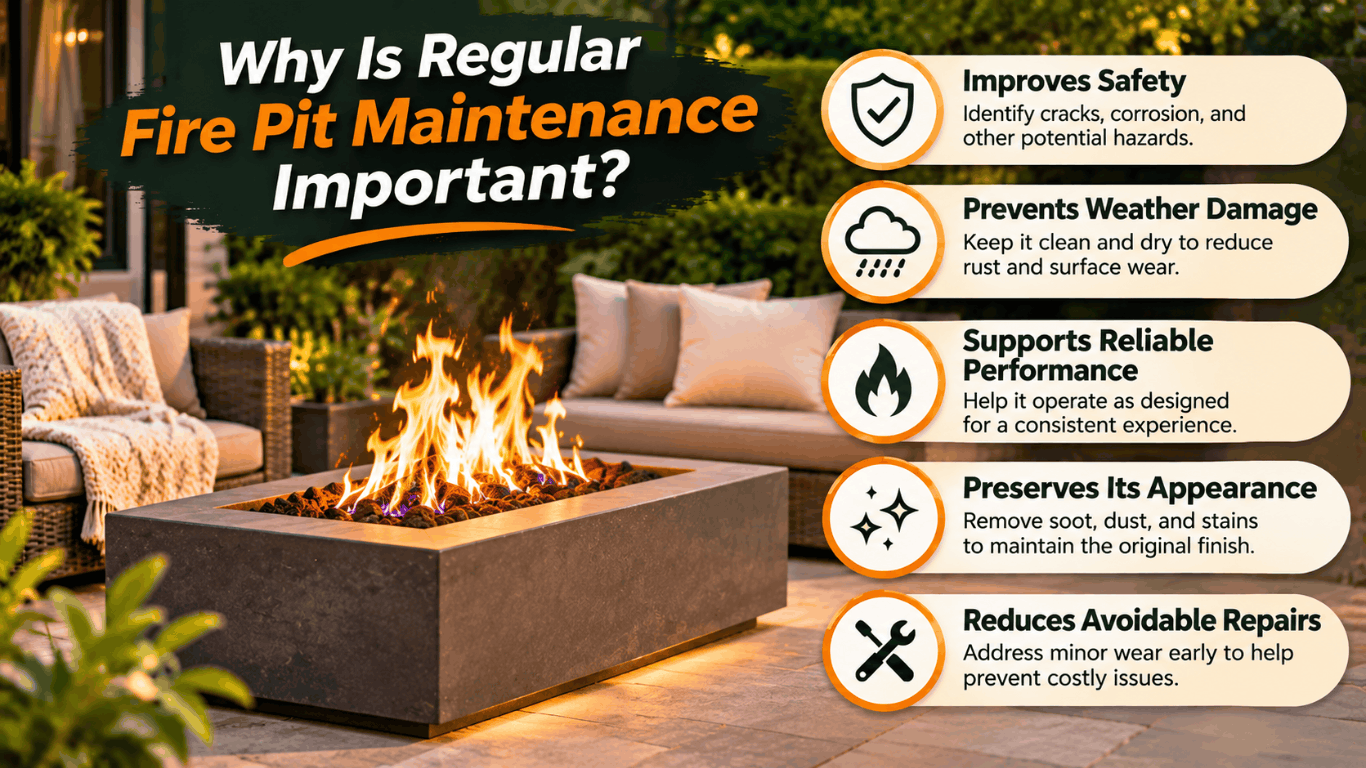
Why Is Regular Fire Pit Maintenance Important?
Your fire pit spends much of its time outdoors, where rain, dust, temperature changes, and everyday use can gradually affect its condition. Without regular cleaning, wood-burning fire pits can accumulate ash and moisture, while gas models may develop blocked burner openings or ignition problems.
Here's why maintaining your fire pit matters:
| Benefit | Why It Matters |
|---|---|
| Improves safety | Regular inspections help identify cracks, corrosion, loose components, and other potential hazards. |
| Prevents weather damage | Keeping your fire pit clean and dry helps reduce rust and surface deterioration. |
| Supports reliable performance | Properly maintained components help your fire pit operate as designed. |
| Preserves its appearance | Removing soot, dust, and stains helps maintain the original finish. |
| Reduces avoidable repairs | Addressing minor wear early can help prevent more expensive problems later. |
At Embers Living, we believe your outdoor living space should be easy to enjoy. Understanding how to care for your fire pit helps you protect both its appearance and functionality.
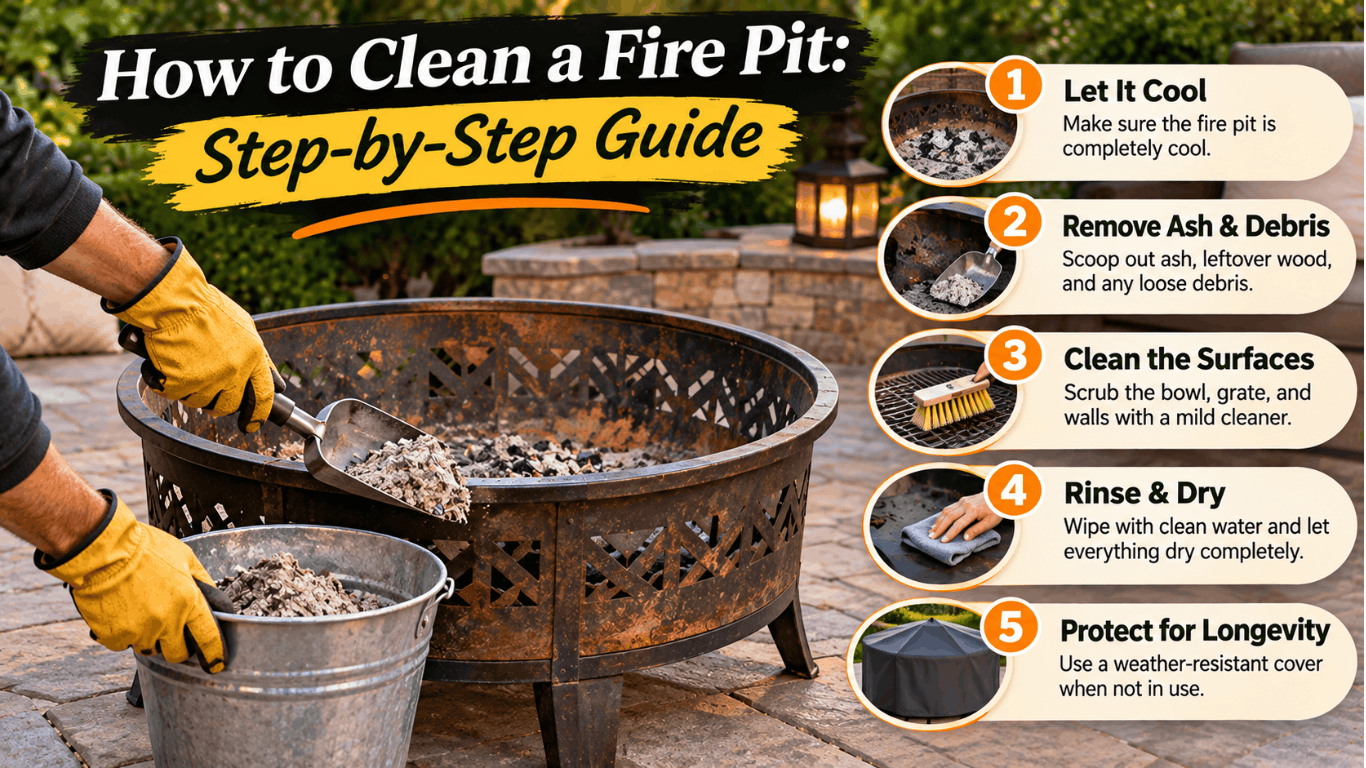
How to Clean a Fire Pit: Step-by-Step Guide
Cleaning your fire pit doesn't have to be complicated. The key is choosing the right method for your fire pit's fuel type, construction material, and manufacturer's recommendations.
Step 1: Let Your Fire Pit Cool Completely
Before cleaning your fire pit, make sure the fire is fully extinguished and the entire unit has cooled completely. If you have a wood-burning fire pit, remember that ashes and hidden embers can stay hot long after the flames disappear, so never handle or dispose of them until they are completely cold. Wear protective gloves when removing ash or debris to keep your hands safe.
For gas fire pits, turn off the burner and fuel supply according to the manufacturer's instructions before starting any cleaning. If you need to extinguish an active fire, always follow the manufacturer's guidelines and appropriate fire safety procedures.
Tip: Avoid pouring cold water onto a hot fire pit to cool it faster, as sudden temperature changes can damage certain materials.
Step 2: Remove Ash, Leaves, and Debris
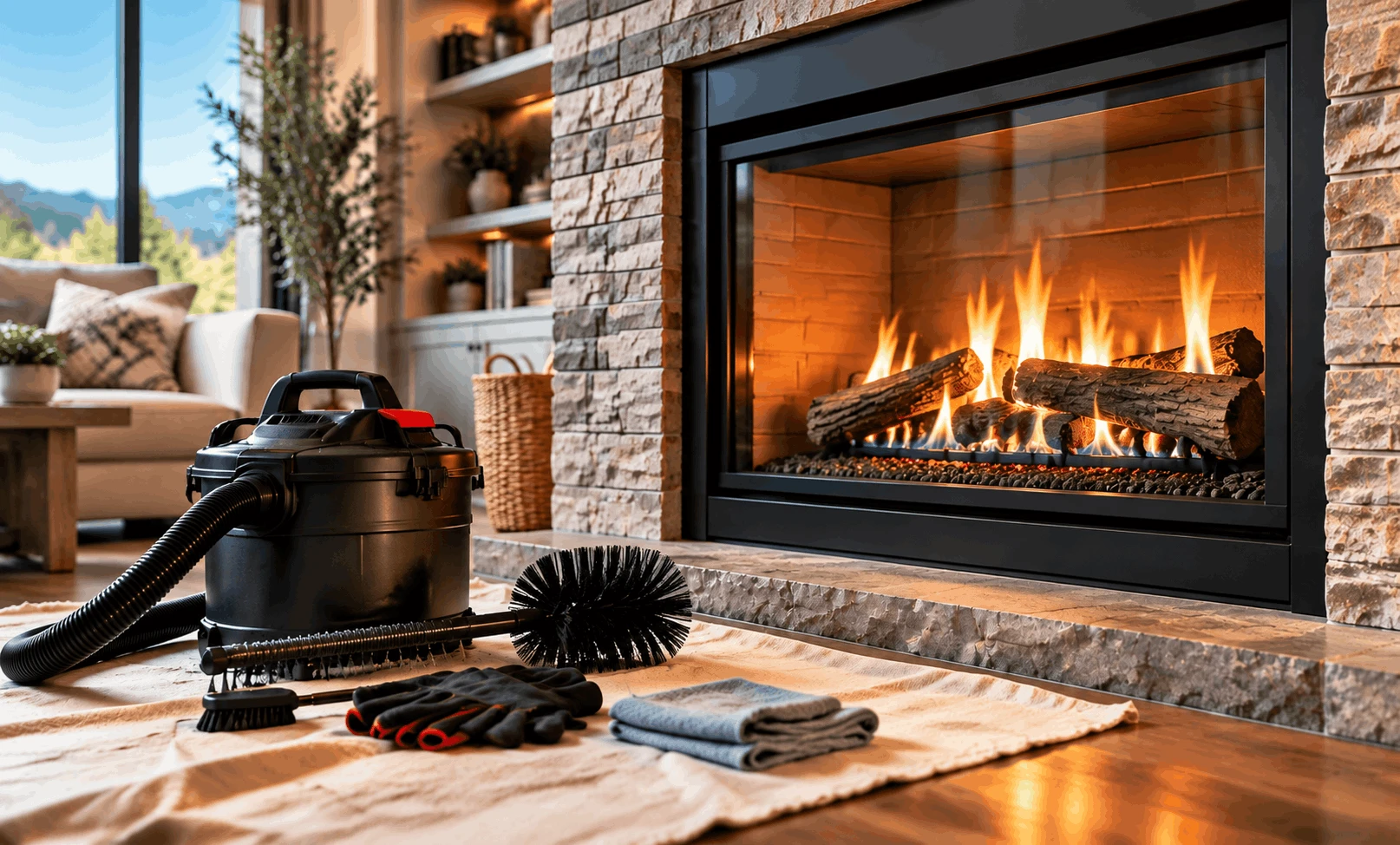
For wood-burning fire pits, use a metal ash shovel to remove completely cooled ashes and leftover wood from the fire bowl. Transfer the collected ashes into a dedicated metal container with a tight-fitting lid and keep it outdoors on a noncombustible surface, away from buildings, decks, vegetation, and other flammable materials. Before disposing of the ashes, make sure they are completely cold and follow your local waste disposal guidelines.
If you have a gas fire pit, gently remove fallen leaves, dust, and other surface debris without disturbing the burner, ignition system, or decorative media.
Safety note: Never place ashes directly into a regular trash can, as hidden embers may still pose a fire risk. Avoid using an ordinary household vacuum to collect ashes that could still contain hot embers.
Step 3: Clean the Fire Pit Surface
Different fire pit materials require different cleaning methods:
| Fire Pit Material | Recommended Cleaning Method |
|---|---|
| Steel | Use mild soapy water and a soft cloth when approved by the manufacturer. Dry thoroughly. |
| Stainless steel | Use a compatible stainless steel cleaner or mild soap. Wipe along the grain. |
| Stone and concrete | Clean with a soft brush and a compatible pH-neutral cleaner. |
| Copper | Gently wipe with a soft cloth and manufacturer-approved cleaning products. |
| Cast iron | Remove loose debris and follow the manufacturer's rust-prevention and finish-care instructions. |
Tip: Avoid abrasive pads, harsh chemicals, bleach, and strong acids unless the product manufacturer specifically approves their use. If your fire pit has a protective coating, check the owner's manual before applying cleaners or sealants.
Step 4: Inspect for Damage
Once you've cleaned your fire pit, take a few minutes to inspect its visible components for signs of wear or damage. Look closely for rust, cracks, loose fasteners, damaged spark screens, warped metal, or deterioration around the fire bowl. These issues can affect your fire pit's safety, appearance, and overall performance if left unaddressed.
If you own a gas fire pit, examine accessible hoses and exterior components for visible damage without attempting to dismantle the gas system. Pay particular attention to areas exposed to moisture or extreme temperatures, as these conditions can contribute to material deterioration over time. If you notice significant corrosion, structural damage, or a damaged burner assembly, stop using your fire pit until the problem has been properly evaluated and corrected.
Step 5: Dry and Protect Your Fire Pit
After cleaning your fire pit, make sure all surfaces are completely dry before covering or storing it. Moisture trapped around metal joints, seams, and drainage areas can encourage corrosion and gradually damage your fire pit's finish. Use a clean, soft cloth to wipe away excess moisture from accessible surfaces, and allow the remaining areas to air-dry thoroughly.
Once your fire pit is completely cool and dry, place a compatible protective cover over it according to the manufacturer's instructions. A properly fitted cover helps protect your fire pit from rain, snow, dust, fallen leaves, and other outdoor elements when it's not in use.
Wood-Burning Fire Pit Maintenance
Wood-burning fire pits deliver the traditional experience of crackling logs and glowing embers. However, they also produce ash, soot, and residue that require regular attention.
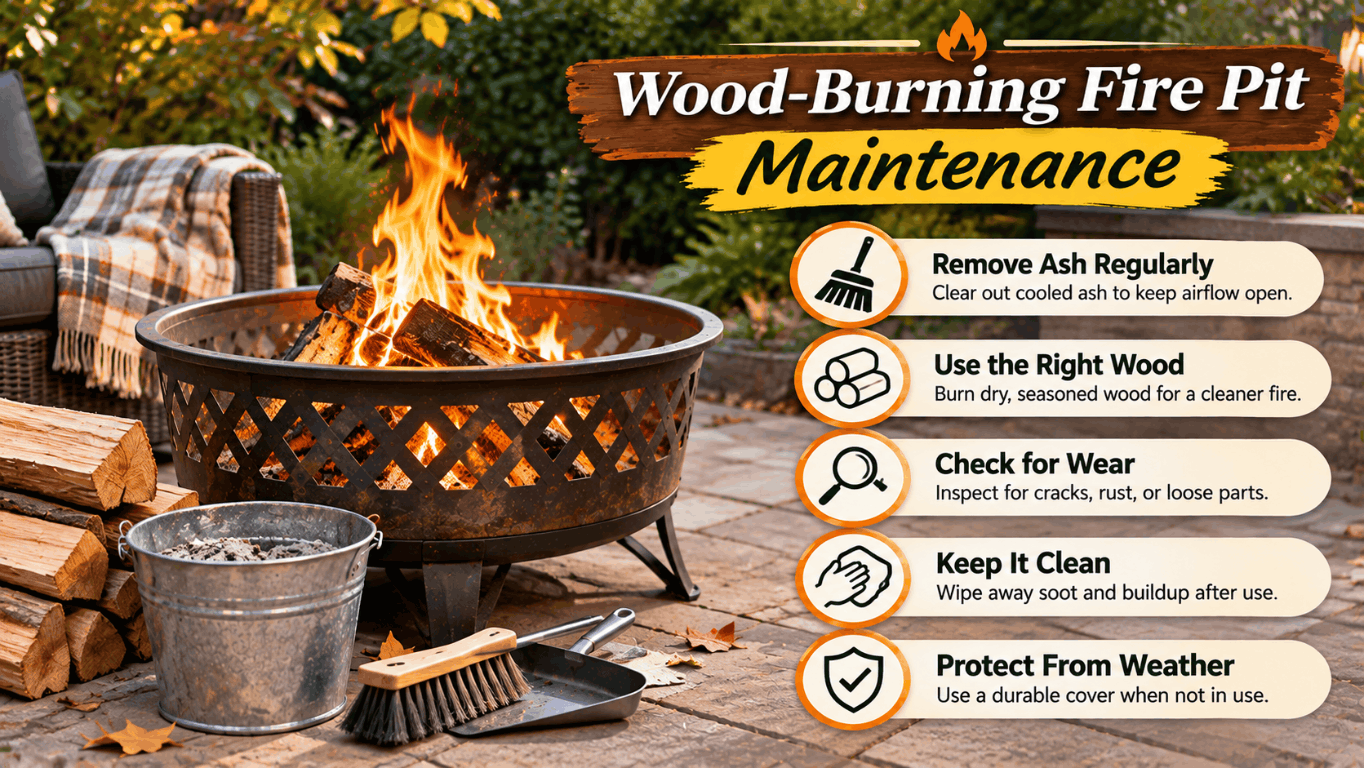
Remove Ash Buildup Regularly
When excess ash accumulates inside the fire bowl, it can trap moisture, especially if your fire pit is exposed to rain or snow, increasing the risk of rust and corrosion. After each use, allow the fire pit and its contents to cool completely before removing the ashes with a suitable metal shovel. Collect any leftover debris and dispose of the cold ashes safely in accordance with local waste guidelines.
Tip: While cleaning, inspect the bottom of your fire bowl for signs of corrosion or excessive wear. If your fire pit has manufacturer-designed drainage openings, keep them clear of ash and debris to prevent water from collecting inside.
Choose the Right Firewood
Choosing the right firewood can make a noticeable difference in how your wood-burning fire pit performs and how much cleaning it requires. For better results, use dry, seasoned, or kiln-dried firewood that is suitable for outdoor burning and approved for your fire pit. Hardwoods such as oak, maple, and hickory are popular choices because they generally burn longer than many softwoods.
| Burn This | Avoid Burning |
|---|---|
|
|
Properly seasoned wood generally produces less smoke than green wood and helps reduce unwanted residue.
Inspect the Fire Bowl and Spark Screen
Start by examining the fire bowl for visible rust, cracks, thinning metal, or warping, particularly in areas exposed to high temperatures and moisture. If your fire pit includes a spark screen, carefully check its mesh and frame for holes, corrosion, loose connections, or other damage. A properly fitted spark screen helps contain flying sparks and embers, reducing the chance of them reaching nearby surfaces. However, it does not replace the need for proper safety clearances or supervision while your fire pit is burning.
If you notice damaged screens or worn components, replace them with compatible parts recommended by the manufacturer to help keep your fire pit in safe working condition.
Gas Fire Pit Maintenance: How to Care for Burners and Connections
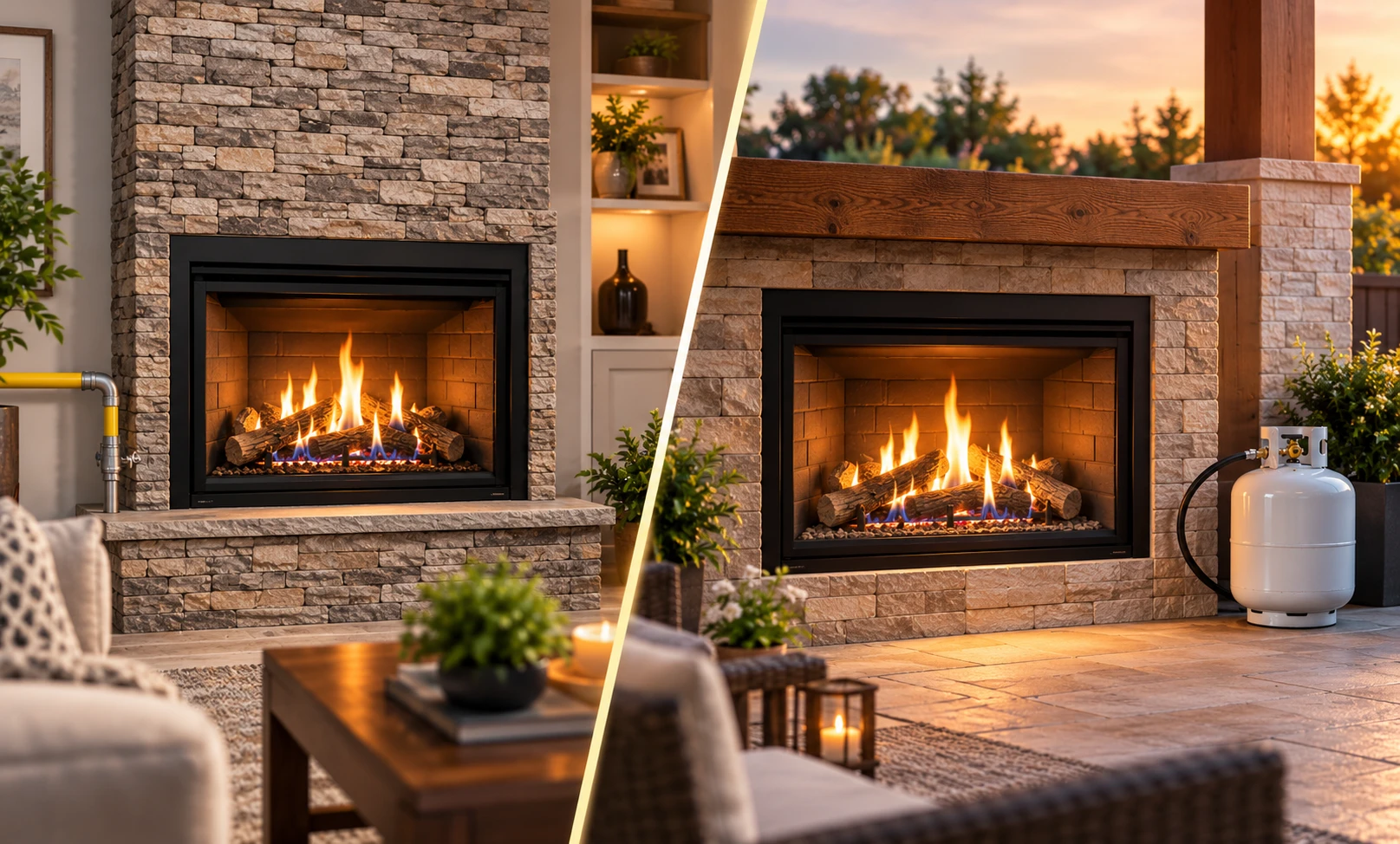
Gas fire pit maintenance is generally less demanding than maintaining a wood-burning model because propane and natural gas fire pits do not produce wood ash or leftover logs. However, your gas fire pit still needs regular cleaning, visual inspections, and proper care to support safe and reliable operation. Over time, outdoor exposure can allow dust, leaves, insects, and other debris to accumulate around the burner and ignition components, potentially affecting performance.
Keep the Burner and Ignition Components Clean
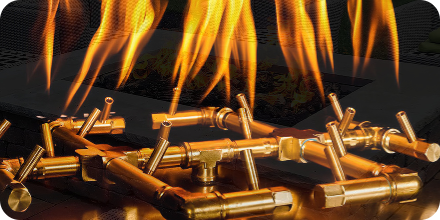
Start by inspecting accessible burner areas for accumulated dust, fallen leaves, spiderwebs, or insect nests, particularly if your fire pit has been sitting unused for several weeks or months. Insects can sometimes enter burner assemblies and interfere with gas flow, potentially causing ignition difficulties or uneven flames. When cleaning, always follow the manufacturer's instructions and avoid spraying water directly onto the burner or ignition components unless your owner's manual specifically allows it.
Never insert sharp objects into gas passages, enlarge burner openings, or attempt to modify the appliance. If your fire pit fails to ignite, produces an unusual flame pattern, or repeatedly shuts off during use, stop operating it and contact a qualified service professional for inspection and repairs.
Inspect Gas Hoses and Connections
If you own a propane fire pit, examine accessible hoses for cracks, deterioration, abrasion, or other damage. Whenever you connect or replace a propane cylinder, follow the manufacturer's instructions for checking gas connections and use an approved leak-detection solution when specified. Never use matches, lighters, or any open flame to check for gas leaks, as this can create a serious fire hazard. For natural gas fire pits, connection repairs and internal servicing should always be performed by qualified professionals.
Safety note: If you notice a gas odor, stop using your fire pit immediately, shut off the fuel supply if it is safe to do so, avoid ignition sources, move away from the area, and contact your gas supplier or emergency services as appropriate.
Clean Fire Glass and Lava Rocks
Fire glass and lava rocks add decorative appeal to your gas fire pit, but they can gradually collect dust, fallen leaves, and other outdoor debris. Before cleaning, turn off the gas supply according to the manufacturer's instructions and allow your fire pit and decorative media to cool completely. Once everything is cool, gently remove accessible debris using the cleaning method recommended for your specific model.
Avoid moving or rearranging fire glass and lava rocks in ways that could block burner openings, interfere with ignition components, or affect the intended flame pattern. If you notice cracked, damaged, or deteriorating decorative media, replace it only with materials approved by your fire pit's manufacturer.
Fire Pit Cover and Maintenance Recommendations
A properly fitted cover is one of the simplest ways to protect your fire pit when it isn't being used. The right cover helps reduce exposure to rain, snow, leaves, dirt, and other outdoor debris. When choosing one, focus on these factors:
| Factor | What to Look For |
|---|---|
| Correct fit | Choose a cover designed for your fire pit's size and shape. |
| Weather resistance | Look for materials suitable for your local climate. |
| Secure attachment | Select a cover that stays in place during windy conditions. |
| Moisture management | Follow the manufacturer's guidance to avoid trapping condensation. |
| Compatibility | Make sure the cover is approved for your fire pit and does not obstruct required ventilation. |
Before covering your fire pit, turn off the appliance, allow it to cool completely, and make sure the surfaces are dry.
Safety note: For propane models, follow the manufacturer's instructions for disconnecting and storing the cylinder. Propane cylinders must be stored outdoors in an approved, well-ventilated location, not inside your home or garage.
Low Maintenance Fire Pit Options: Which Type Is Easier to Maintain?
If you're shopping for a new fire pit, maintenance requirements can influence which model works best for your lifestyle. Here is a quick comparison of popular options:
| Fire Pit Type | Maintenance Requirements | Best Suited For |
|---|---|---|
| Wood-burning | Ash removal, soot cleaning, surface inspections | Traditional wood-fire experience |
| Propane | Burner checks, hose inspections, exterior cleaning | Flexible outdoor seating areas |
| Natural gas | Burner inspections, ignition checks, periodic servicing | Permanent backyard installations |
| Stainless steel gas | Exterior care, burner cleaning, corrosion inspection | Homeowners seeking durable materials |
| Concrete gas | Surface cleaning, finish care, burner inspections | Contemporary outdoor designs |
Propane and natural gas fire pits are generally easier to clean because you don't need to remove wood ash or store firewood. However, they still need routine inspections and appropriate servicing. Stainless steel and concrete models may also require specific care depending on their finishes and exposure to the elements.
Our recommendation: If convenience is your priority, explore our fire pits and fire tables collection at Embers Living to compare styles, materials, and fuel options.

Seasonal Fire Pit Maintenance Checklist
Your fire pit's maintenance needs can change throughout the year. A simple schedule helps you keep track of cleaning, inspections, and weather protection.
| When | Recommended Maintenance |
|---|---|
| Before each use | Check for visible damage, debris, obstructions, and safe clearances. |
| After use | Allow the unit to cool and remove ash or debris as appropriate. |
| During frequent use | Periodically inspect the fire bowl, finishes, spark screen, and accessible gas components. |
| Annually or as specified | Perform recommended deep cleaning and arrange professional servicing when required. |
| Before long-term storage | Clean, dry, shut down, and protect the fire pit according to the manufacturer's instructions. |
Tip: For wood-burning fire pits, annual deep cleaning is a useful general starting point, and more frequent cleaning may be appropriate for year-round use. Always follow the schedule in your owner's manual if it differs from general recommendations.
How to Prepare Your Fire Pit for Winter
Cold weather, snow, and moisture can affect your fire pit, especially if it remains outdoors for several months without use. Before winter arrives, take a few preventive steps:
- Clear it out. Remove cold ash, leaves, and other debris, then clean the exterior using products approved for its material.
- Inspect it. Check the fire bowl, fasteners, and visible components for damage.
- Shut down gas models. Turn off the fuel supply and follow the manufacturer's seasonal shutdown and storage instructions.
- Dry, then cover. Allow everything to dry completely before installing a compatible outdoor cover.
Tip: If your fire pit has electronic ignition components, check whether the manufacturer recommends additional winter storage precautions.

Common Fire Pit Maintenance Mistakes to Avoid
Even routine cleaning can cause problems if you use the wrong products or overlook important safety precautions.
| Mistake | What to Do Instead |
|---|---|
| Using harsh cleaning chemicals | Harsh chemicals, abrasive cleaners, and strong acids can damage your fire pit's finish and protective coatings. Always use cleaning products approved by the manufacturer, and check your owner's manual before applying any cleaner. |
| Ignoring rust or structural cracks | Inspect your fire pit regularly for corrosion, weakened supports, or structural damage. If you notice serious damage, stop using it until the problem has been properly evaluated and repaired. |
| Covering a damp fire pit | Covering your fire pit while it's damp can trap moisture and lead to rust. Wipe away excess water and let it dry completely, then use a compatible protective cover once it's cool and dry. |
| Using the wrong fuel | Always follow the manufacturer's fuel recommendations. Avoid burning garbage, painted wood, or treated lumber in wood-burning models. Never convert a propane fire pit to natural gas, or vice versa, without manufacturer approval and professional installation. |
| Ignoring safety clearances | Place your fire pit on a manufacturer-approved surface, away from flammable furniture, plants, structures, and overhead hazards. Never operate an outdoor gas fire pit inside a garage or enclosed space, keep children and pets at a safe distance, and never leave a burning fire pit unattended. |
Frequently Asked Questions About Fire Pit Maintenance
How often should you clean a fire pit?
You should clean your fire pit after each use or as needed, depending on its fuel type. Remove completely cooled ashes from wood-burning models, check gas fire pits for debris before use, and follow the manufacturer's recommended deep-cleaning schedule.
Can you leave a fire pit outside all year?
Yes, you can leave many outdoor-rated fire pits outside year-round if they're designed for outdoor exposure. Use a compatible weather-resistant cover, keep your fire pit dry, and follow the manufacturer's winter storage instructions.
How do you prevent a fire pit from rusting?
You can prevent rust by keeping your fire pit clean and dry, removing ash buildup, and using a compatible protective cover. Regularly inspect its surface for corrosion and maintain protective coatings according to the manufacturer's instructions.
Do gas fire pits need annual maintenance?
Yes, many gas fire pits benefit from annual maintenance to support safe and reliable operation. Inspect accessible burners, hoses, and ignition components regularly, and arrange professional servicing according to the manufacturer's recommendations.
What is the easiest fire pit to maintain?
Propane and natural gas fire pits are generally the easiest to maintain because they don't produce wood ash. They require less routine cleanup than wood-burning models, although regular burner inspections and occasional servicing are still necessary.
Bottom Line: Keep Your Fire Pit Ready for Every Season
Fire pit maintenance doesn't have to be time-consuming. Simple habits like cleaning regularly, checking for damage, using the right fuel, and protecting your fire pit from harsh weather can make a meaningful difference in its condition and longevity. Whether you enjoy the traditional charm of a wood-burning fire pit or prefer the convenience of a gas model, following the manufacturer's care instructions helps keep your outdoor space ready for gatherings throughout the year.
Thinking about upgrading your backyard with a new fire pit? At Embers Living, we offer a selection of fire pits and fire tables to complement different outdoor spaces and preferences. Explore our full collection at blazingembers.com.
Have questions about caring for your fire pit or choosing the right model? Talk to our team. Email us at sales@embersliving.com, call (303) 800-5659, connect with us through live chat, or contact us online. You can also visit our showroom at 7705 W. 108th Ave, Unit 600, Westminster, CO 80021. Our Embers Living team will help you find the right fire pit for your outdoor space.