



Do Electric Fireplaces Use a Lot of Electricity?
Posted by Anna William on Apr 15th 2026
The Honest Answer Every Homeowner Deserves
One of the first questions people ask before buying an electric fireplace is: Do electric fireplaces use a lot of electricity? It's a fair question, and the answer is more reassuring than you might expect. Compared to traditional heating systems and even some common household appliances, electric fireplaces are surprisingly reasonable on your power bill. At Embers Living, we want you to feel confident about your purchase, so let's break down exactly how these units work, how much electricity they actually use, and what you can expect to pay when you run one in your home.
How Do Electric Fireplaces Operate?
Electric fireplaces are plug-and-play heating units that run entirely on electricity. They don't need a chimney, venting system, or fuel supply like gas or wood-burning fireplaces do. You just plug them into a regular outlet in your home, and they're good to go.
Most electric fireplaces have two separate functions that can be used together or on their own. The first is the heating element, which warms the room. The second is the flame effect display, which creates the visual ambiance of a real fire. You can enjoy the cozy look of a fireplace all year long without having to pay more for electricity because you can run the flame effect without the heat.
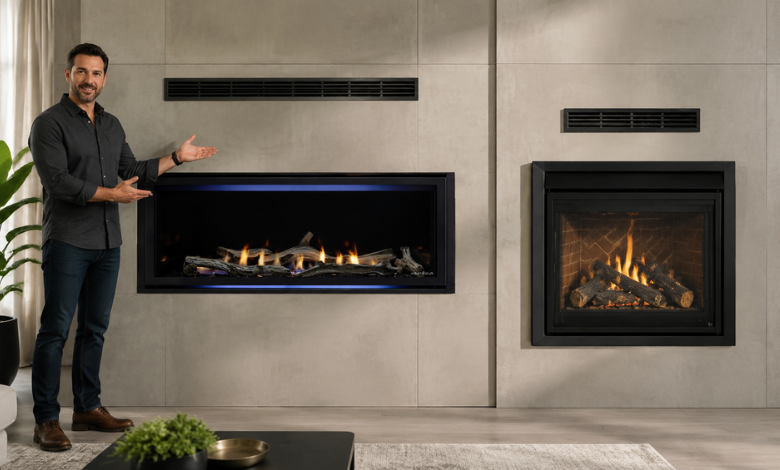
There are many different styles of electric fireplaces, such as wall-mounted units, built-in inserts, freestanding stoves, mantel packages, and TV console designs. Regardless of the style, the core operating system works the same way.
How Do Electric Fireplaces Generate Heat?
The heating function in an electric fireplace works through one of two common methods: a traditional coil heating element or an infrared quartz heating system.
Coil heating elements work similarly to a space heater. Electricity passes through a metal coil, which heats up and radiates warmth. A built-in fan then pushes that warm air out into the room. This type of heating warms the air in the space relatively quickly and works well in smaller to medium-sized rooms.
Infrared quartz heating takes a different approach. Instead of heating the air, it emits infrared light waves that warm people and objects directly in the room, much like natural sunlight warms your skin. Many homeowners find that infrared heat feels more natural and comfortable, and it has the added benefit of not drying out the air in your home the way traditional forced-air heating can.
Both ways work well to turn electricity into heat. In fact, electric fireplaces convert nearly 100% of the electricity they consume into usable heat, which is one of the reasons they stack up so well against other heating options.
How Do Electric Fireplaces Create the Flame Effect?
The flame display in an electric fireplace is all about smart engineering and visual design. There's no actual fire involved, which is one of the biggest safety advantages of these units.
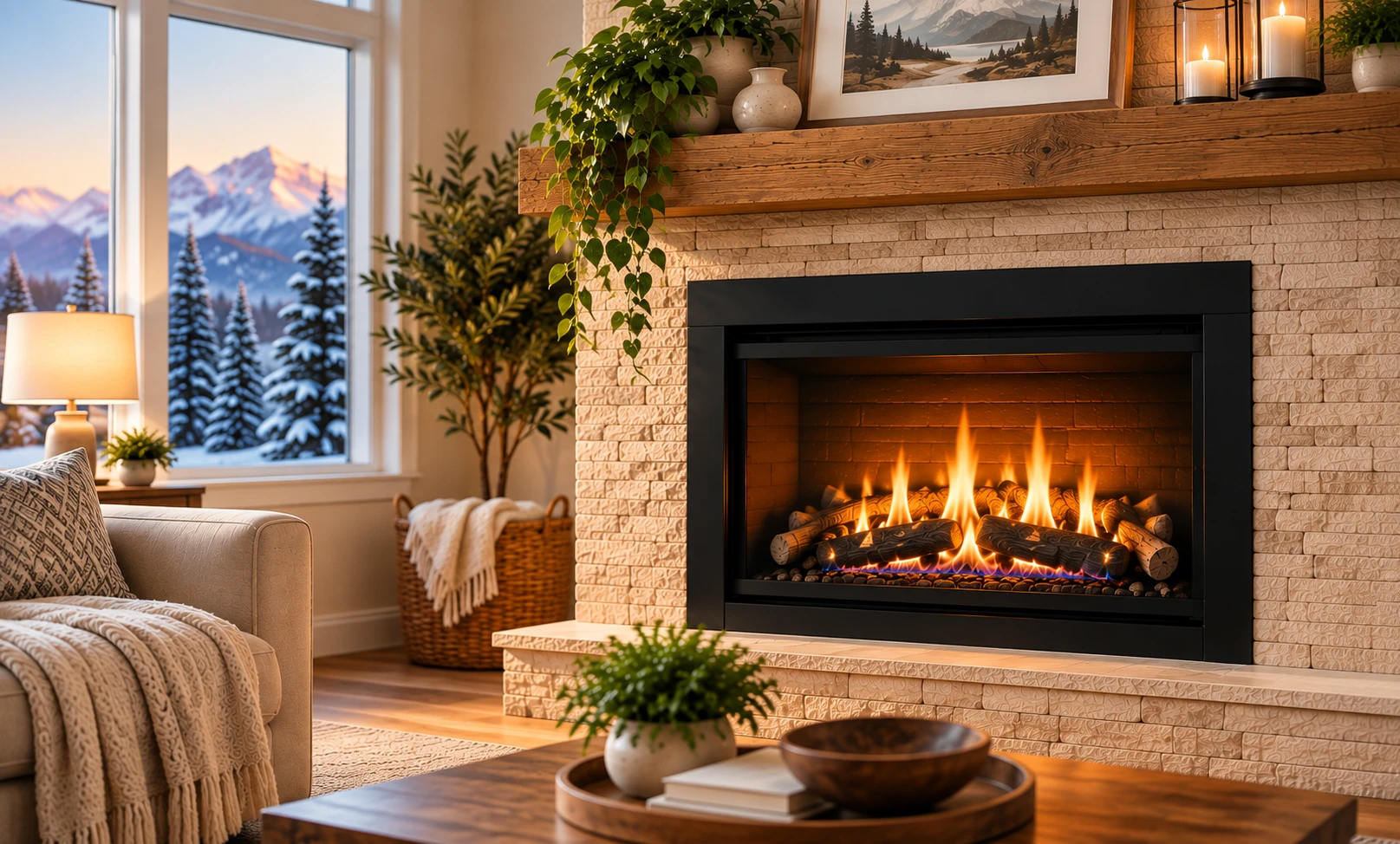
Most electric fireplaces create their flame effects using LED lighting systems combined with rotating mirrors, refracted light, or holographic technology. The result is a realistic-looking flame that flickers and dances in a way that closely mimics a real wood or gas fire.
Newer models have taken flame technology to an impressive level. Some units offer adjustable flame color settings, allowing you to switch between traditional orange and yellow tones, cool blues, or even multi-color displays depending on your mood or decor. In many modern units, you can also change the speed and brightness of the flame.
Since the flame effect is powered entirely by LED lighting, it uses very little electricity on its own. If you run just the flame display without the heat, your electricity consumption drops significantly, making it a very low-cost way to add ambiance to your space.
Do Electric Fireplaces Use a Lot of Energy?
The short answer is no, not compared to many other heating options. Does an electric fireplace use a lot of electricity? Only if you're running it on high heat for extended periods, and even then, the numbers are quite manageable.
The majority of conventional electric fireplaces run at either 1,500 watts on the high heat setting or 750 watts on the low heat setting. To put that in perspective, a typical central heating system or electric furnace can consume anywhere from 10,000 to 15,000 watts when running. A small portion of that is used by an electric fireplace.
When you use an electric fireplace to supplement your central heating in the rooms you occupy most, you can actually lower your overall energy costs. Instead of heating your entire home to a high temperature, you can keep the thermostat lower and use the electric fireplace to add warmth right where you need it. This approach, often called zone heating, is one of the most practical ways to reduce your monthly utility bills.
Important Elements Influencing Electric Fireplace Energy Use
Not every electric fireplace uses energy the same way. Several factors influence how much power your unit will draw:
Wattage rating: Higher-wattage units consume more electricity. Most residential models max out at 1,500 watts, but it's worth checking the specs of any unit you're considering.
Heat setting: Running your fireplace on the low setting (typically 750 watts) uses half the electricity of the high setting. If you only need a little extra warmth, the low setting is a smart choice.
Flame effect only mode: When you run the flame display without heat, the unit uses only the power needed for the LED lights, which is a fraction of its full wattage. This is great for the warmer months when you want the atmosphere but not the heat.
Room size and insulation: A well-insulated room retains heat better, meaning your fireplace won't need to run as long or as hard to maintain a comfortable temperature. Larger or poorly insulated rooms will require more run time.
Thermostat control: Many electric fireplaces come with a built-in thermostat. The unit automatically lowers its output or turns off completely when the room reaches the temperature you set. This feature alone can make a significant difference in energy consumption over time.
Usage duration: How long you run your fireplace each day has a direct impact on your electricity use. Running it for two hours is very different from running it for eight hours.
How Electric Fireplaces Use Energy Compared to Other Household Appliances
To give you a better sense of where electric fireplaces fall on the energy spectrum, here's how they compare to some common household items:
A standard electric fireplace running at 1,500 watts uses the same amount of electricity as a hair dryer on high, a portable space heater, or a mid-size window air conditioning unit. It uses more than a refrigerator (which typically runs around 100 to 400 watts) but far less than an electric clothes dryer (which can pull 5,000 watts or more) or a central air conditioning system.
An electric fireplace is much more efficient than a traditional wood-burning fireplace. Most open wood-burning fireplaces actually pull warm air out of your home through the chimney, which means they use more energy than they give off. An electric fireplace keeps all of its generated heat in the room.
Compared to a gas fireplace, the cost comparison depends heavily on local utility rates for electricity versus natural gas. In many parts of the country, natural gas is cheaper per BTU of heat produced, but electric fireplaces have zero installation costs for venting and no ongoing maintenance expenses, which balances the equation over time.
How Much Power Does An Electric Fireplace Really Use?
How much electricity does an electric fireplace use over the course of a day, a month, or a year? Let's walk through the math in simple terms.
A 1,500-watt electric fireplace uses 1.5 kilowatt-hours (kWh) of electricity when it is on for one hour at the national average electricity rate of roughly $0.13 per kWh (rates vary by state, so check your local rate), which comes out to about $0.20 per hour of operation on the high heat setting.
On the low heat setting at 750 watts, you're looking at 0.75 kWh per hour, or about $0.10 per hour.
If you run your electric fireplace for four hours a day on high heat, that's approximately $0.80 per day, $24 per month, or around $288 per year for daily use throughout a full year. If you only use it during the cooler months (let's say six months), you're looking at closer to $144 annually on the high setting.
Running just the flame effect with no heat uses even less. LED-powered flame displays typically consume between 15 and 50 watts, which means running the ambiance display for four hours a day would cost only pennies.
These numbers make it clear that electric fireplaces are far from being energy hogs. They're a practical heating option when used thoughtfully.
How Much Does It Cost to Use an Electric Fireplace?
Are electric fireplaces expensive to run? Based on the numbers above, most homeowners would say no. At around $0.20 per hour on the highest setting, an electric fireplace is significantly cheaper to operate than running your central heating system for the same period.
The actual cost for you will depend on a few variables:
Your local electricity rate: Rates vary widely across the U.S. States like Louisiana and Oklahoma tend to have lower rates, while Hawaii and California tend to be higher. Check your latest electric bill to find your exact rate per kWh.
How often you use it: Casual use, a few hours in the evenings, will cost very little. Running it all day as a primary heat source will add more to your bill.
The heat setting you choose: Staying on the low setting whenever possible keeps costs down without sacrificing comfort in most rooms.
Whether you use zone heating: If your electric fireplace replaces some of your central heating usage, your overall energy bill may actually go down, even with the added fireplace electricity cost.
Most homeowners pay between $15 and $40 a month to run an electric fireplace, depending on how often they use it and the cost of electricity in their area. That's a very manageable expense for the comfort and ambiance it delivers.
Factors That Impact the Operating Costs of Electric Fireplaces
Beyond wattage and usage, a few additional factors play into your overall operating costs:
Unit quality and efficiency: Higher-quality electric fireplaces often have better thermostats, more precise controls, and more efficient heating elements, all of which can reduce waste and lower operating costs over time.
Programmable timers: Some units allow you to set a timer so the fireplace runs only during specific hours. This prevents the unit from running longer than necessary and helps you manage costs without thinking about it.
Smart home integration and remote controls: Many new electric fireplaces come with remote controls or can be connected to smart home systems. Being able to adjust settings from your couch or even from your phone makes it easy to turn down the heat or switch off the unit when you don't need it.
Room layout: Placing your electric fireplace in a room that's well-suited to its size helps it heat more efficiently. Trying to heat a very large open space with a single fireplace will push the unit harder and run up costs.
How Much Heat Does an Electric Fireplace Give Off?
Most standard electric fireplaces are rated to produce up to 5,000 BTUs (British Thermal Units) of heat per hour on the high setting. As a general rule of thumb, 5,000 BTUs is sufficient to heat a room of approximately 400 square feet, though that can vary based on ceiling height, insulation, and outdoor temperatures.
For larger rooms or open floor plans, one electric fireplace may not be enough to fully heat the space on its own. In those cases, the fireplace works best as a supplement to your main heating system rather than a standalone heat source.
Some higher-end models or commercial-grade units offer more heating output, so if you're looking to heat a larger area, it's worth checking the BTU rating on any unit you're considering. The Embers Living team can help you find the right fit for your space.
Do Electric Fireplaces Utilize Less Energy?
The answer is yes, and here's why: electric fireplaces convert virtually 100% of the electricity they use into heat. There's no energy lost through a chimney, no venting required, and no combustion byproducts. Every watt of electricity you put in comes back as warmth in your room.
Are electric fireplaces energy efficient compared to gas or wood? That comparison is a bit more nuanced. Gas fireplaces, particularly high-efficiency direct vent models, can heat larger spaces at a lower cost per BTU in areas where natural gas is cheap. Despite their romantic appeal, wood-burning fireplaces are among the least efficient heating options because a large amount of the heat escapes through the flue.
Electric fireplaces shine brightest in zone heating scenarios, where efficiency really counts. By heating the rooms you're actually using rather than the whole house, you're making smarter use of your energy dollars. That's where electric fireplaces genuinely outperform central heating in terms of practical efficiency.
Another efficiency advantage worth noting is that electric fireplaces require no professional installation, no gas lines, and no annual servicing. The lower cost of ownership over time adds to their overall value proposition.
Ways to Save Energy When you use an electric fireplace
Getting the most out of your electric fireplace without running up your electricity bill is easier than you might think. Here are some practical tips:
Use the thermostat feature: If your unit has a built-in thermostat, set it to your desired temperature and let it cycle on and off automatically. This prevents the unit from running at full power all the time.
Start with the low heat setting: In many situations, the 750-watt low setting is plenty to take the chill off a room. Try it first before defaulting to the high setting.
Run flame only mode in warmer weather: When you want the cozy feel of a fireplace without adding heat, switch to the flame effect only mode. It uses minimal electricity and still transforms the feel of your room.
Keep interior doors closed: Closing off the room you're heating allows the electric fireplace to work less hard and maintain temperature with less effort.
Pair with a programmable timer: Set your fireplace to come on shortly before you get home and turn off after you typically go to bed. Avoid running it overnight or while you're away.
Lower your central thermostat: When you're using your electric fireplace in the main room you occupy, drop your central thermostat by a few degrees. The savings on your central heating can offset the cost of running the fireplace.
Choose the right unit for your room size: A fireplace that's too small for your space will run constantly trying to keep up. Matching the unit's heating capacity to your room size means it can do its job without overworking.
Where Can I Buy an Electric Fireplace?
If you're ready to add an electric fireplace to your home, Embers Living is your go-to source for a hand-picked collection of high-quality options. We carry a wide range of electric fireplaces to suit every style, space, and budget, from sleek wall-mounted units and modern built-in inserts to classic mantel packages and charming freestanding stoves.
Every product in our lineup is selected with quality and real-world performance in mind. We stock units from trusted brands that we stand behind, and our team knows these products inside and out, so we can help you make a confident choice.
Whether you're outfitting a bedroom, a living room, a finished basement, or an office, we have electric fireplace options that will fit the space beautifully and keep your energy costs in check. We also carry models with the latest flame technology, smart controls, and multiple heat settings so you get exactly the experience you're looking for.
Shopping with us means you're not sorting through endless options on a generic marketplace. You're working with a team that specializes in fireplaces and home hearth products, and we're genuinely invested in helping you find the right fit.
Browse our electric fireplace collection online, or reach out to our team directly. We are always pleased to respond to inquiries, offer suggestions, and assist you in making the most of your purchase.
Are you interested in learning more about electric fireplaces and their power consumption? You can reach us online, by phone at (303) 800-5659, or by email at sales@embersliving.com to talk to one of our knowledgeable customer service representatives.