






Are Ventless Fireplaces Safe?
Posted by Anna William on Apr 24th 2026
If you are considering adding a fireplace to your home, one of the first questions you are likely to ask is: Are ventless fireplaces safe? It's a good question, and the answer will depend on a number of factors, including how you use the device and whether or not it was installed properly. Ventless fireplaces, also called vent-free fireplaces, have grown in popularity over the years because they offer a convenient, cost-effective way to add warmth and ambiance to a room without the need for a chimney or flue. That said, understanding the basics of how they function and what precautions to take can make all the difference in whether your experience is safe and enjoyable.
Many homeowners are drawn to these units because of their flexibility. They can be installed in most rooms, which makes them a good choice for older homes or places where a regular fireplace isn't possible. However, like any heating appliance, they come with specific requirements that you need to follow to get the most out of them safely.
How Ventless Fireplaces Work
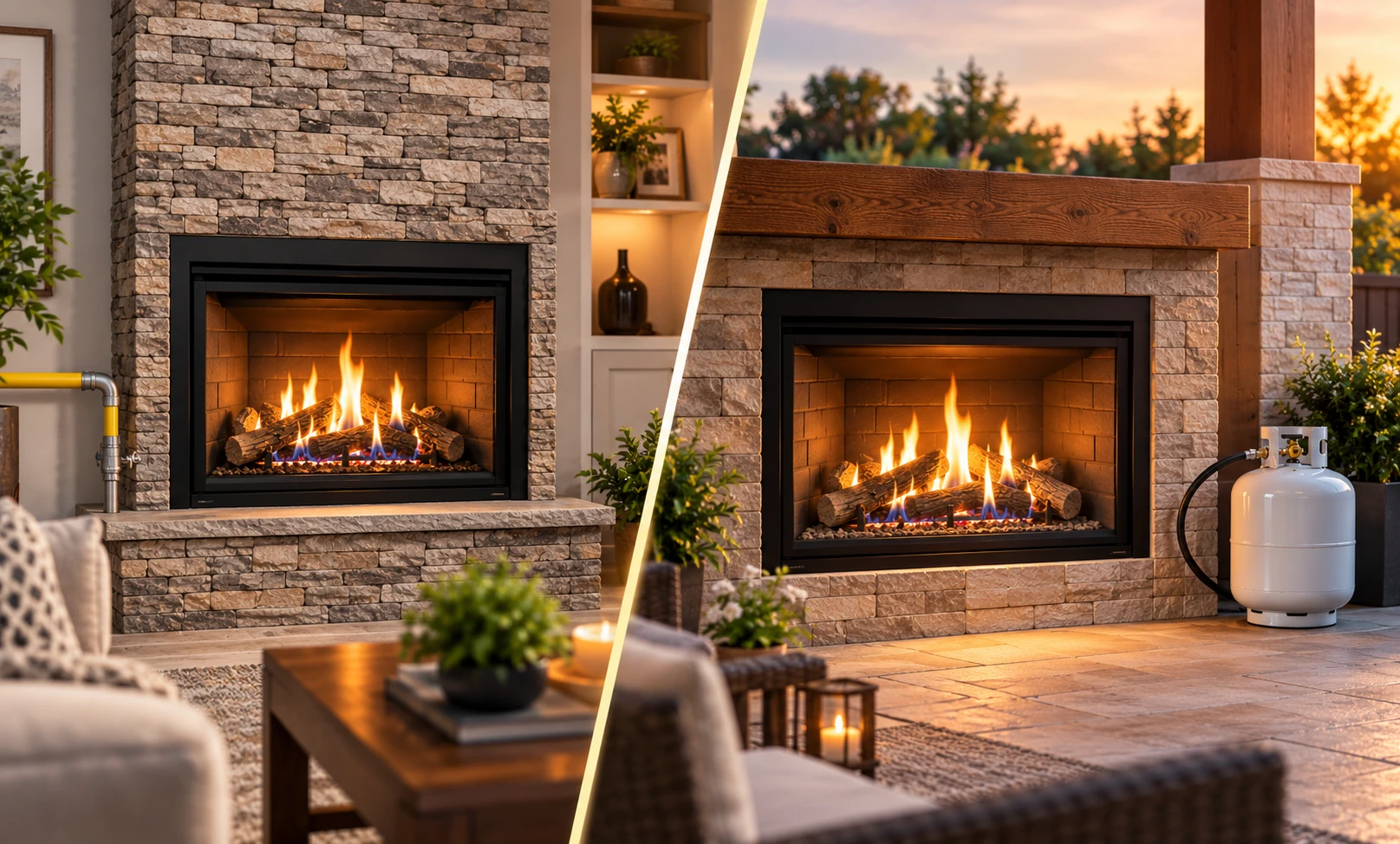
Understanding how a ventless fireplace works is key to using it responsibly. Unlike traditional wood-burning or vented gas fireplaces, a ventless model is designed to burn fuel, typically natural gas or liquid propane, at a very high efficiency rate. Because of this high-efficiency combustion, the unit does not need a vent or chimney to expel exhaust. Instead, the byproducts of combustion, including carbon dioxide, water vapor, and nitrogen dioxide, are released directly into the room.
The oxygen depletion sensor (ODS), an integrated safety feature found in most modern units, automatically shuts off the fireplace if the room's oxygen level drops below a safe threshold. This feature plays a significant role in making vent-free fireplaces safer for indoor use. However, the sensor alone is not a substitute for proper ventilation practices.
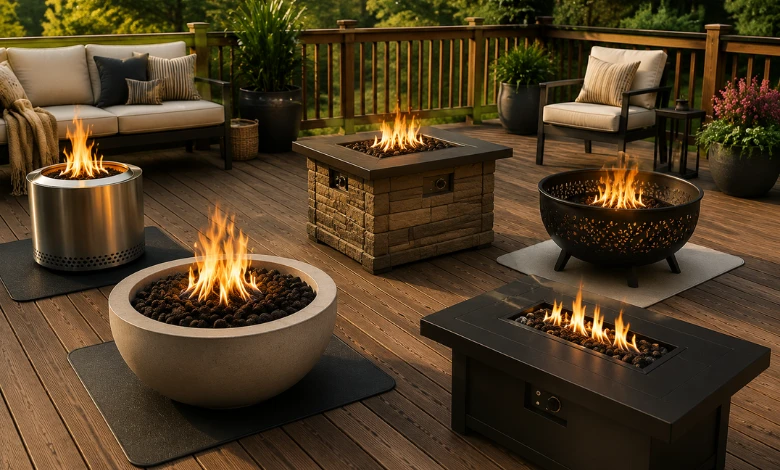
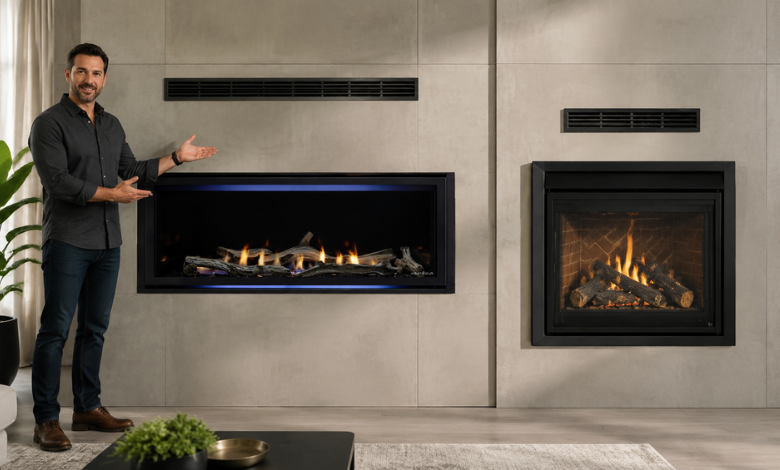
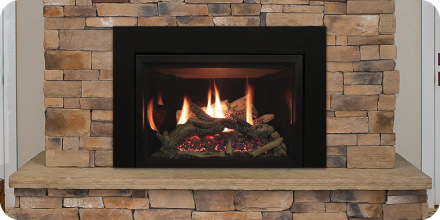
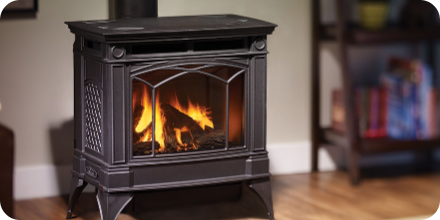
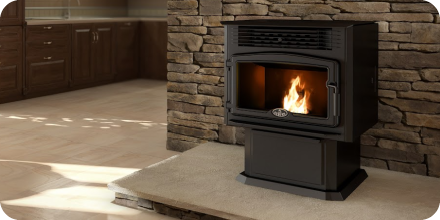
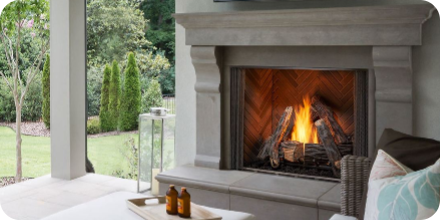
Ventless fireplaces are available in several styles, including wall-mounted units, fireplace inserts, and freestanding models. They can run on natural gas, propane, or even ethanol, giving you flexibility in how you power and position them throughout your home.
Ventless Fireplace Safety Concerns
The primary concern with ventless fireplace safety comes down to air quality. Because the combustion byproducts stay in your living space, there is a potential for moisture buildup, and in rare cases of malfunction or misuse, a rise in carbon monoxide or other gases. It is crucial to be aware of these risks prior to making a purchase, even though they are manageable.
Here are some of the most common ventless fireplace safety concerns you should be aware of:
- Moisture and Humidity: Water vapor is released as a byproduct of combustion in a ventless fireplace. Over time, this can raise the humidity levels in your home, potentially leading to condensation on windows, mold growth, or structural issues if not properly managed.
- Carbon Monoxide Risk: While modern units are engineered to burn cleanly, any malfunction or improper use can result in elevated carbon monoxide levels. It is therefore strongly recommended to have a working carbon monoxide detector in the area.
- Nitrogen Dioxide: Combustion in gas appliances produces nitrogen dioxide, which can irritate the respiratory system, particularly for those with asthma or other breathing conditions.
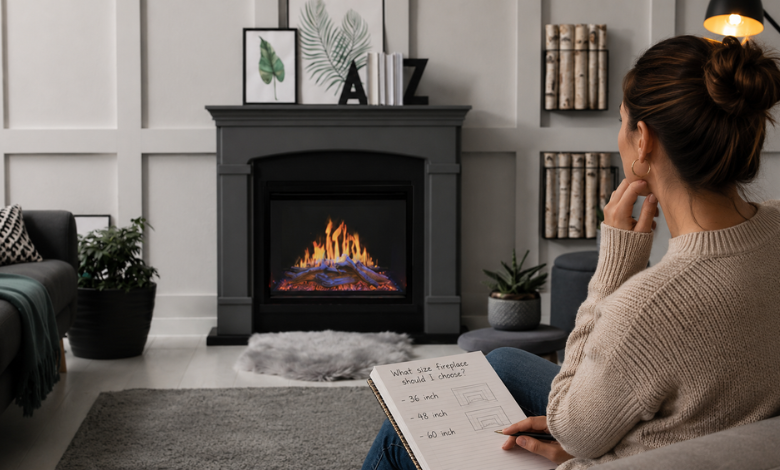
- Room Size Limitations: Using a ventless fireplace in a small, tightly sealed room without adequate air circulation can accelerate the buildup of combustion byproducts. Always follow the manufacturer's recommendations regarding minimum room size.
Is a ventless gas fireplace safe? Yes, when used correctly and within the guidelines provided by the manufacturer. The key is awareness. If you know what to watch for and take the right steps to keep your space well-ventilated, a ventless unit can be a reliable and enjoyable heat source.
Safety Precautions with Ventless Fireplaces
Taking the right precautions goes a long way in making sure your ventless fireplace operates safely over the long term. Here are some things to consider:
- Install Carbon Monoxide and Smoke Detectors: Place carbon monoxide and smoke detectors near your fireplace and in sleeping areas. Test them often to ensure proper operation.
- Use the Fireplace in Properly Sized Spaces: Check the manufacturer's guidelines for the minimum room size. Avoid running the unit in small bathrooms, closets, or bedrooms that lack adequate air circulation.
- Limit Burn Time: Rather than being used continuously, the majority of ventless fireplaces are made for supplemental heating. Running them for extended periods without breaks can increase moisture and reduce air quality.
- Crack a Window: Allowing a small amount of fresh air into the room while the fireplace is running helps replenish oxygen and reduce the concentration of combustion byproducts.
- Plan Annual Inspections: Have your unit serviced and inspected once a year by a qualified specialist. This aids in identifying any possible problems before they become safety hazards.
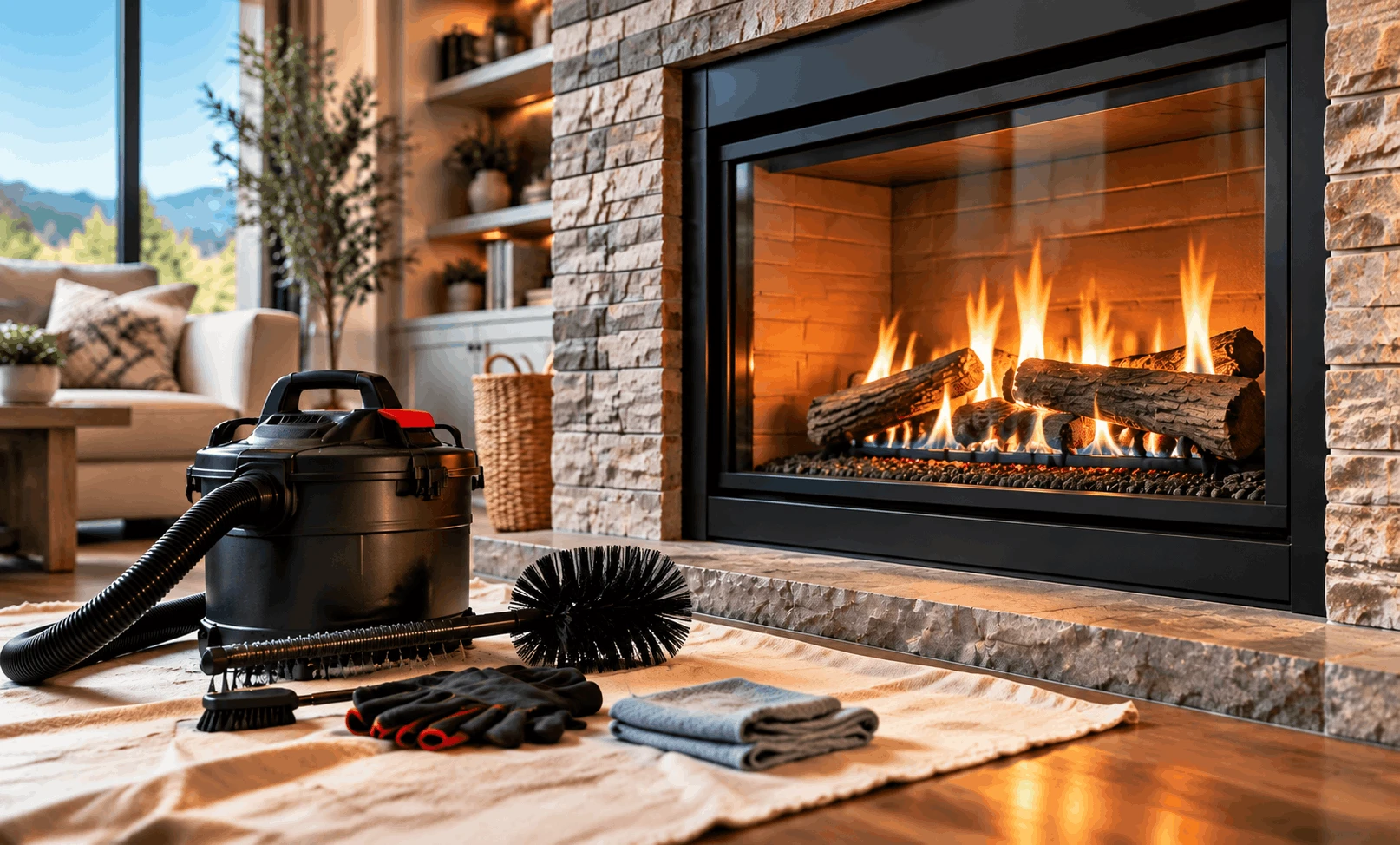
- Keep the Unit Clean: Combustion may be hampered by dust and debris surrounding the burner. Wipe down the unit regularly and follow the manufacturer's cleaning instructions.
Are vent-free fireplaces safe for families with young children or pets? With the right precautions in place, yes. Make sure children and pets stay a safe distance from the unit, use a safety screen if one is available, and never leave the fireplace running unattended for long periods.
Installation Guidelines
One of the most crucial things you can do to safeguard your home and get the most out of your fireplace is proper installation. Whether you are installing a new unit or replacing an older one, following the right procedures makes a significant difference.
- Employ a Qualified Installer: When installing a ventless gas fireplace, always work with a licensed professional. One of the main reasons for fireplace-related safety problems is improper installation.
- Respect Local Building Codes: The use of ventless gas appliances is subject to particular laws in some states and municipalities. Prior to installation, confirm compliance with your local building authority.
- Choose the Right BTU Output for Your Space: Your installer can help you select a unit with the appropriate heating capacity for the room. Poor air quality is more likely when an oversized unit is placed in a small area.
- Check Clearance Requirements: Furniture, drapes, and rugs are examples of combustible items that must be kept out of the vicinity of the fireplace. Follow the clearance distances outlined in the product manual.
- Confirm Gas Line Connections Are Secure: All gas connections should be tested for leaks by a certified professional after installation. Never attempt to connect or modify gas lines on your own.
Once your unit is installed, read through the owner's manual thoroughly. It contains product-specific safety information that applies directly to your model and should be your go-to reference for operation and maintenance.
Final Thoughts
Ventless fireplaces can be a wonderful addition to your home when used with care and maintained properly. The key is educating yourself on how they work, knowing the risks, and putting the right safeguards in place. With modern safety features like the oxygen depletion sensor and high-efficiency burners, today's units are more reliable than ever. As long as you follow the installation guidelines, use your fireplace within recommended limits, and keep your detectors in good working order, you can enjoy the warmth and comfort these fireplaces offer with confidence.
Have more questions about safely using a ventless fireplace? Embers Living support team here to help! Contact us online at any time, by phone at (303) 800-5659, or by email at sales@embersliving.com. Our helpful customer support staff is always pleased to help.