



How to Clean Gas Logs
Posted by Anna William on Apr 29th 2026
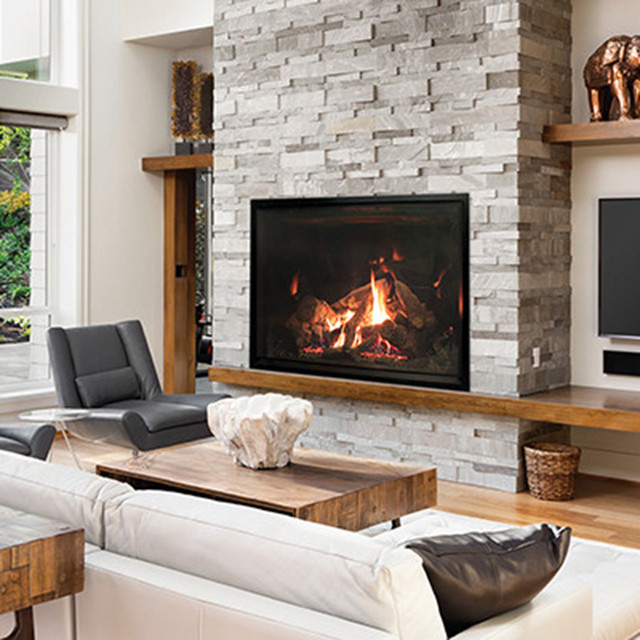
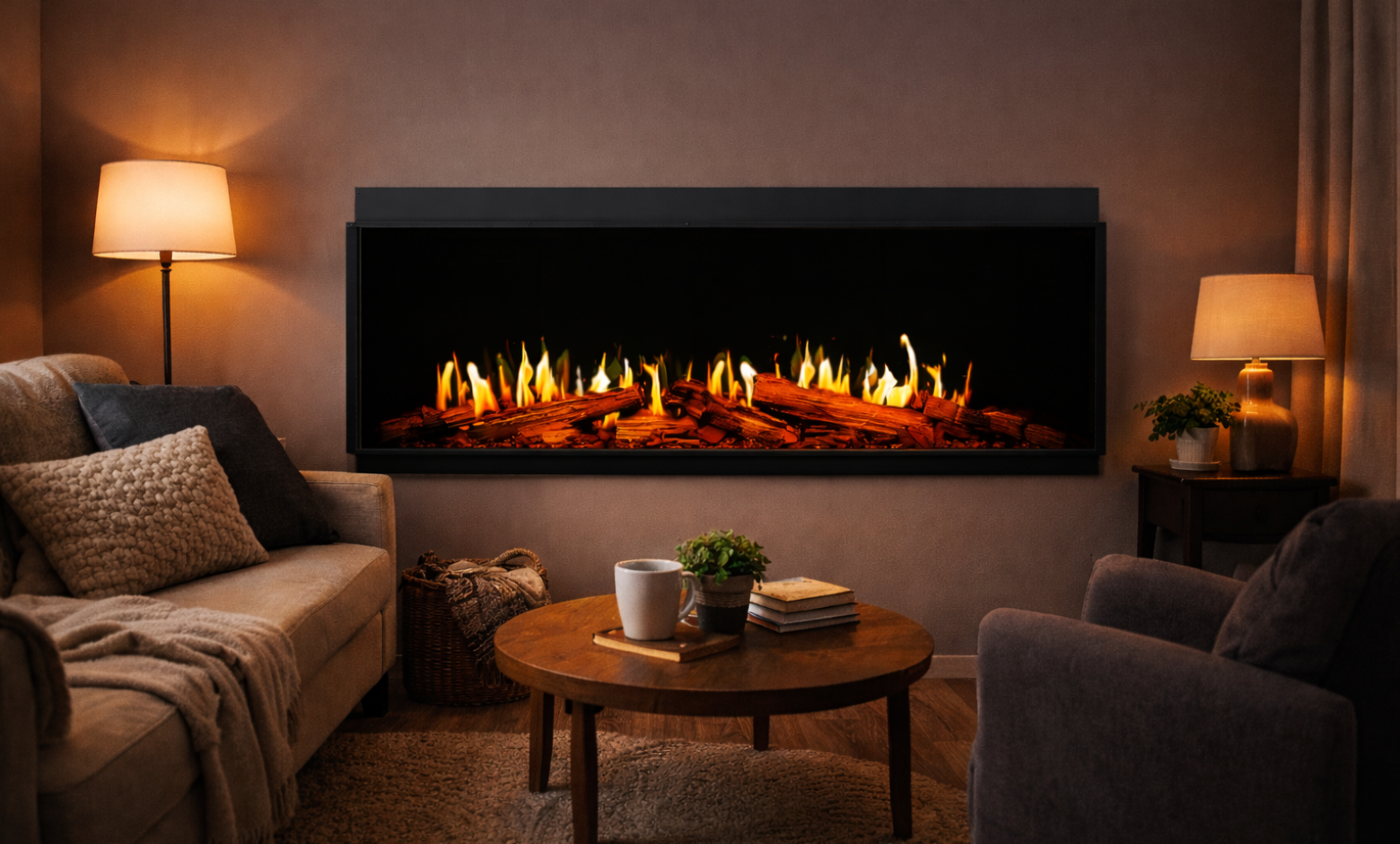
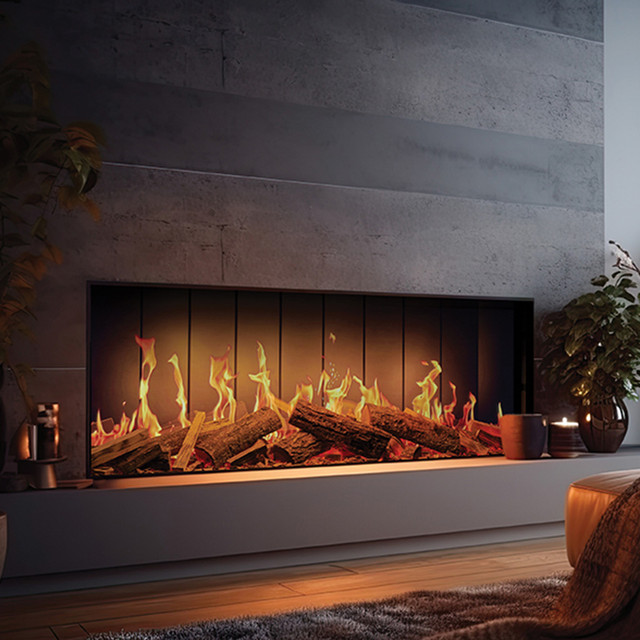
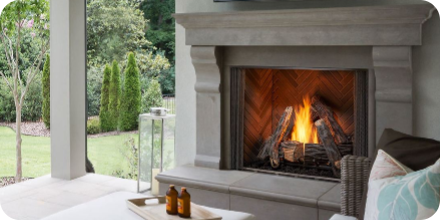
A gas log fireplace adds warmth, comfort, and charm to any home, but like any part of your living space, it needs regular care to keep working at its best. Learning how to clean gas logs the right way helps your fireplace look great and run safely through every cold season. Over time, dust, soot, and small particles build up on the logs, which can affect the flame pattern and even the air quality inside your home. The good news is that cleaning your gas logs is a simple task you can handle on your own with a little time and the right approach. In this guide, you will find clear steps, helpful advice, and reasons why regular gas log fireplace maintenance should be part of your home care routine.
Step-by-Step Cleaning Gas Logs Procedure
Before you begin, safety should come first. Make sure your fireplace is completely cool, the gas supply is turned off at the valve, and the pilot light is out. Give the unit enough time to cool down fully, usually a few hours after the last use.
Once you are ready, follow these simple steps for how to clean gas fireplace logs in a safe way:
- Gather your supplies. A microfiber cloth, a small handheld vacuum with a brush attachment, a can of compressed air, a soft paintbrush, and your phone or camera are all necessary.
- Take a photo of the log set. Before you remove anything, snap a picture of how the logs are placed. Gas logs are arranged in a specific pattern to allow proper airflow, and this photo will help you put them back correctly later.
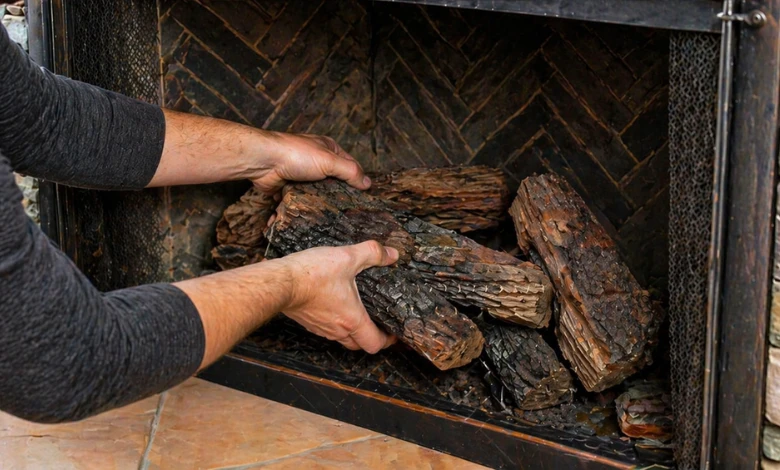
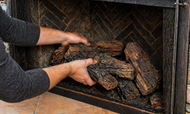
- Remove the logs carefully. Lift each log out one by one and set them gently on an old sheet or towel on a flat surface. Ceramic logs can chip or crack if handled roughly, so move slowly and with care.
- Brush away dust and soot. Use the soft paintbrush to wipe away loose dust from every log, starting at the top and working down. Working outside is a good idea, since the soot can be messy. Avoid using water on ceramic fiber logs — it can seep into the porous surface and cause damage. If your logs are made from refractory ceramic, some manufacturers permit gentle cleaning with mild soap and water, but they must be completely dry before being placed back in the fireplace. Always check your manufacturer's guidelines first to confirm what is safe for your specific log type.
- Inspect each log. Look closely for cracks, chips, or worn spots as you clean. Damaged logs should be replaced right away, since broken pieces can affect the flame and create safety concerns.
- Vacuum the firebox. Use the handheld vacuum to clean the inside of the firebox, including the burner area, the lava rocks or embers, and any corners where debris collects. Be gentle around the burner ports so nothing gets blocked.
- Wipe the glass. If your unit has a glass front, use a microfiber cloth with a small amount of mild soap or a light vinegar solution. Steer clear of abrasive cleaners, harsh chemicals, and ammonia-based products such as Windex — these can streak, etch, or permanently damage gas fireplace glass. Use a dedicated fireplace glass cleaner, mild soap, or a diluted vinegar solution for best results.
- Check the vents. Look for blockages, nests, or loose debris in the venting area and clear them out with your brush or vacuum.
- Replace the logs. Using your photo as a reference, put the logs back in the exact positions they came from. Correct placement matters for a natural-looking flame and safe operation.
- Turn the gas back on and test. After starting the fireplace and relighting the pilot, observe the flame for a minute. It should burn with a steady, even pattern.
Additional Tips for Maintaining Your Gas Fireplace
Good gas log maintenance goes beyond a single cleaning session. Your fireplace can be kept in excellent condition throughout the year with a few simple habits.
- Dust your log set every month during the cold season with a soft brush or a light vacuum pass. This keeps the surface clean between deeper cleanings.
- Inspect the burner and gas lines for signs of wear, corrosion, or loose fittings each time you clean. Before using the fireplace again, contact a qualified technician if something seems strange.
- Have a certified professional inspect your gas fireplace once a year. They can check the gas lines, burner, valves, and venting to catch problems early.
- Keep the area around the fireplace free of clutter, drapes, or furniture that might block airflow or create fire risks.
- If you notice a strange smell, a yellow or flickering flame, or soot forming on the logs, shut off the unit and call a service technician right away. These signs can point to a combustion issue that needs a trained eye.
- Your carbon monoxide detector should have its batteries changed annually and tested frequently. A working detector is your best warning if something goes wrong with any gas appliance.
- Regular cleaning logs for the fireplace also helps the logs last longer. Ceramic logs are strong, but they do wear down over time with heat and buildup. Gentle care stretches their life span and saves you money in the long run.
Why You Should Clean Your Gas Logs
Some homeowners wonder if learning how to clean fireplace logs is really worth the effort, since gas burns cleaner than wood. Yes, and here's why.
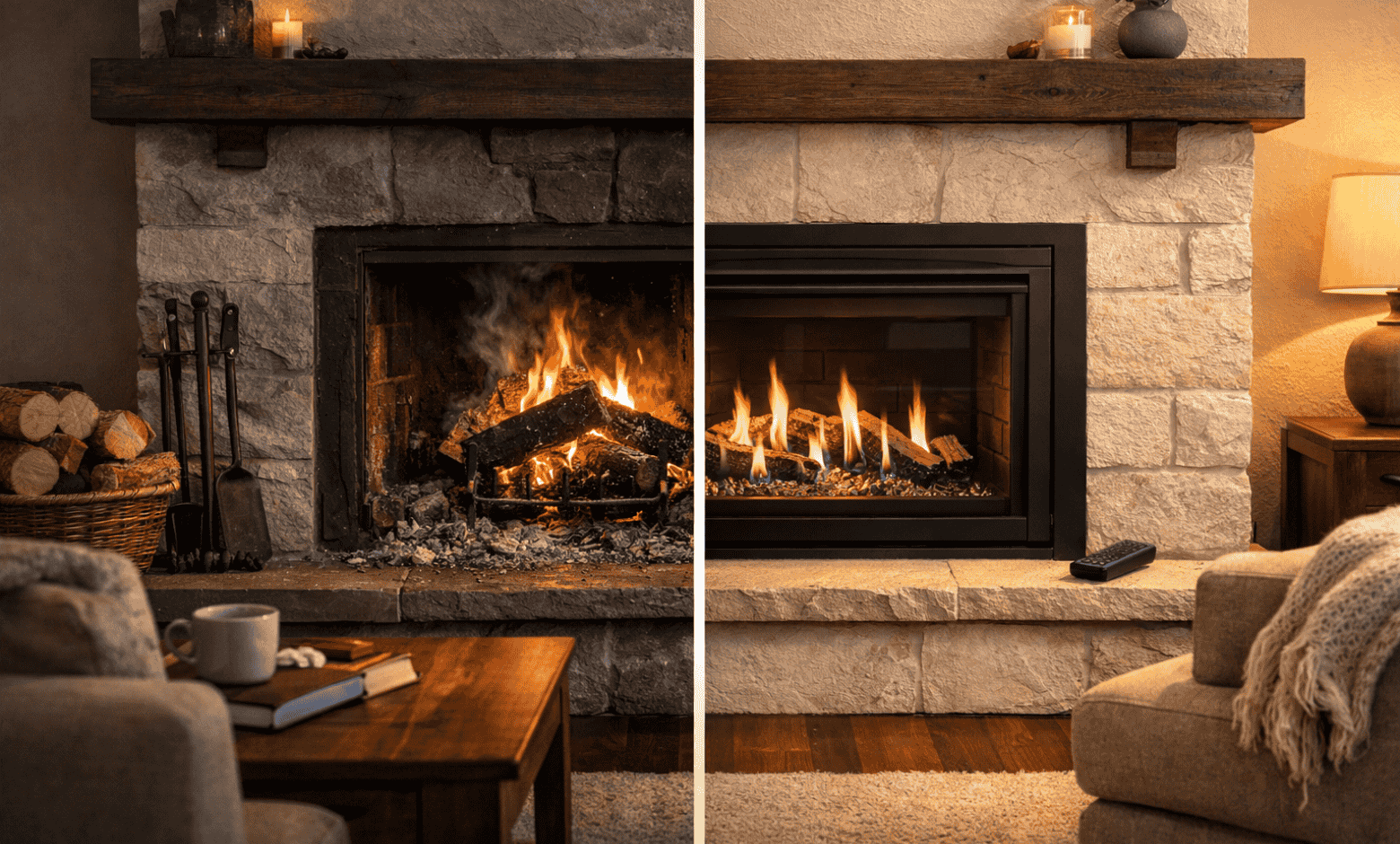
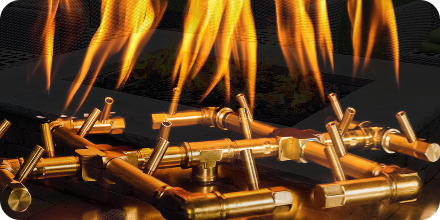
Dust and soot collect on the logs and around the burner, even in a clean-burning gas unit. When this buildup blocks the gas ports, the flame pattern changes, and the fire starts to look dull or uneven. A clean log set produces the bright, lively flame most homeowners love.
Your indoor air quality is also safeguarded by cleaning gas logs. When burners are clogged, they can release more carbon monoxide than normal. Regular cleaning lowers this risk and helps keep your family safer.
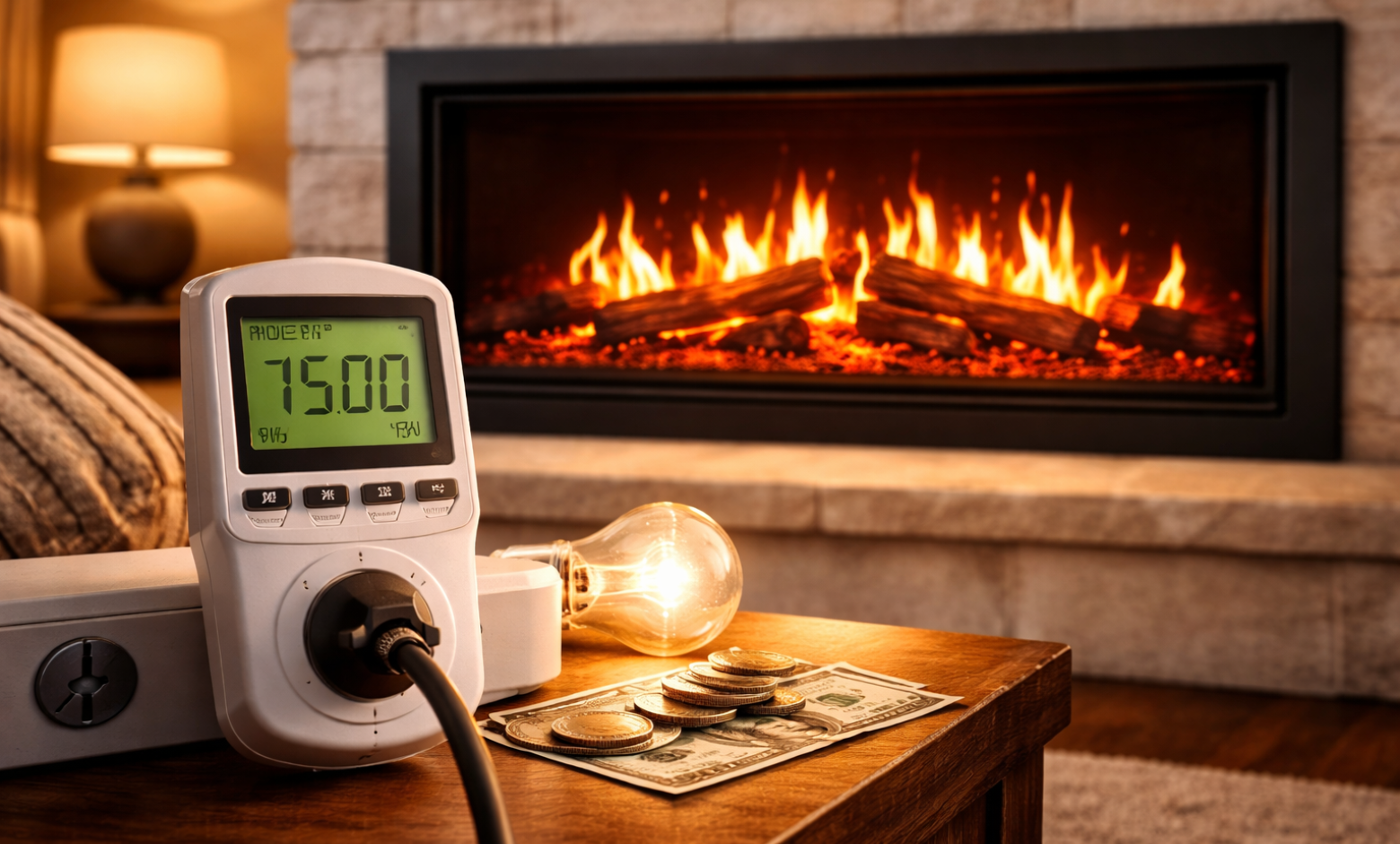
Your fireplace works harder and uses more gas when the system is dirty. A clean unit runs better, heats faster, and costs less to operate over the months of heavy use.
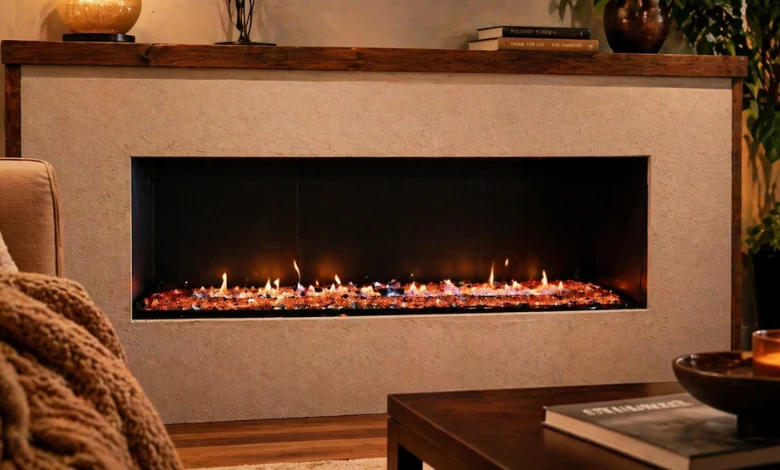
A clean gas fireplace simply looks better, too. The logs show their color and texture, the glass stays clear, and the whole hearth becomes a welcoming centerpiece for your home.
Simple care goes a long way. A short cleaning session a few times a year keeps your fireplace safe, bright, and ready to warm your family on every chilly night. If you build these habits now, you will enjoy a beautiful flame for many seasons ahead without any big repairs or surprise costs.
Get in Touch With Us
Do you have more questions about how to clean gas logs? Feel free to contact the Embers Living team online or give us a call directly at (303) 800-5659, or email us at sales@embersliving.com to speak with one of our knowledgeable customer service staff.