

Vented vs Ventless Gas Logs
Posted by Anna William on Jan 14th 2026
If you’ve been googling “vented vs ventless gas logs” and bouncing between opinions, you’re not alone. Most homeowners start with the same core questions: Do you want maximum heat, the most realistic-looking flames, or a little of both?
The truth is that while both vented and ventless gas logs can be excellent, they perform better in certain circumstances. Think of it like choosing between a candlelit dinner and a space heater; both are useful, they just serve different purposes in your life.
Key Takeaways:
- Vented gas logs give you the most realistic, wood-like flame but less usable heat.
- Ventless gas logs are more efficient for heating your room, but have a slightly less natural-looking flame.
- Choose vented if you want ambiance and already have a working chimney; choose ventless if extra heat and efficiency matter more.
- Embers Living can help you compare vented vs ventless gas logs and pick the right setup for your home.
Vented gas logs
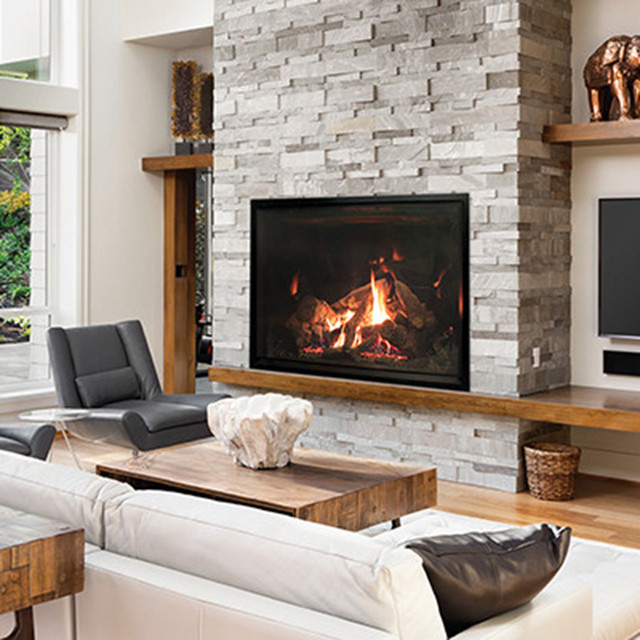
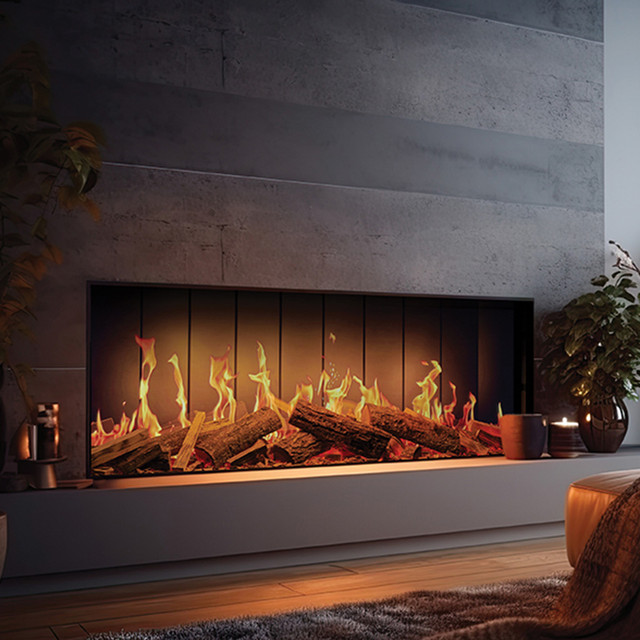
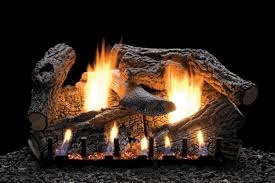
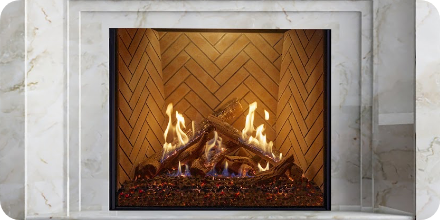
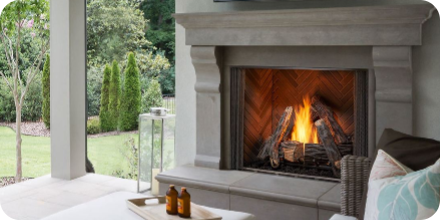
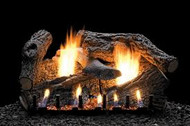
Vented gas logs are all about that classic, wood-burning look and feel. They’re made to give you tall, dancing flames that roll around the logs and look a lot like a real wood fire.
Because vented gas logs burn with the chimney damper open, much of the heat goes up and out of the chimney, so they’re usually chosen more for ambiance than for whole-room heating. If your dream evening is turning on the fire, dimming the lights, and just enjoying the view, vented gas logs are probably going to make you very happy.
Which kind of fireplace makes use of vented gas logs?
A fully operational wood-burning fireplace with a functional chimney and venting system is required for the installation of vented gas logs. You need that open flue to safely move combustion byproducts outside the home.
So if you already have a traditional masonry or factory-built wood-burning fireplace, vented gas logs are often an easy upgrade that lets you keep the look you love while skipping the mess, hauling wood, and constant cleanup. Have you ever finished a wood fire and thought, “That was great…but now I have to clean this ash out”? That’s the exact pain point vented gas logs solve.
Ventless gas logs
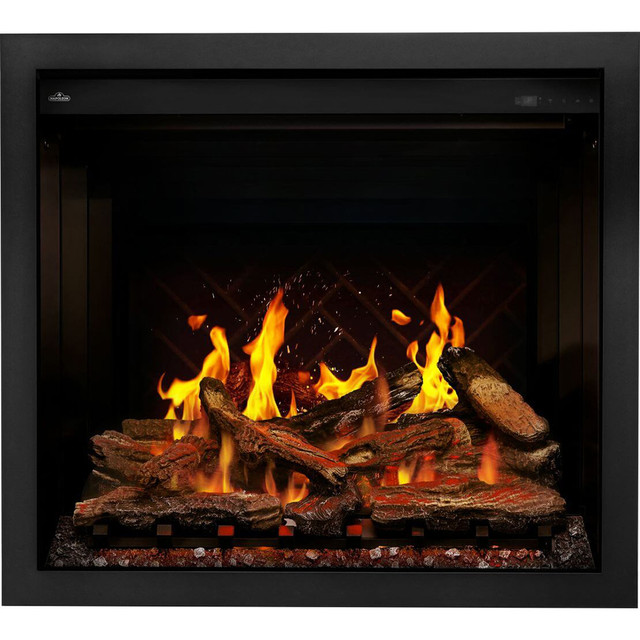
Ventless gas logs (also called vent-free gas logs) are built to keep the heat in the room instead of sending it up a chimney. They burn gas very efficiently and send nearly all of that warmth back into your living space.
Because there’s no vent or flue carrying fumes outside, ventless gas logs are engineered to burn very clean and are typically rated as almost 100% efficient for heat output. The flame pattern is still attractive, but the flames are usually smaller and can have a slight blue tint compared with vented gas logs. So if your priority is heating performance more than a “wood-fire movie scene,” ventless often wins that trade-off.
Which kind of fireplace makes use of ventless gas logs?
Ventless gas logs are more flexible in where they can be installed. They can be used in approved vent-free fireboxes, some prefabricated fireplaces that are rated for vent-free use, and certain existing wood-burning fireplaces when installed according to code and manufacturer guidelines.
Because ventless gas logs release combustion products into the room, you’ll see recommendations to use them as supplemental heat, follow any BTU and room-size limits, and use carbon monoxide detectors as added protection. If you’ve ever turned on a ventless set and noticed a little extra moisture on your windows or a faint odor, that’s normal and one of the trade-offs you’ll want to factor in.
A brief guide to using gas logs in indoor fireplaces
No matter which side of the ventless vs vented gas fireplace decision you land on, a few basics always apply. You want safe installation, correct sizing, and simple habits that keep your setup running smoothly.
Here are some practical tips for using gas logs vented or ventless indoors:
- Furniture and curtains should be kept at least a few feet away from the fireplace opening.
- Install and test carbon monoxide detectors in your house on a regular basis, especially if you have ventless gas logs.
- Have your fireplace and gas logs inspected periodically by a qualified professional to check for proper venting, gas leaks, and general safety.
Think of it like your car: you might not pop the hood every day, but regular checkups help everything run the way it should.
Frequently Asked Questions About Vented or Ventless Gas Logs
You’ve probably got a few questions like “Okay, but which is better for me?” Let’s take a closer look at the key differences between vented and ventless gas logs.
Which type of gas logs, vented or ventless, creates a more realistic fire?
Suppose your top priority is the most realistic, wood-like flame, vented and ventless gas logs are not equal here. Vented gas logs generally create taller, fuller, more natural-looking flames that wrap around the log sets and look closer to a true wood-burning fire.
Ventless sets can still look great, but the flames are usually a bit smaller and sometimes have a blue tint, which can feel slightly less “campfire” and more “gas flame.” So if you’re asking, “Which is better, a vented or a ventless gas fireplace for pure realism?”, vented usually comes out ahead.
Which kind of gas log, vented or ventless, uses less energy?
This is where ventless gas logs clearly take the lead. Because there’s no open flue pulling warm air up and out, ventless sets keep most of the heat in the room and are typically rated near 99–100% efficient for supplemental heating.
Vented gas logs, by contrast, lose a lot of their heat through the chimney, just like a traditional wood-burning fire. If you mainly want that cozy glow and you already have another primary heat source, that trade-off might be totally fine for you.
Which kind of gas log emits more heat—ventless or vented?
In terms of raw heat you can actually feel in the room, ventless gas logs win again. They’re specifically built to act as an efficient supplemental heat source, pushing more warmth into the space instead of letting it escape.
Vented gas logs still give off some heat, but much of it goes up the chimney, so they’re best for homeowners who value the look and sound of a traditional fire over high heat output. So if your main question is “vented or ventless gas logs for maximum warmth?”, ventless is usually the better fit.
Vented vs ventless gas logs: how do you decide?
So, which is preferable: a vented vs a ventless gas fireplace setup for your home? It really boils down to your priorities.
Ask yourself:
- Do you care more about a show-stopping, realistic flame or about heating your space efficiently?
- Do you already have a working chimney you’re happy to use, or are you trying to avoid that requirement?
- Are you comfortable with the idea of ventless appliances and the guidelines that come with them, or do you like the idea of combustion products going straight outside?
If you’re still stuck on “vented or ventless gas logs” after that, don’t worry; a quick conversation with a fireplace pro can usually clear things up pretty fast.
Finding the right set of gas logs for your home with Embers Living
Choosing gas logs vented or ventless is one thing; finding a reliable place to buy them is another. That’s where Embers Living comes in as your go-to reseller, helping you sort through vented and ventless gas logs from trusted brands so you’re not guessing your way through a big investment.
Think of Embers Living as your “fireplace friend” who’s already gone down the research rabbit hole for you. You get knowledgeable guidance, carefully selected products, and real-world advice on what will actually work well in your specific fireplace, not just what looks good in a catalog.
Are you still unsure about which vented or ventless gas logs are best for your house? To speak with one of our friendly customer service representatives, please contact us online, by phone at (303) 800-5659, or by email at sales@embersliving.com. Our support team will be happy to assist you.