


How to Use a Wood-Burning Fireplace
Posted by Anna William on Jan 8th 2026
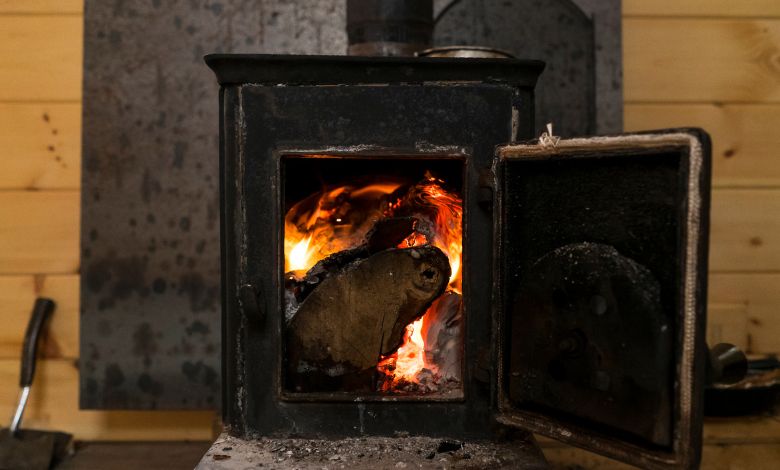
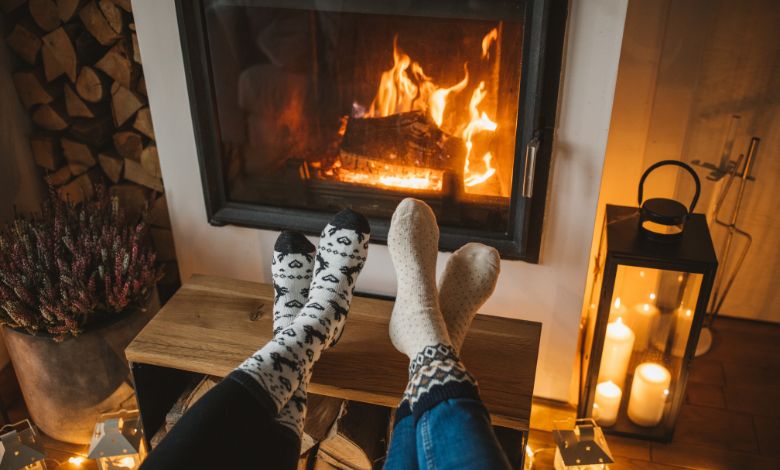
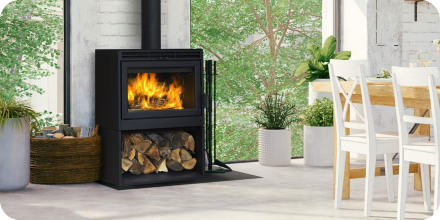
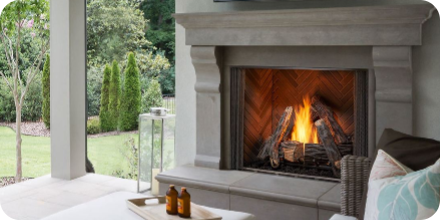
A wood-burning fireplace offers an authentic, rustic charm that transforms your living space into a cozy haven, perfect for those chilly winter nights. Whether you are alone, with your loved ones, or even entertaining your guests, there is nothing more comforting and relaxing than sitting by the fire with the family. Using a wood-burning fireplace is not always as simple as it seems, however. If you want to learn how to use a wood-burning fireplace, check out this detailed guide and be sure to follow all the steps so you can enjoy the heat for longer.
1. Check the Fireplace and Chimney
Before you start adding fuel to your fireplace, you should make sure that it is in perfect condition. Safety should always be your number one priority when dealing with fire, so make sure you follow all of these steps!
- Inspect the Chimney: Creosote buildup in your chimney is a common problem, which is why it’s vital to make sure that the flue is clean before using a fireplace. We recommend getting your chimney inspected and cleaned by a professional at least once a year.
- Check the Damper: The damper in your chimney controls the amount of airflow and smoke going out through the chimney. Make sure it works properly and stays open when a fire is lit. Otherwise, the smoke will start pouring back into the room.
- Examine the Firebox: Inspect the inside of the firebox for any cracks or creosote buildup, as well as the damper. Make sure that the place is clean and clutter-free before building the fire.
2. Gather the Right Wood
The type of wood you use for your fireplace matters more than you might think. The right type of wood will help your fire to burn hotter, longer, and cleaner. Follow our simple tips for picking the right type of firewood and enjoy the crackling flame in the fireplace.
- Hardwoods Are Best: Hardwoods like oak, hickory, and maple are the best choices for your wood-burning fireplace. Softwoods like fir and pine are great for kindling, but they produce a lot more creosote in your chimney.
- Season the Wood: Fresh wood has a lot of moisture in it, which makes it harder to burn and smokes more. Seasoned firewood is recommended to be used for at least 6 months before burning. Softwood species like pine or fir season in as little as six months. Hardwoods, such as oak and maple, can take 12 months or more.
- Size Matters: Split the wood into manageable pieces so they are not too large to burn properly but not too small to burn out too soon.
3. Building the Perfect Fire
Now that you have chosen the best firewood for your fireplace, it’s time to arrange it in such a way that it will help it burn faster. There are a few different ways to do this, but one of the most popular methods that is also quite efficient is the log cabin fire method.
- Start with Kindling: Once the kindling is in place, place a few pieces of wood over it. Make sure the pieces are arranged in such a way to allow airflow so the fire burns more evenly.
- Add the Logs: Once the kindling is in place, place a few pieces of wood over it. Make sure the pieces are arranged in such a way as to allow airflow so the fire burns more evenly.
- Leave Room for Airflow: Avoid placing all of the wood in the fireplace at once. Leave a bit of space for air to reach the flame and help it burn better.
4. Lighting the Fire
Once you have arranged all the wood in your fireplace and you’re happy with the way it looks, it is now time to light the wood burner.
- Light the Kindling: Start by lighting the small twigs at the base of your wood stack. Use a long match or a lighter to reach the firestarters. The flames will catch the twigs, and the fire will spread to the larger logs.
- Monitor the Flame: You may have to add a bit more kindling to get the large logs to catch fire. If you have any larger logs to add to the fireplace, you can also adjust them for better airflow.
- Adjust the Damper: Once your fire is burning, open the damper to let smoke and gases escape from the chimney. This will make your fire burn more efficiently and prevent buildup in the chimney.
5. Maintain the Fire
Once the fire is built, all that is left to do is to keep it burning.
Add wood in intervals: Avoid dumping a large amount of firewood in the fireplace, as it will cause the fire to smolder. It is better to add wood gradually to maintain a consistent flame and keep the wood burning efficiently.
- Add Wood Gradually: Avoid dumping a large amount of firewood in the fireplace, as it will cause the fire to smolder. It is better to add wood gradually to maintain a consistent flame and keep the wood burning efficiently.
- Control the Airflow: If you think the fire is too hot and large, you can control it by partially closing the damper. This will reduce the airflow into the fireplace. If you think it is too small, you can open it further to let more oxygen into the fire.
- Stoke the Fire: Using a poker, you can stir the logs to keep the fire burning more efficiently. This will also prevent hot spots from developing and ruining the structure of your fireplace.
6. Safety Tips
Safety is an important thing to keep in mind while operating a wood-burning fireplace, so make sure you follow these rules to keep your family safe.
- Never Leave the Fire Unattended: This rule should be at the top of any list involving open flames. Do not leave the room while the fire is burning, and make sure you have no children or pets nearby when it is on.
- Use a Screen or Door: Fireplaces should be equipped with a fire screen or even glass doors to prevent any flying sparks from escaping the fireplace and starting a fire in your home.
- Keep Fire Extinguishing Equipment Nearby: Always have a fire extinguisher or a bucket of sand nearby in case of an emergency. Know how to use it before lighting a fire.
- Keep Flammable Objects Away: Ensure that any furniture, curtains, or other flammable objects are at least three feet away from the fire.
7. Extinguishing the Fire
You may have noticed that there was no part in this guide for extinguishing the fire, and that is on purpose.
- Let the Fire Burn Out: Do not add more wood to the fire if you are going to sleep or leave the house. We do not recommend doing this for safety reasons.
- Douse with Water or Sand: If you can’t allow the fire to burn out, you can also douse it with water or sand to extinguish the flames. Make sure you close the damper and all the embers are out before leaving the fireplace unattended.
8. Cleaning and Maintaining the Fireplace
Now that you know how to use a wood-burning fireplace, it is time to make sure that you are doing your best to maintain it.
- Clean the Firebox: After every fire, it is recommended that you remove the ashes from the firebox to prevent unpleasant odors or restricted airflow. Use a metal ash can and avoid using plastic containers.
- Clean the Glass Doors: If your fireplace has any glass doors, make sure you clean them regularly to remove any soot and creosote buildup. Regular fireplace glass cleaner can be a great investment.
- Annual Inspection: As we already mentioned, you should get an annual chimney inspection to make sure everything is working the way it should and no blockages, damage, or cracks are present.
Final Takeaway
Wood-burning fireplaces are some of the most fun, cozy, and nostalgic ways to heat your home, but it does take a bit of experience and knowledge to use them properly. The step-by-step instructions mentioned in this guide will help you maintain your wood-burning fireplace in perfect working condition, so you can enjoy its heat and the quality time spent with your family and friends for years to come. If you are in the market for a new fireplace for your home, or if you want to purchase new accessories for your wood-burning fireplace, check out Embers Living to find the best prices and unique designs to fit every taste. If you have any questions or concerns regarding your fireplace, you can always contact us for more information.