

How to Use a Kamado Grill: Your Complete Guide to Kamado Grilling
Posted by Anna William on Apr 3rd 2026
If you have been wondering how to use a Kamado Grill and unlock everything it can do, you are in the right place. Whether you just brought home your first Kamado Joe or you have had one sitting in your backyard for a season, getting familiar with how this cooker works will completely change the way you approach outdoor cooking. At Embers Living, we are passionate about helping you get the most out of your grill, and the Kamado is one of the most rewarding tools you can own. From low-and-slow smoked briskets to blazing hot seared steaks, once you understand the fundamentals, there is almost nothing this grill cannot do.
We take you step-by-step through everything you need to know in this guide. We cover how the grill works, how to light it properly, how to manage heat, and how to cook all kinds of food with confidence. Let's get started.
What Is a Kamado Grill?
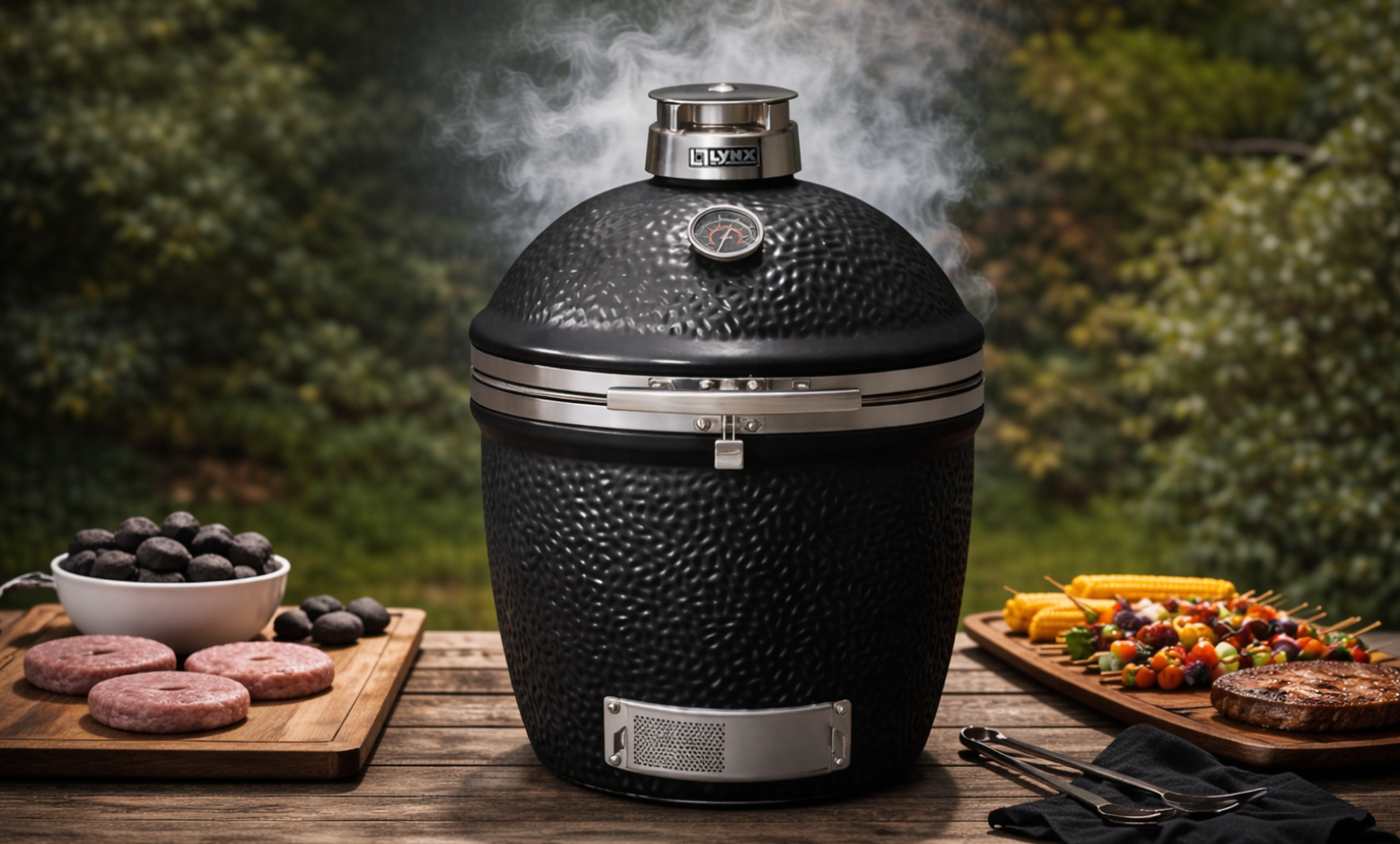
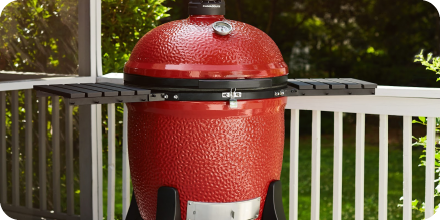
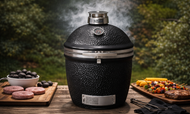
A Kamado grill is a thick-walled, egg-shaped ceramic cooker that has roots in ancient cooking traditions going back thousands of years. The Japanese word "Kamado" literally translates to "stove" or "cooking range." Historians trace the design back to clay cooking vessels used in China and Japan as far back as 3,000 years ago. Over the centuries, the concept traveled across Asia and eventually made its way to the United States after World War II, when American servicemen stationed in Japan brought the idea home with them.
Modern Kamado grills are typically made from thick ceramic walls that act as a heat sink, absorbing and radiating heat evenly across the cooking surface. The design features a dome-shaped lid, a lower firebox, a charcoal basket, a cooking grate, and adjustable vents at the top and bottom that control airflow and temperature. Some models, like Kamado Joe, also include features such as a divided cooking system and heat deflector plates for added versatility.
Unlike a traditional kettle grill or gas grill, the Kamado is built to hold heat for hours without needing constant attention. The ceramic walls insulate so well that you can maintain a steady low temperature for smoking or crank it up over 700 degrees Fahrenheit for high-heat searing, all with the same bag of lump charcoal.
What Makes a Kamado Grill So Good?
The question we hear most often from new owners is simple: why does food taste so much better off a Kamado? The answer comes down to a few core reasons that set this style of grill apart from everything else on the market.
First, the thick ceramic walls create a moist cooking environment. Because the ceramic absorbs heat and releases it slowly and evenly, you do not get the hot and cold spots that plague thin metal grills. The moisture from your food recirculates inside the dome rather than escaping, which means your meats stay juicy and your vegetables cook through without drying out.
Second, the Kamado is incredibly fuel-efficient. Because the ceramic holds heat so well, you use far less charcoal than you would on a conventional grill. A single load of lump charcoal can carry you through an entire 12-hour smoke without needing to add more fuel. It is difficult to match that level of efficiency with any other kind of grill.
Third, the Kamado is a true all-in-one cooker. In the same space, you can bake, roast, grill, smoke, and even make pizza. It is among the greatest investments you can make for outdoor cooking because of its versatility. Whether you are hosting a neighborhood cookout or cooking a quiet Sunday dinner, the Kamado handles it all without skipping a beat.
Finally, Kamado grills are built to last. High-quality ceramic models from trusted brands hold up through years of heavy use and all types of weather. Unlike steel grills that rust and corrode, ceramic stands up to the elements without losing performance or appearance.
The Important Features of a Kamado Grill
Before you start cooking, it helps to know the main parts of your Kamado and what each one does. Here is a breakdown of the key components you will work with every time you cook:
- The Ceramic Shell: The outer body of the grill is made from thick, heat-retaining ceramic. It keeps temperatures consistent and protects your food from external temperature swings. The shell is what gives the Kamado its superior heat control compared to metal grills.
- The Firebox: Located at the bottom of the grill, the firebox holds your charcoal and is where combustion takes place. It is usually made from a separate ceramic piece that can handle direct flame and extreme heat.
- The Charcoal Basket or Grate: Inside the firebox sits a charcoal basket or fire grate that holds your lump charcoal or briquettes above the bottom vent. Good airflow from below is what keeps your fire burning properly.
- The bottom vent (draft door): The bottom vent, located at the base of the grill, controls the amount of oxygen that enters the firebox. Opening it wider feeds the fire and raises the temperature. Closing it restricts airflow and drops the temperature.
- The Cooking Grate: This is where your food will rest. Most Kamado grills come with a cast-iron or stainless-steel cooking grate positioned above the firebox. Some models include multiple levels for cooking different items at different heights.
- The Heat Deflector Plates: For low-and-slow cooking, you place ceramic heat deflector plates between the fire and the cooking grate. These blocks direct heat and turn your grill into a convection oven, which is perfect for smoking and baking.
- The Top Vent (Daisy Wheel): The dome cap at the top of the grill acts as your exhaust vent. Adjusting it fine-tunes how much heat escapes and how much stays inside. Combined with the bottom vent, it gives you precise control over temperature.
- The Dome Thermometer: Built into the lid, the dome thermometer gives you a reading of the temperature inside the grill. While it is not always perfectly accurate at the grade level, it gives you a solid reference point for managing heat.
How to Light a Kamado Grill
Learning how to start a Kamado Joe or any other Kamado grill properly is one of the most important skills you will develop as a Kamado cook. The lighting process is straightforward, but there are a few things to keep in mind to get a clean, consistent fire every time.
Step 1: Choose the Right Charcoal
Always use lump hardwood charcoal in your Kamado. Compared to briquettes, lump charcoal ignites more quickly, burns hotter, and produces less ash. It also gives your food a cleaner, more natural flavor. Avoid lighter fluid at all costs, as it leaves chemical residue that ruins the taste of your food and can damage the ceramic over time. Brands like Jealous Devil, Royal Oak, and Fogo are popular choices among serious Kamado cooks.
Step 2: Fill the Firebox
Open the dome and fill the firebox with lump charcoal. For low-and-slow cooking, fill it about two-thirds of the way up. Fill the firebox to the brim for high-heat searing. Make sure the charcoal is spread evenly so you get consistent airflow.
Step 3: Use a Natural Fire Starter
Place one or two natural fire starters or paraffin wax cubes in the center of the charcoal pile. You can also use a looftlighter or electric charcoal starter for a chemical-free ignition. Avoid paper or cardboard, which produce too much ash and can clog your vents.
Step 4: Open the Vents and Let It Breathe
Before lighting, open both the top and bottom vents fully. This allows maximum airflow so the fire gets established quickly. Light the fire starter, then close the dome and let the grill heat up for 10 to 15 minutes with the vents wide open.
Step 5: Dial In Your Target Temperature
Once you see smoke coming out of the top vent and the temperature starts climbing, begin adjusting your vents to approach your target temperature. It is always easier to stop a Kamado from getting too hot than to cool it back down, so start closing the vents before you hit your target. Once you are within 25 degrees of your goal, make small, incremental adjustments and give the grill several minutes to respond before adjusting again.
How to Use a Kamado Grill
Now that your fire is going and your temperature is stabilized, it is time to put the Kamado to work. Understanding how to use a Kamado Grill across different cooking styles is what separates a good Kamado cook from a great one. Here is how to get the most out of each method:
Direct Grilling
Direct grilling is the most straightforward approach. You cook food directly over the charcoal, with no heat deflector plates in place. Steaks, burgers, hot dogs, chicken breasts, fish fillets, and vegetables that benefit from a direct char should all be prepared using this technique. You should aim for a temperature of 400 to 600 degrees Fahrenheit when grilling directly. Set up the grill as normal, place the cooking grate directly over the charcoal, and cook your food with the dome closed as much as possible to hold heat.
Indirect Cooking
For indirect cooking, you place the heat deflector plates between the fire and the cooking grate. This turns the Kamado into a convection oven, where heat wraps around the food rather than hitting it directly from below. Indirect cooking is ideal for whole chickens, large roasts, ribs, and anything else that needs to cook through slowly without burning on the outside. Target temperatures for indirect cooking typically range from 225 to 375 degrees Fahrenheit, depending on what you are making.
Low and Slow Smoking
This is where the Kamado truly shines. For smoking, you use the heat deflector plates and set your temperature between 225 and 275 degrees Fahrenheit. Add a few chunks of smoking wood, such as hickory, apple, cherry, or mesquite, directly on top of or tucked into the charcoal before you close the dome. The thick ceramic walls hold the temperature so steadily that you can walk away for hours without needing to babysit the grill. A full packer brisket, pork shoulder, or rack of ribs will reward your patience with stunning results.
High-Heat Searing
For searing steaks, burgers, or chops at very high heat, open your vents fully and let the grill climb to 600 degrees or higher. Some Kamado owners push temperatures past 700 or even 800 degrees for a true restaurant-quality sear. When cooking at these temperatures, work quickly and watch your food carefully. High-heat searing creates a beautiful crust on meats that locks in moisture and adds incredible flavor. Many Kamado Joe grilling enthusiasts use the sear station accessory for even more intense direct heat right over the coals.
Pizza Baking
One of the most surprising and impressive things you can do with a Kamado is bake pizza. Place a pizza stone on the cooking grate with the heat deflectors below it, and preheat the grill to 500 to 600 degrees Fahrenheit. Slide your pizza onto the hot stone and close the dome. In just a few minutes, you will have a Neapolitan-style pizza with a crispy, charred crust that no home oven can replicate. The dome shape of the Kamado acts like a traditional wood-fired pizza oven, circulating heat all around the pizza for even cooking on top and bottom.
Temperature Management Tips
Managing temperature in a Kamado takes a little practice, but once you get the feel for it, the process becomes second nature. Here are some key tips to keep in mind:
- Always make small vent adjustments and wait several minutes for the temperature to respond before making another change.
- The bottom vent is your primary temperature control. The top vent is used for fine-tuning.
- If your temperature overshoots, close both vents significantly and wait. Do not open the dome repeatedly, as each opening lets out heat.
- Always preheat your grill fully before adding food. For smoking, this means at least 20 to 30 minutes at your target temperature. For high heat, allow 15 to 20 minutes.
- Use a wireless probe thermometer for the most accurate reading at the grate level, especially during long cooks.
How to Cook on a Kamado
Kamado grilling opens up an enormous range of cooking possibilities. Here is a closer look at how different types of food respond to the Kamado and what you should keep in mind when cooking each one:
Cooking Steaks and Burgers
For steaks and burgers, use direct heat at high temperature. Preheat the grill to at least 500 degrees and sear each side for two to four minutes, depending on thickness and desired doneness. For thicker steaks, consider the reverse sear method: cook the steak indirectly at 225 degrees until it reaches an internal temperature of about 115 degrees Fahrenheit, then remove the deflector plates and sear directly over high heat for a perfect crust. Let your steak rest for five minutes after pulling it off the grill before cutting.
Cooking Chicken
Chicken is one of the most forgiving proteins on a Kamado. For bone-in pieces like thighs and drumsticks, cook indirectly at 375 degrees until the internal temperature reaches 175 degrees Fahrenheit. For whole chickens, use indirect heat at 350 to 400 degrees and roast until the thigh reads 165 degrees. The Kamado's moist heat environment keeps chicken incredibly juicy, even when you go a little over on temperature. For extra crispy skin, finish over direct heat for the last few minutes of cooking.
Cooking Ribs
Baby back ribs and spare ribs are a classic Kamado cook. Use indirect heat at 250 degrees and cook for three to five hours, depending on the size of the rack. Many cooks follow the 3-2-1 method for spare ribs: three hours unwrapped, two hours wrapped in foil with a little apple juice, and one hour back on the grate unwrapped with sauce applied. Baby back ribs are smaller and typically need two to three hours total. You will know your ribs are done when the meat pulls back from the bone by about a quarter inch, and the rack bends easily when lifted from one end.
Cooking Pork Shoulder
Pulled pork from a Kamado is legendary. Rub a bone-in pork shoulder generously with your favorite dry rub and let it sit overnight in the refrigerator. The next morning, fire up your Kamado and stabilize it at 250 degrees with some hickory or apple wood chunks added for smoke. Place the pork shoulder on the grate over the heat deflectors, fat side up, and cook for 8 to 12 hours until the internal temperature reaches 200 to 205 degrees Fahrenheit. Let it rest for at least an hour before pulling it apart. The result is tender, smoky, fall-apart pork that is hard to beat.
Cooking Vegetables
The Kamado is equally impressive with vegetables. For direct grilling, brush sliced zucchini, bell peppers, corn, eggplant, and portobello mushrooms with olive oil and cook over medium-high heat until charred and tender. For roasted vegetables, use indirect heat at 400 degrees. You can even smoke vegetables low and slow for a deeply flavored side dish. Whole heads of cauliflower and butternut squash are particularly impressive when smoked at 250 degrees for two to three hours.
Some Favorite Ceramic Kamado Cooking Recipes
Ready to put your new knowledge to work? Here are a few of our favorite Kamado recipes to get you started. These are dishes that highlight the strengths of the Kamado and will give you a great feel for how the grill performs across different cooking styles.
Recipe 1: Smoked Whole Chicken
Ingredients:
- 1 whole chicken (3.5 to 4.5 pounds)
- 2 tablespoons olive oil
- 1 tablespoon kosher salt
- 1 teaspoon black pepper
- 1 teaspoon garlic powder
- 1 teaspoon smoked paprika
- 2 chunks of apple or cherry wood for smoke
Instructions:
Pat the chicken dry and coat it with olive oil. Combine the dry seasonings and liberally massage them all over the bird, including under the breast's skin. Fire up your Kamado and set it up for indirect cooking with the heat deflectors in place. Add the wood chunks to the charcoal after maintaining the temperature at 375 degrees. Close the dome, place the chicken breast-side up on the cooking grate, and cook for 1.5 to 2 hours, or until the thickest part of the thigh reaches 165 degrees Fahrenheit. Before carving, let it rest for ten minutes.
Recipe 2: Classic Kamado Joe Smoked Brisket Flat
Ingredients:
- 4 to 5-pound brisket flat
- 2 tablespoons coarse black pepper
- 2 tablespoons kosher salt
- 3 to 4 chunks of oak or hickory wood
Instructions:
Trim excess fat from the brisket, leaving about a quarter-inch cap on the fat side. Add a generous amount of salt and pepper to the meat's entire surface. Give it a full hour to rest at room temperature. Set up your Kamado for indirect cooking and stabilize the temperature at 250 degrees with oak or hickory wood. After positioning the brisket fat-side up on the grate, shut the dome. Cook for 6 to 8 hours until the internal temperature hits 200 to 205 degrees and the probe slides in with no resistance. Before slicing the brisket against the grain, wrap it in butcher paper and let it cool for at least an hour.
Final Takeaway
The Kamado grill is one of the most versatile, rewarding, and long-lasting outdoor cookers you can own. Once you learn how to use a Kamado Grill, you will find yourself reaching for it every time you want to cook outdoors, whether that means a quick weeknight chicken or an all-day weekend smoke. The combination of fuel efficiency, precise temperature control, moisture-retaining heat, and incredible flavor makes it hard to justify going back to anything else.
Kamado grilling is a skill that builds over time, but the learning curve is enjoyable because every cook teaches you something new and puts delicious food on the table. Start with the basics, get comfortable with your vent adjustments, and gradually work your way up to longer, more ambitious cooks. Before long, you will be running low-and-slow smokes overnight and turning out competition-quality BBQ in your own backyard.
At Embers Living, we carry a carefully selected range of Kamado grills from the top brands in the industry. Our collection includes Kamado Joe models at various price points and sizes, from the Classic series to the Big Joe, all built to deliver exceptional results. Whether you are picking up your first Kamado or upgrading to a larger model, our team is ready to help you find the right fit for your lifestyle and cooking goals. Stop by our showroom or browse our selection online to see what we have available.
The moment to switch to Kamado cooking has never been better. Your next great meal is waiting for you.
Frequently Asked Questions
How are Kamado grills representative of some ancient cooking methods?
Kamado grills trace their origins back to clay cooking vessels used in China and Japan over 3,000 years ago. These early cookers used enclosed ceramic chambers to trap heat and cook food slowly and evenly, using the same basic principle of airflow management that modern Kamados rely on. The design was later refined in Japan into the traditional Kamado cooking pot, and American servicemen stationed in Japan after World War II brought the concept back to the United States, where it eventually evolved into the modern ceramic grill we use today.
What are the parts of a Kamado grill?
A Kamado grill is made up of several key components: the ceramic shell or body, the firebox where charcoal burns, the charcoal basket or grate, the cooking grate where food is placed, the heat deflector plates for indirect cooking, the bottom vent that controls incoming airflow, the top vent or daisy wheel that controls outgoing airflow, and the dome thermometer that tracks internal temperature. Higher-end models like Kamado Joe also include features such as a divided cooking system and multi-level cooking racks.
What are the different types of charcoal you can use for grilling?
Lump hardwood charcoal and charcoal briquettes are the two most popular varieties of charcoal. Pure hardwood that has been carbonized without the use of additives is used to make lump charcoal. It adds a cleaner flavor, burns hotter, lights up more quickly, and produces less ash. For Kamado grills, it is the recommended option. Compressed sawdust, other materials, and binding agents are used to make briquettes. They burn longer and more consistently but produce more ash and can impart off-flavors from additives. For best results in your Kamado, stick with high-quality lump hardwood charcoal.
What are the pros of using a Kamado grill?
Kamado grills offer a long list of advantages. They hold heat exceptionally well, which makes temperature management easier once you dial in your vents. They use significantly less charcoal than conventional grills because of how efficiently they retain heat. They produce moist, flavorful food because the ceramic dome recirculates heat and moisture. They are incredibly versatile and can grill, smoke, bake, roast, and sear at a wide range of temperatures. They are durable and weather-resistant, often lasting decades with proper care. And they look great in any outdoor kitchen or patio setting.
What are the cons of using a Kamado grill?
You should be mindful of a few disadvantages. Kamado grills are heavier than most other grill types, which makes them difficult to move once positioned. They also have a smaller cooking area compared to large rectangular smokers or gas grills, although multi-level racks can help expand capacity. There is a learning curve, particularly around vent management and temperature control, though most people pick it up quickly with practice. They are also more expensive upfront than basic kettle grills or entry-level gas grills, though the long lifespan makes the investment worthwhile over time.
What are some examples of different Kamado grills?
On the market, Kamado grills come in a number of highly regarded brands and models. Kamado Joe offers the Classic Joe, Big Joe, and Joe Jr. series, each known for innovative features like the SlōRoller and the Divide and Conquer cooking system. The Big Green Egg is one of the original American Kamado brands and comes in multiple sizes from Mini to XL. Vision Grills and Char-Griller also offer more affordable Kamado options for those entering the style for the first time. At Embers Living, we offer a curated selection of Kamado Joe models across different sizes to suit your backyard space and cooking ambitions.
Do you have more questions about how to use a Kamado Grill? To speak with one of our friendly customer service representatives, please contact us online, by phone at (303) 800-5659, or via email at sales@embersliving.com.