









Gas vs Electric Fireplace
Posted by Anna William on Feb 10th 2026
Choosing between a Gas vs Electric Fireplace may seem straightforward at first, but once you start comparing heat output, installation options, and other factors, you might find yourself thinking, “Okay… which one actually makes sense for my home?” At Embers Living, we help people with this exact decision every single day, so let’s talk through it like a real conversation and make it easier for you to pick what fits your space, budget, and lifestyle.
Key Takeaways:
- Gas fireplaces provide stronger overall heat and a more realistic flame, while electric fireplaces offer easier installation and lower maintenance.
- Electric fireplaces are great as supplemental heaters for individual rooms, but gas units are better if you want serious whole‑room warmth.
- Gas fireplaces typically cost more upfront and need yearly service, while electric fireplaces usually have lower setup and ongoing costs.
- The best choice comes down to your priorities—heat output, installation, budget, and style—so there’s no single “right” answer for every home.
Heat Output and Efficiency
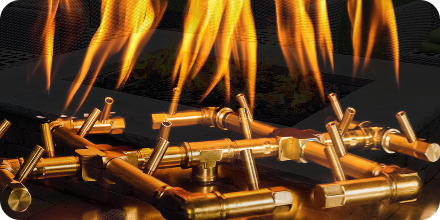
If raw heat is your top priority, gas usually wins the Gas vs Electric Fireplace conversation. Gas fireplaces, on average, produce somewhere between 20,000 and 40,000 BTUs of heat per hour. That means they heat a fairly large area comfortably, and can be used as the primary heating system in a home. You feel a deep, even heat throughout the space, not just a hot spot right in front of the unit.
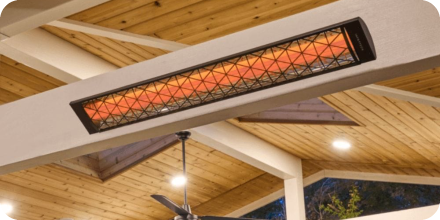
Electric fireplaces, on average, put out somewhere between 3,000 and 10,000 BTUs per hour. This is sufficient for smaller rooms, bedrooms, offices, or as a supplemental heater to take the edge off. The trade-off is that electric fireplaces convert nearly all of the energy they consume into heat in the room, so they’re very energy-efficient at the point of use and are great when you want targeted comfort instead of heating the whole house.
Installation and Setup
Here’s where the Electric vs Gas Fireplace decision starts to feel very different in real life. Gas fireplaces will almost always require professional installation, a gas line, venting, and clearances, so there’s more of an upfront project involved. That can mean cutting into walls, routing vent pipe, and scheduling inspections—but you end up with a built‑in feature that feels like part of the home.
Electric fireplaces are usually much easier and quicker to set up, especially if you’re working with an existing home and don’t want major construction. Many units are plug‑in or simple hard‑wire installs, with no venting required, which is why so many customers choose an electric fireplace vs a gas fireplace when they’re in an apartment, condo, or finished basement where running gas just isn’t practical.
Maintenance and Safety
Think about how much ongoing care you’re okay with, because the Gas Fireplace vs Electric question really shows up here. Gas fireplaces need regular checkups: annual inspections for the burner, gas line, and venting, plus cleaning glass and sometimes replacing parts like igniters or blowers over time. They’re much safer than a wood-burning fireplace, but because they use gas and real flame, you still watch for issues like leaks or carbon monoxide, and pair them with working detectors in the home.
Electric fireplaces are pretty low-effort: typically, you’re just dusting the unit, wiping the glass, and keeping an eye on the power cord or electrical connection. Since there’s no combustion, no vent, and no gas line, the risks are closer to other plug‑in appliances, which is one reason many families with kids or pets lean toward an electric fireplace vs a gas fireplace for peace of mind.
Appearance and Ambience
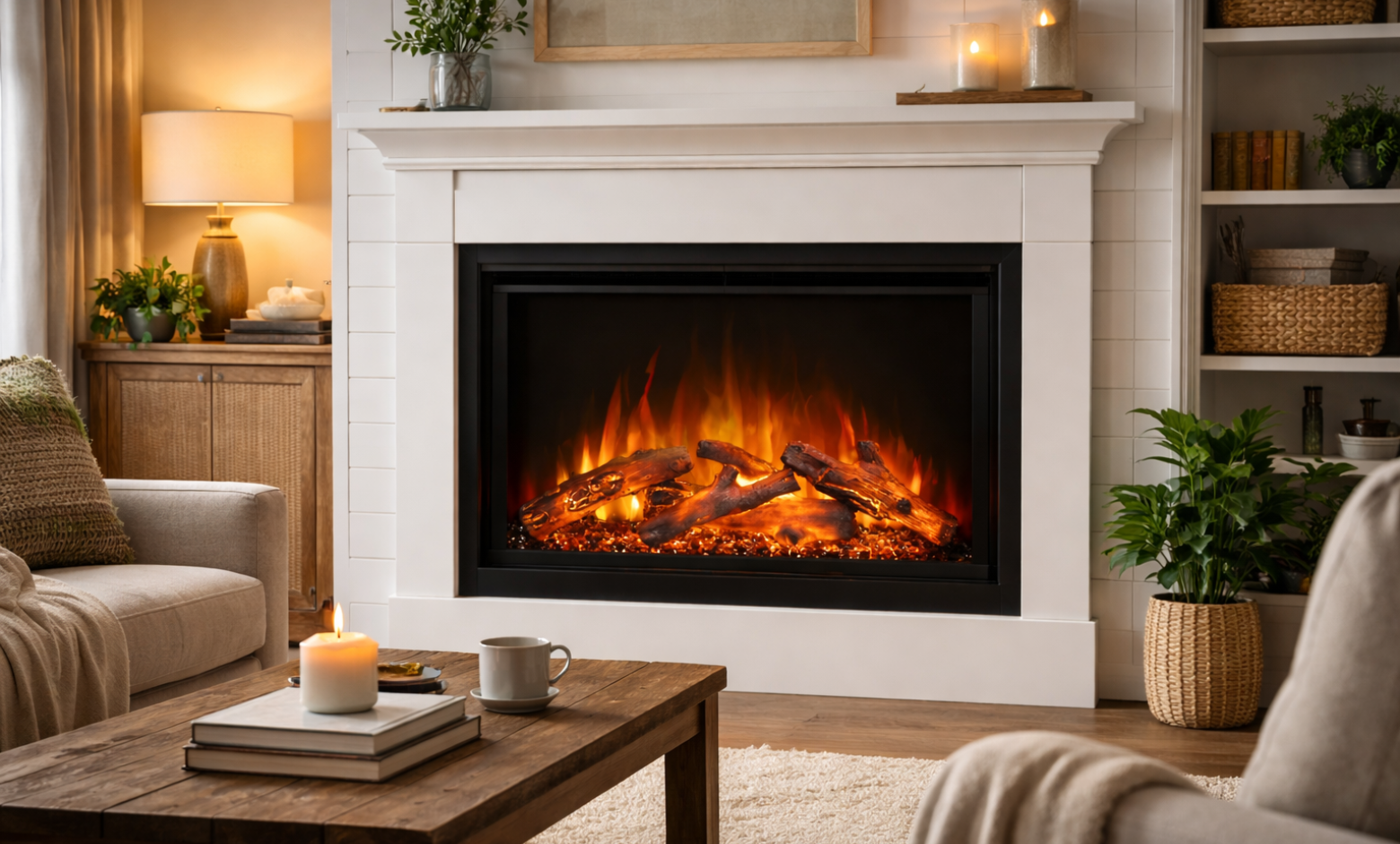
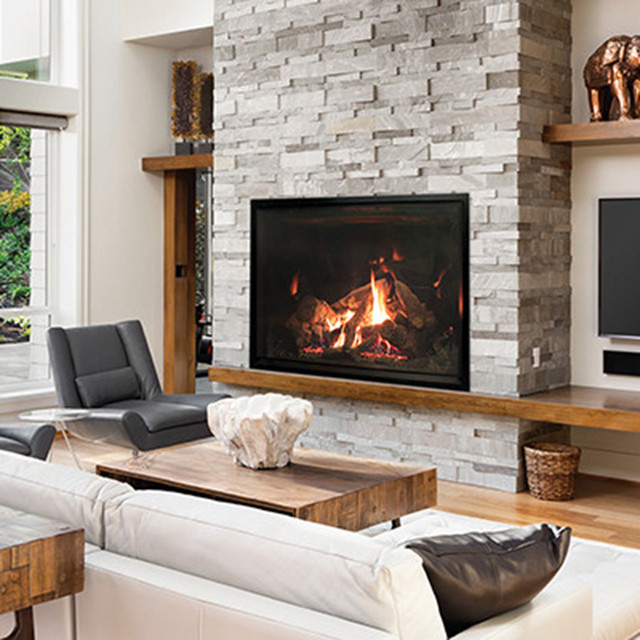
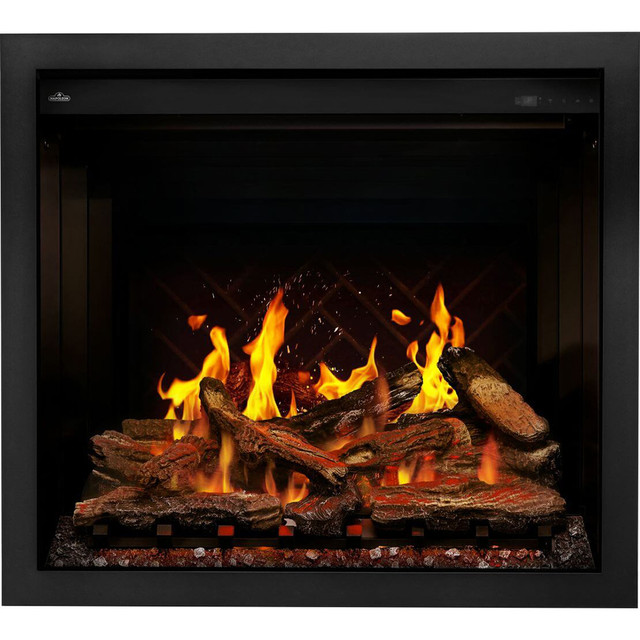
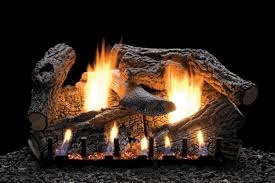
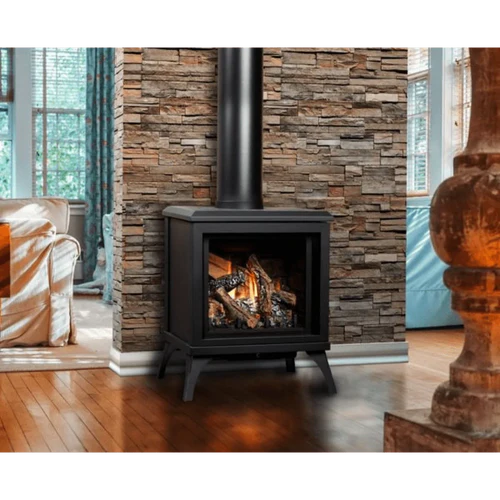
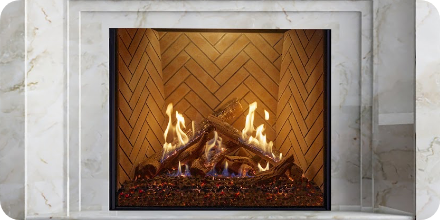
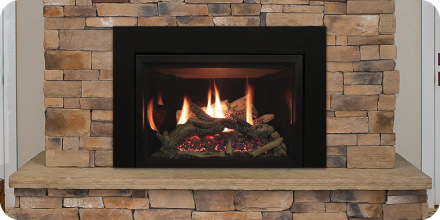
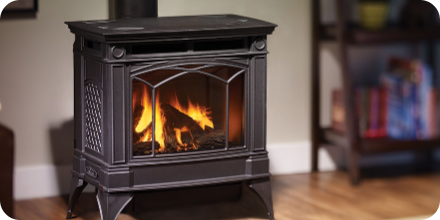
This is where personal taste really kicks in. Gas fireplaces give you real flame, real glow, and that classic “sit down and watch the fire” feel, especially with good logs and a well‑designed firebox. If you grew up with a traditional fireplace and you want that same kind of look, a gas or electric fireplace debate may tilt heavily to gas for you.
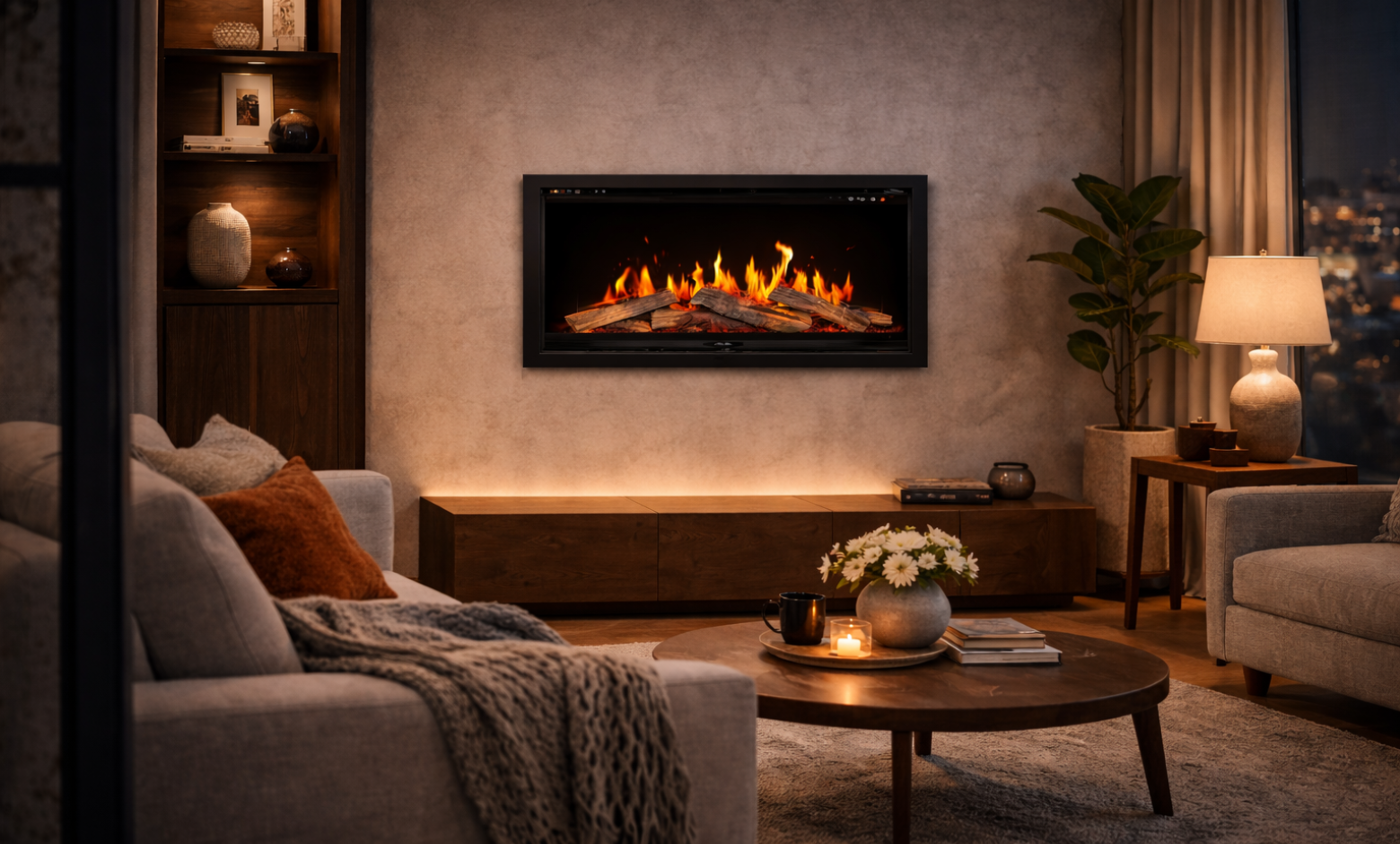
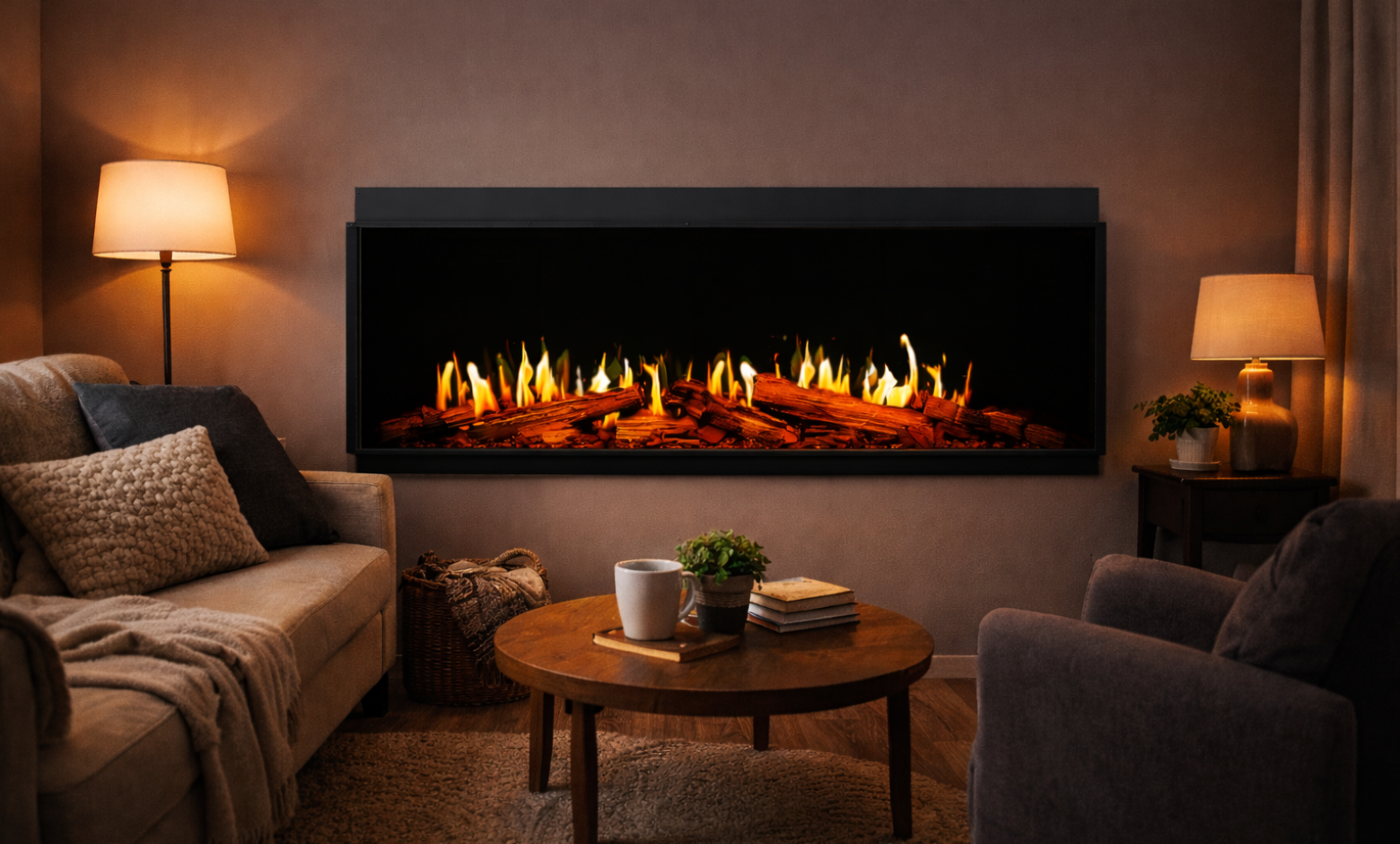
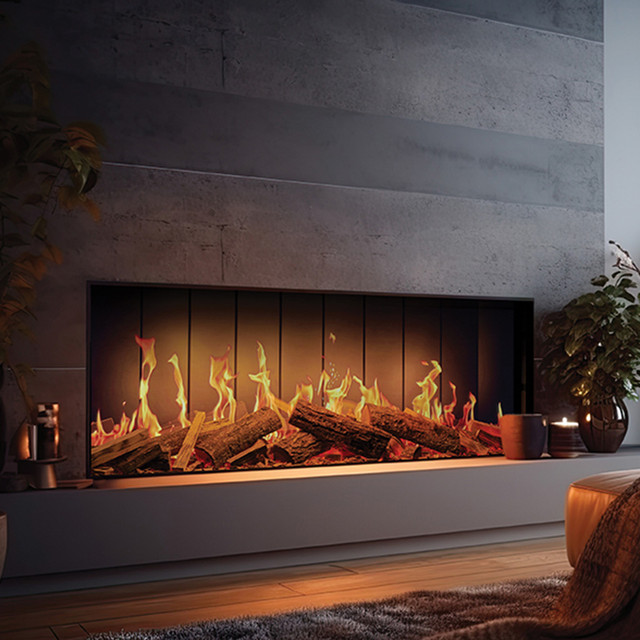
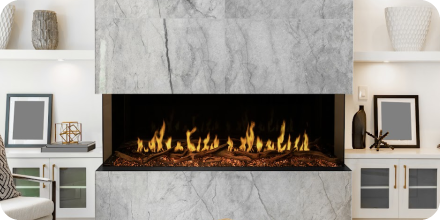
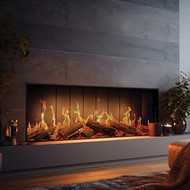
Electric fireplaces have come a long way, though. Many models now offer adjustable flame colors, ember beds, and multiple lighting effects, so you can go from soft amber to cool modern tones at the touch of a remote. There may be no real flame, but you gain a lot of flexibility in design—linear units, media consoles, or wall‑mounted styles—and you can even run the “flames” with no heat all year, which some homeowners absolutely love.
Costs
Thinking about gas vs electric fireplace from a cost angle? Upfront, gas is usually the bigger investment. The unit itself, plus professional installation, venting, and gas line work, can add up, especially if your home isn’t already set up for it. Ongoing, you’ll have fuel costs (natural gas or propane) and yearly service visits, which can run roughly a couple of hundred dollars a year, depending on your area and the setup.
Electric fireplaces tend to be more budget-friendly to buy and much easier to install—many customers handle part or all of the installation themselves. Operating costs depend on your electricity rates and how often you run the heater, but there’s no fuel delivery, no chimney service, and very little scheduled maintenance, which is why a lot of shoppers choose a gas or electric fireplace in favor of electric when they’re trying to control long‑term costs.
Lifespan
You want this thing to last, right? Gas fireplaces are typically built for long service life; with proper care, a quality gas unit can often be expected to run 15–25 years or more. Parts like valves, blowers, or ignition systems may need replacement along the way, but the core appliance is set up for heavy, regular use in colder climates.
Electric fireplaces generally come in around 10–20 years of life, depending on component quality and how hard you run the heater and lights. Over time, you may replace LED lights or electronic boards, and some homeowners eventually upgrade to newer flame technology or styles as designs change, even if the unit still works fine.
Finding the Best Fireplace
So, how do you decide which gas vs electric fireplace setup fits your home? Start by asking a few simple questions:
- Do you want strong, whole‑room or multi‑room heat, or just a cozy boost in one space?
- Are you comfortable with a bigger upfront project for gas, or do you want something you can plug in and enjoy quickly?
- Is your priority realistic flame, or are you more excited about flexible design and low maintenance?
At Embers Living, our team walks customers through this electric fireplace vs gas fireplace decision all the time—sometimes even standing in the showroom, turning two units on side by side so you can literally feel the difference. Maybe you’ve had that moment where you’re huddled around a space heater that barely takes the edge off, and you think, “There has to be a better way.” That’s exactly the kind of real‑life situation we use to help you compare options and pick something that actually keeps your family comfortable.
Frequently Asked Questions
Is a gas or electric fireplace better?
It depends on what “better” means for you. Gas gives you more heat and a very realistic flame, which is great if you want your fireplace to act as a major heat source and a strong focal point. Electric is easier to install, generally safer, more efficient at turning power into heat in the room, and has lower maintenance, which is ideal if you just want reliable comfort with minimal hassle.
Do electric fireplaces heat a room?
Yes, most electric fireplaces are designed to heat roughly 400 square feet, which works well for bedrooms, living rooms, small basements, or home offices. Think of them as a solid supplemental heater: they won’t usually replace a full central system, but they absolutely take the chill off in the area where you spend the most time.
What are the drawbacks of an electric fireplace?
The biggest trade‑off is heat: electric units typically don’t match the output of a gas fireplace, so they aren’t the best choice if you need to warm large areas or multiple rooms. They also rely fully on electricity, so during a power outage, you don’t get heat, and while flame effects are getting better every year, they still don’t look exactly like a real fire to everyone’s eye.
What are the drawbacks of a gas fireplace?
Gas fireplaces cost more to install and usually require a gas line, venting, and professional setup, which can be a significant project in some homes. They also need annual maintenance and come with potential risks like gas leaks or carbon monoxide issues if they’re not installed or serviced correctly, which is why inspections and detectors are so important.
Should I replace my gas fireplace with an electric one?
If you’re tired of yearly service visits, fuel bills, or dealing with older gas equipment, switching to electric can simplify your life and cut down on ongoing costs. Just keep in mind you’ll likely get less heat and a different kind of flame effect, so it’s smart to think about how much you currently rely on that gas unit before making the change.
Have more questions about the Electric vs Gas Fireplace decision for your home? Feel free to contact us online or give us a call directly at (303) 800-5659, or email us at sales@embersliving.com to speak with one of our knowledgeable customer service staff.