

Can I Convert My Wood Burning Fireplace to Gas?
Posted by Anna William on Apr 13th 2026
Yes, you can, and here's everything you should know.
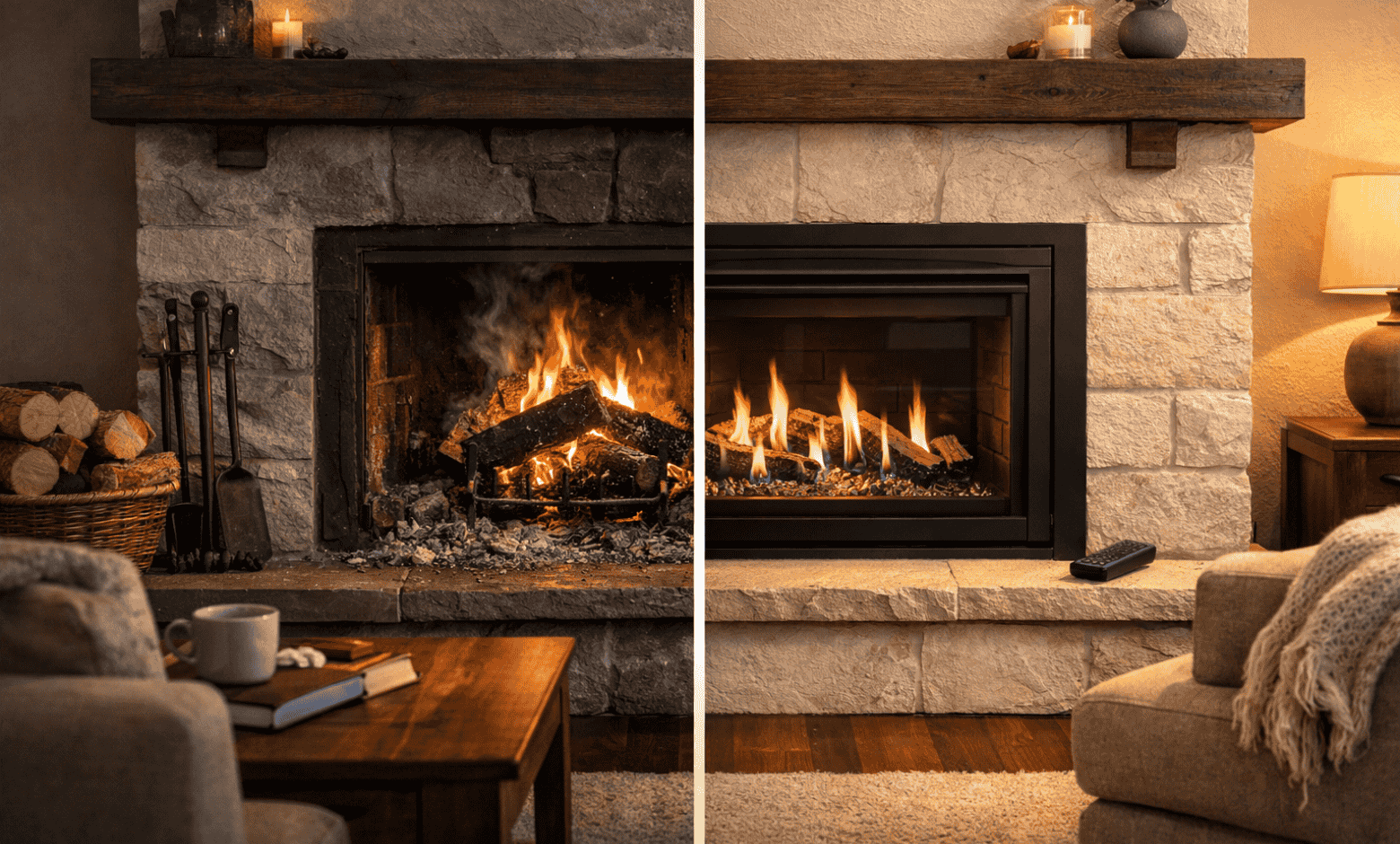
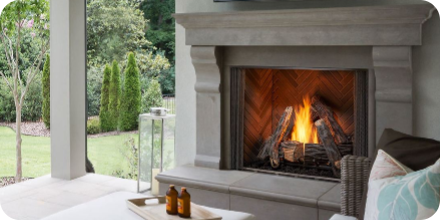
If you've been stacking firewood, cleaning out ash, and dealing with smoky smells season after season, you've probably asked yourself: Can I convert my wood fireplace to gas? The great news is that yes, in most cases, you absolutely can, and it might just be one of the smartest home upgrades you'll make this year. At Embers Living, we help homeowners like you make that switch every day, and we're here to walk you through everything from why people convert, what your options look like, and what you can expect to spend.
Why Convert a Wood-Burning Fireplace to Gas?
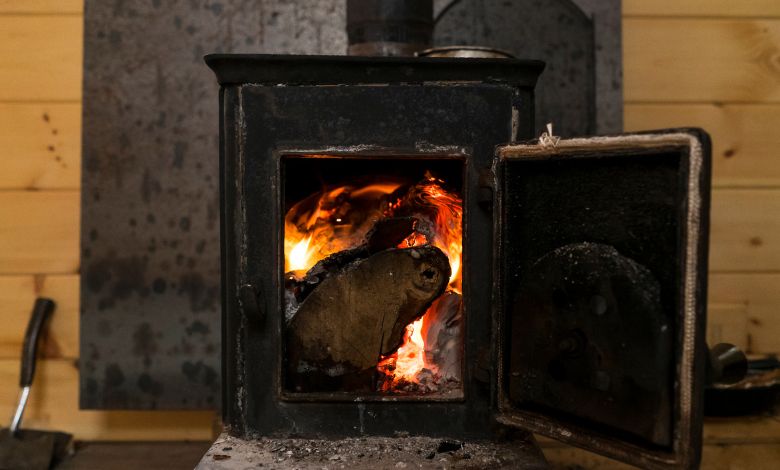
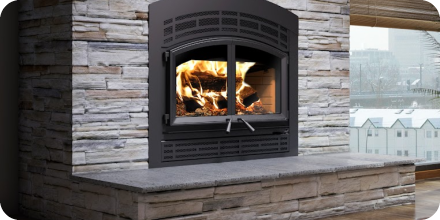
Let's be real. Wood fires are beautiful, but they come with a lot of work. Between sourcing and storing wood, starting fires, managing smoke, and scrubbing out soot, your fireplace can feel more like a chore than a comfort.
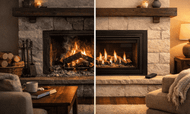
A conversion from wood to gas for a fireplace changes that completely. Here's why so many people who own homes are making the change:
Convenience: Gas fires start with the press of a button on a remote or the flip of a switch. No kindling, no matches, no waiting.
Cleaner air quality: Gas burns much cleaner than wood, producing fewer pollutants and less indoor smoke. That's a big deal for families with allergies or respiratory concerns.
Lower maintenance: Say goodbye to ash cleanup, chimney creosote buildup, and constant chimney inspections tied to wood burning.
Cost savings: Depending on your area, natural gas or propane can be more affordable than buying firewood regularly, especially over a full heating season.
Better efficiency: Gas fireplaces deliver consistent, controllable heat. You're not losing warmth up the chimney the way you often do with an open wood fire.
What's Better — Gas Logs or an Insert?
This is one of the most common questions we get, and the honest answer is: it depends on your goals.
If you love the look of your existing fireplace and want a low-cost, straightforward option, gas log sets can be a great fit. They sit right inside your current firebox and give you that familiar flame aesthetic.
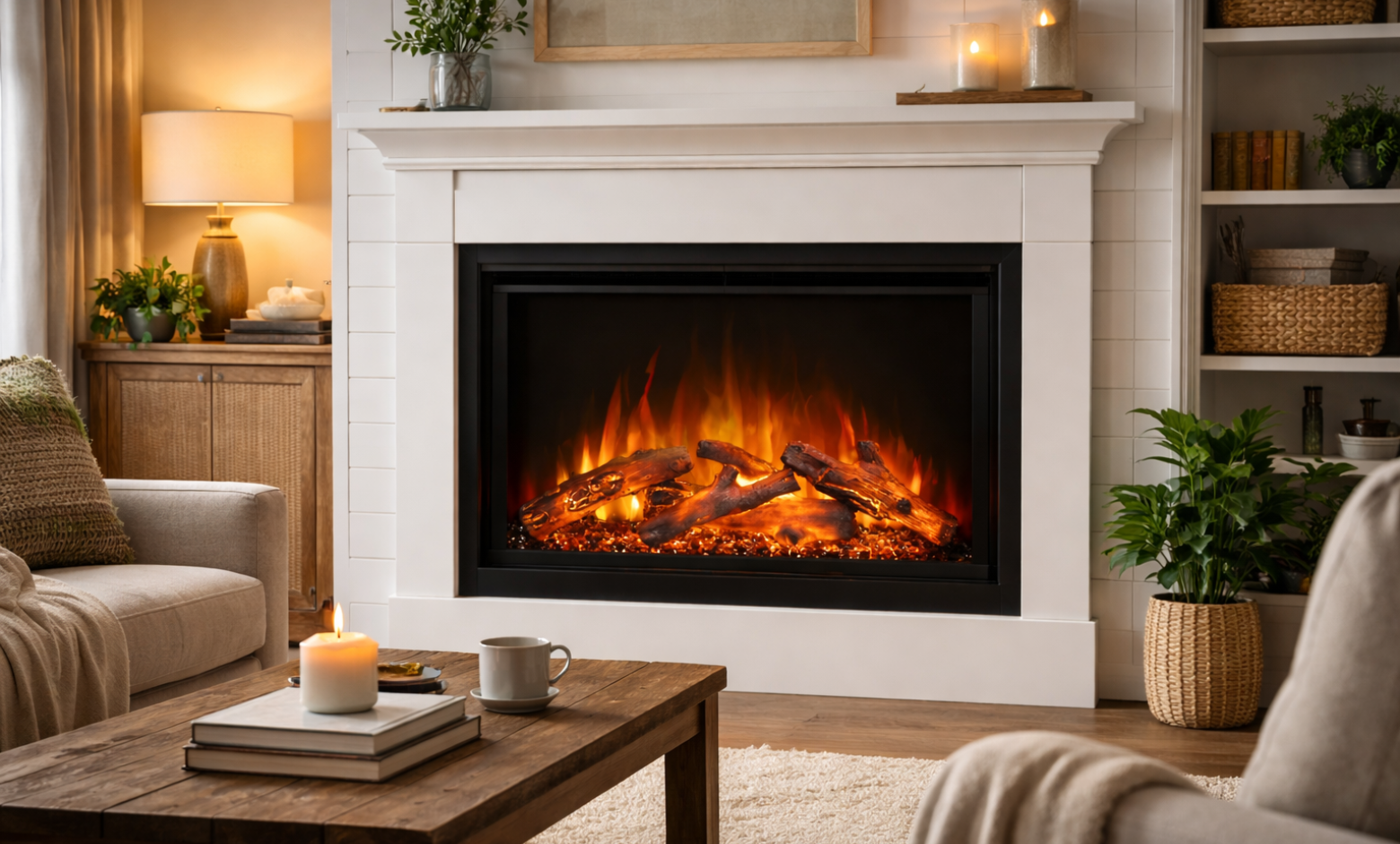
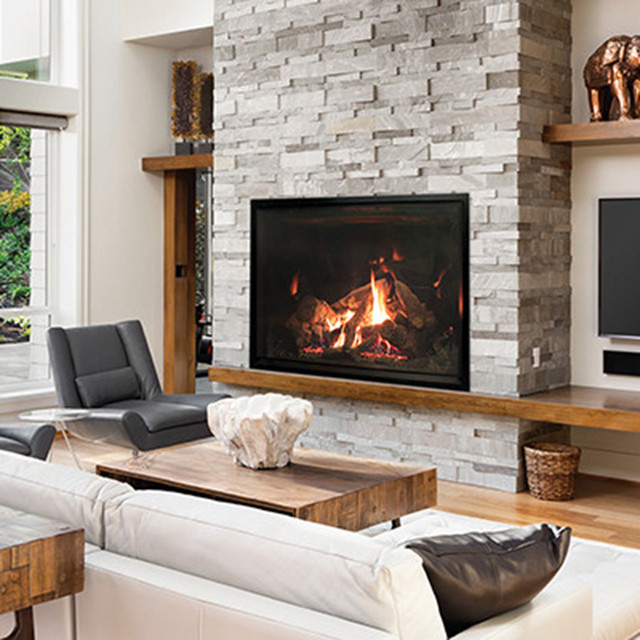
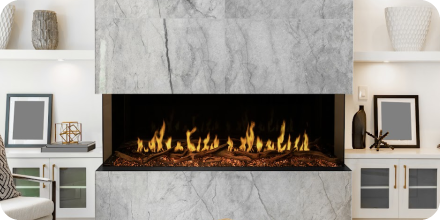
If you want maximum heating efficiency and a more finished, built-in look, a gas fireplace insert is the better pick. Inserts are sealed units that fit directly into your existing masonry or prefab firebox, turning what was once a decorative feature into a real heat source.
Both are solid options. We'll break down each one below so you can decide what makes sense for your home.
Ways to Convert Your Fireplace
Gas Fireplace Inserts
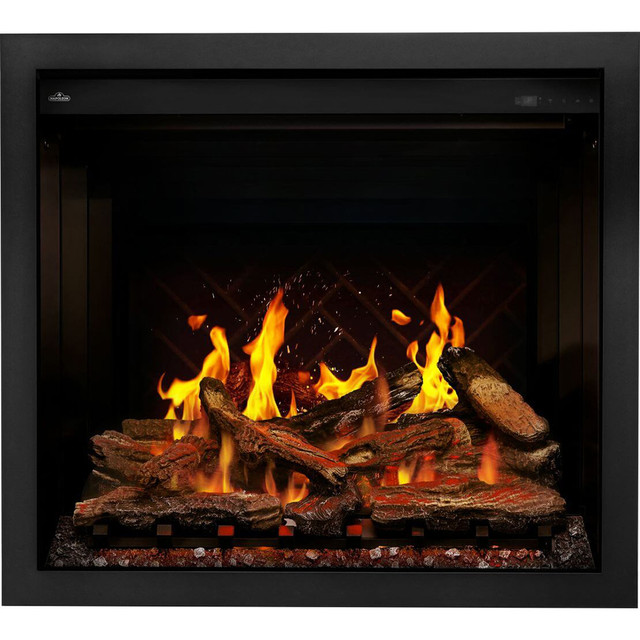
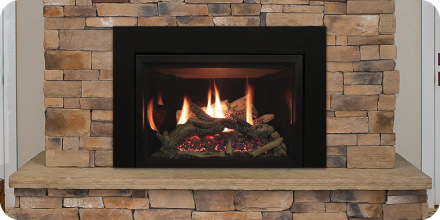
A gas insert is a self-contained firebox that fits neatly into the opening of your current wood-burning fireplace. It uses your current chimney structure but adds its own venting system, making it far more efficient than an open fireplace.
Direct Vent Gas Inserts
Direct vent gas inserts pull combustion air from outside and send exhaust back out through a sealed flue liner inside your chimney. They are completely closed systems, which means the air inside your home stays separate from the combustion process.
Key Benefits of Direct Vent Inserts
- High energy efficiency ratings, often 70% or higher
- Safe for homes without great natural ventilation
- No indoor air quality concerns since combustion is fully sealed
- Available in a wide range of sizes and flame styles
Ventless Gas Inserts
Chimneys and external venting are completely unnecessary with ventless gas inserts. They burn so efficiently that they release only a tiny amount of byproduct, which is designed to be safe for indoor spaces.
Key Benefits of Ventless Inserts
- Easier installation since no venting work is needed
- Maximum heat output goes directly into your living space, with nothing lost up a flue
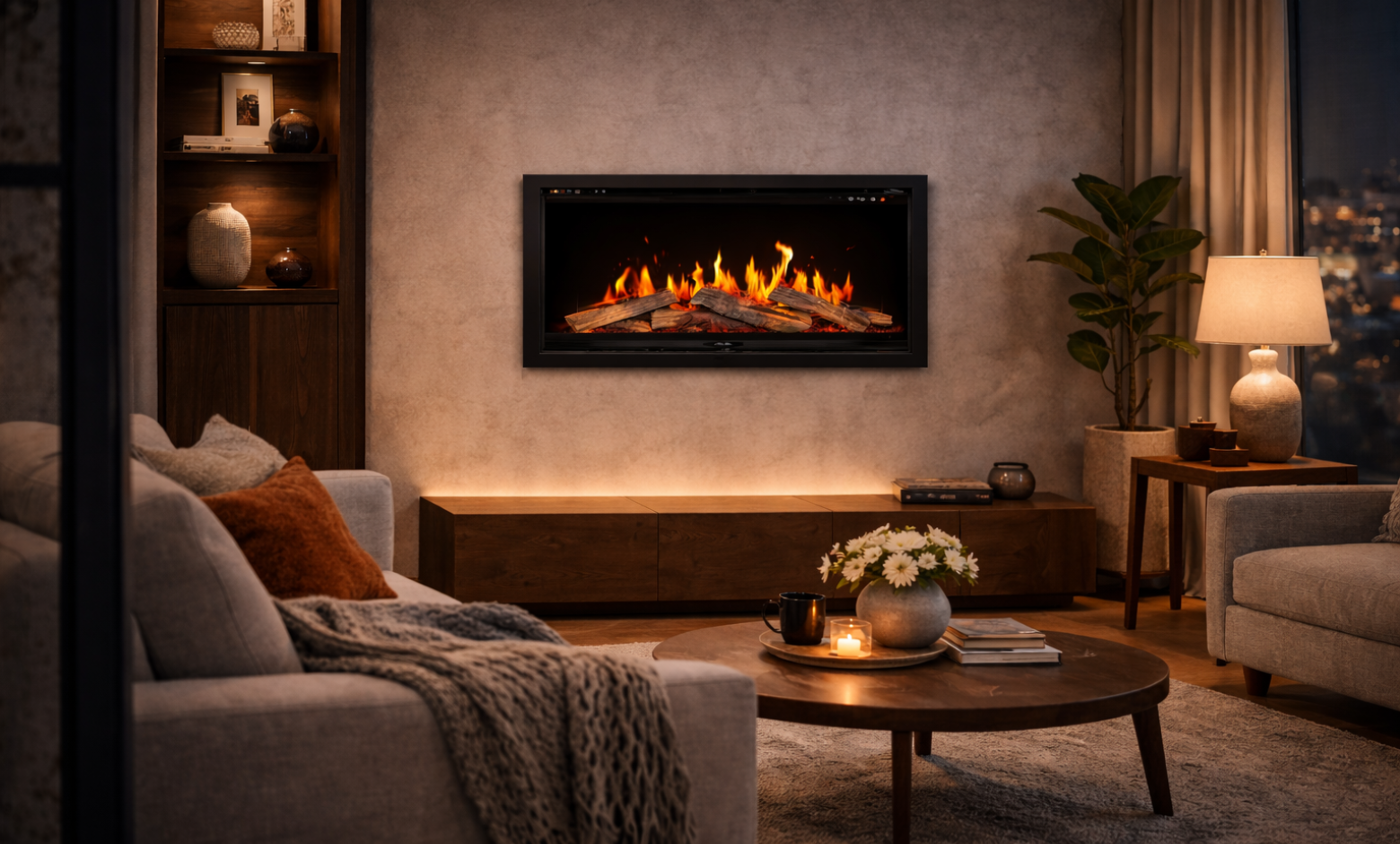
- Flexible placement options if you want to rethink your fireplace layout
- Generally, lower installation costs
Note: Local codes vary on ventless products, so check what's allowed in your area before choosing this route.
Gas Log Sets
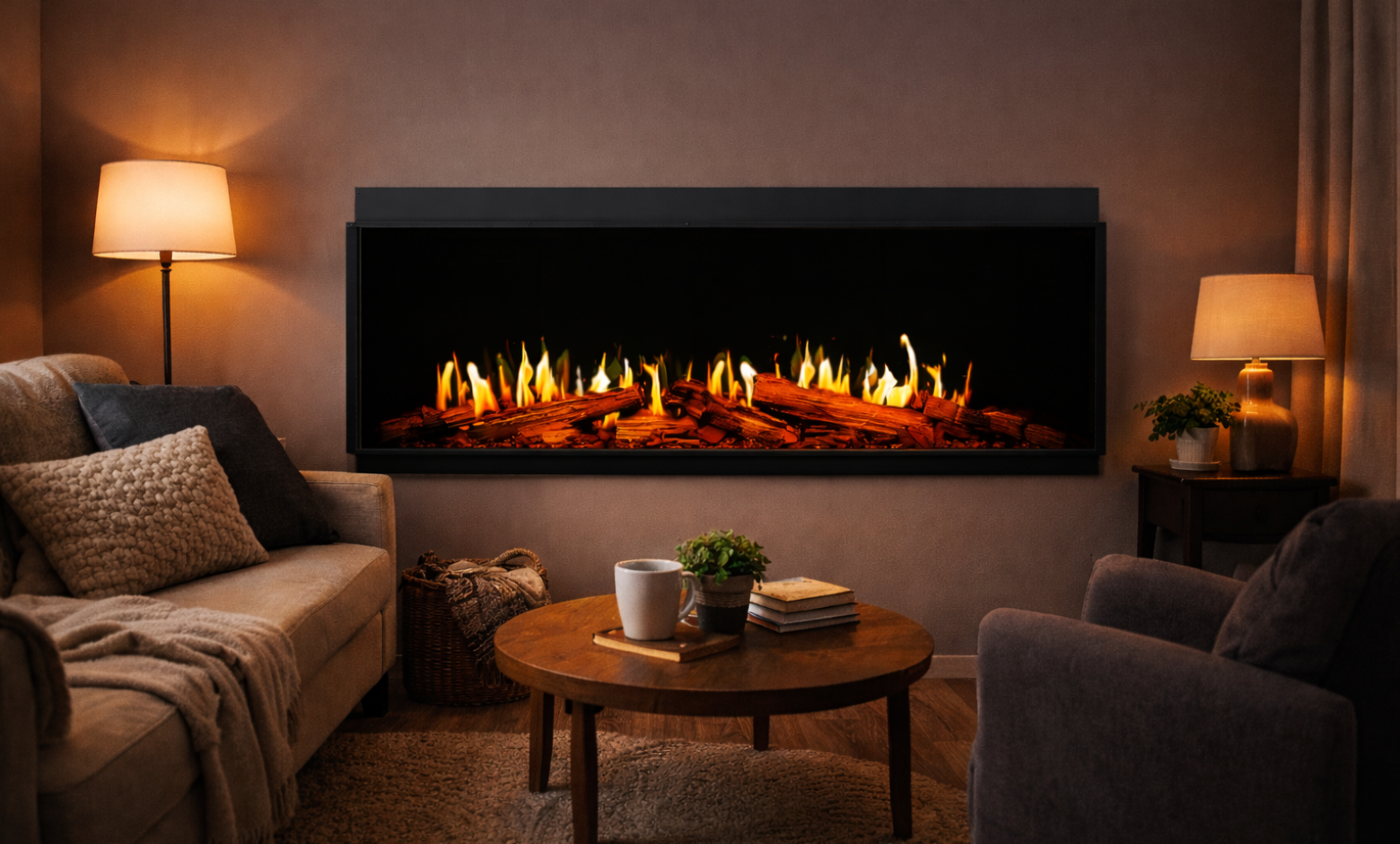
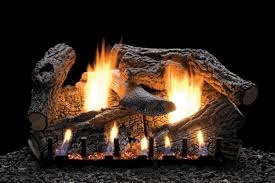
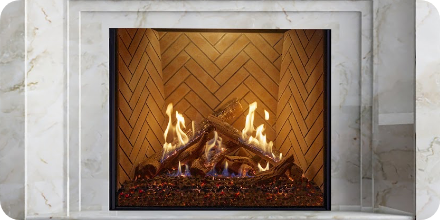
Gas log sets are ceramic or refractory logs designed to look like real wood, placed inside your existing firebox. They connect to your gas line and produce a realistic flame that mimics a wood fire without any of the mess.
Vented Gas Log Sets
Vented gas logs are compatible with open chimneys. The damper stays open during operation, just like with a wood fire, allowing combustion gases to escape up the flue.
Key Benefits of Vented Gas Logs
- The most realistic-looking flames of any gas option
- Simple installation that works with your existing fireplace setup
- Great choice if ambiance and aesthetics are your top priority
Ventless Gas Log Sets
An open damper is not necessary for ventless gas log sets. They burn with higher efficiency and can deliver more usable heat into your room since nothing is escaping up the chimney.
Key Benefits of Ventless Gas Logs
- More heat output compared to vented sets
- No need to open the damper, so you don't lose warm indoor air
- Lower operating costs over time
- Functions well as an additional source of heat in living spaces
At Embers Living, we carry a carefully selected lineup of both vented and ventless gas log sets from trusted brands. Whether you're looking for something ultra-realistic that serves as a showpiece or a hardworking set that throws serious heat, we have options that fit your fireplace and your budget. Our team is always happy to help match you with the right set for your specific firebox dimensions and fuel type.
How Much Does It Cost to Change a Wood-Burning Fireplace to Gas?
Converting a wood-burning fireplace to gas is an investment, but it's one that pays off over time in convenience, efficiency, and home value. Here's a general idea of what to expect:
Gas log sets are usually the cheapest way to get started. Depending on the style and brand, you might spend anywhere from $300 to $1,000 or more for the logs themselves, plus installation costs if you're having a professional connect the gas line.
Gas fireplace inserts range more widely, typically from $1,500 to $4,500 or more for the unit, with installation adding to that depending on the complexity of your venting setup, gas line work, and local labor rates.
Keep in mind that if your home doesn't already have a gas line running to your fireplace, you'll need to factor in the cost of running one. That's a job for a licensed plumber or gas technician, and costs vary by how far the line needs to travel.
The upside? Many homeowners see a return on their investment through lower heating bills, reduced maintenance costs, and added home appeal. People who buy homes often say that changing a wood-burning fireplace to gas is a good idea.
Are There Any Safety Risks?
Converting a wood-burning fireplace to gas is generally very safe when it's done correctly. That's the key phrase: done correctly.
Here are a few things to keep in mind:
Always hire a licensed professional to handle the gas line connections. This is not a DIY project for the gas hookup portion. An improperly connected gas line is a serious hazard.
Check that your unit is the right size for your firebox. An insert that doesn't fit correctly can be a safety issue and won't perform as advertised.
Follow manufacturer guidelines on ventless units. While ventless products are designed and certified to be safe, they should not be used as primary heating in rooms that aren't properly sized, and they should always have carbon monoxide detectors nearby.
Get your chimney inspected before any conversion work begins. If you're adding a direct vent insert, your installer will line the flue, but knowing the condition of your chimney going in is always a smart move.
When you work with us at Embers Living, we'll help you choose a product that fits your fireplace correctly and give you clear guidance on installation requirements, so you're set up for success from day one.
Do you have any other questions about changing your wood-burning fireplace to gas? You can reach us online, by phone at (303) 800-5659, or by email at sales@embersliving.com to talk to one of our knowledgeable customer service representatives.