

Are Electric Fireplaces Energy Efficient? Everything You Need to Know
Posted by Anna William on Apr 10th 2026
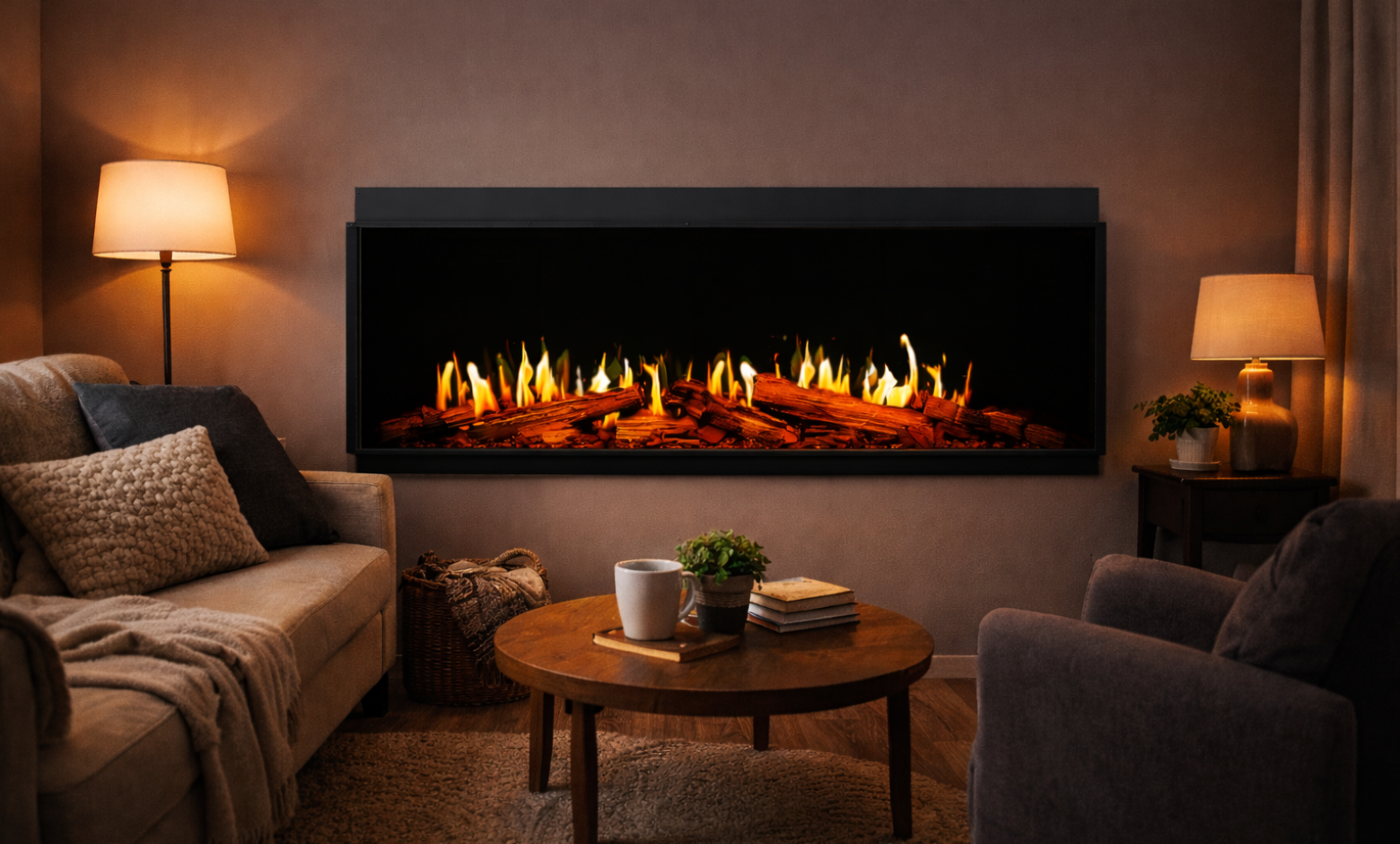
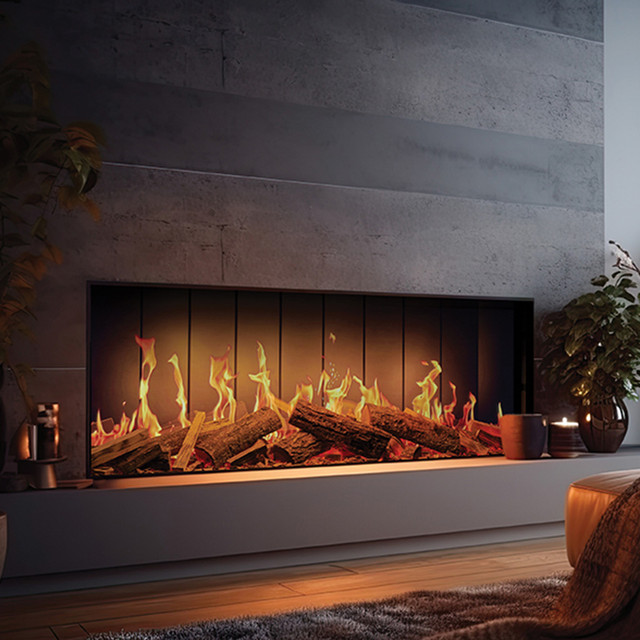
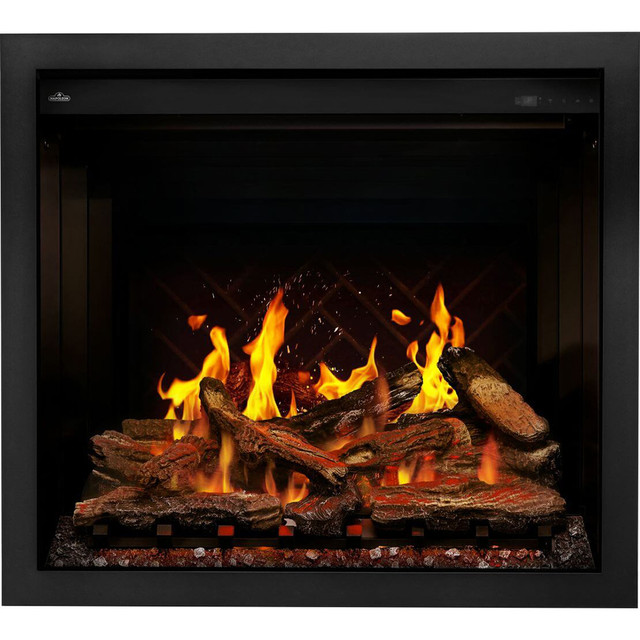
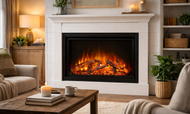
If you have been thinking about adding an electric fireplace to your home, one question always comes up first. Are electric fireplaces energy efficient, and are they worth the investment? The short answer is yes, and an energy-efficient electric fireplace can save you a meaningful amount on your heating costs while giving your living space the warm, inviting ambiance you are after. Whether you are considering a built-in model for your living room or a freestanding unit that moves from room to room, understanding how electric fireplaces work and what they cost to run will help you make the right choice for your home and your budget.
At Embers Living, we help homeowners find the right fireplace solutions for every space and lifestyle. Everything you need to know about electric fireplace efficiency, running costs, and features to consider when selecting a model is broken down in this guide.
Do Electric Fireplaces Heat a Room?
Yes, electric fireplaces heat a room, and they do it quite well for the spaces they are designed to warm. Most standard electric fireplace units produce between 4,000 and 5,000 BTUs of heat output, which is typically enough to warm a room of up to 400 square feet. Depending on the insulation and room layout, some larger or more potent models can heat areas up to 1,000 square feet.
Electric fireplaces use a fan and an integrated heating element to force warm air into the space. Unlike a traditional fireplace, there is no heat lost through a chimney or flue, which means nearly 100 percent of the electrical energy consumed is converted directly into usable heat. This makes them considerably more efficient at turning energy into warmth compared to wood-burning or gas alternatives.
It is worth noting that electric fireplaces work best as a supplemental heat source for individual rooms rather than a primary heating system for an entire home. The strategy of using zone heating, which means warming only the rooms you are actively using while lowering your central thermostat, is where an electric fireplace delivers the most value. You get the comfort of a warm room without paying to heat the whole house.
Do Electric Fireplaces Consume a Lot of Power?
Electric fireplaces are not heavy electricity consumers relative to the heat they produce. Depending on the heat setting, a typical unit uses 750–1,500 watts of power and is powered by a standard 120-volt household outlet. At full power, a 1,500-watt electric fireplace uses 1.5 kilowatt-hours of electricity per hour of use.
The same amount of power is used by a typical electric space heater, to put that into perspective. What sets electric fireplaces apart is that many models allow you to run the flame display independently from the heater. This implies that you can take pleasure in the aesthetic atmosphere of a flickering fire without using any heating power, which is extremely inexpensive to operate.
Most electric fireplaces also include adjustable heat settings, letting you drop down to 750 watts when full heat is not needed. You have actual control over how much electricity you use each session, thanks to this flexibility.
Is a Gas Fireplace Cheaper Than an Electric Fireplace?
The answer depends on energy prices in your area, but electric fireplaces generally come out ahead in terms of total cost of ownership when you factor in installation, maintenance, and day-to-day operating expenses.
Gas fireplaces require professional installation that typically costs between $2,000 and $5,000 or more, depending on whether you need a gas line run to the location. They also require annual inspections, chimney or vent cleaning, and occasional part replacements. In contrast, there is no special installation needed for electric fireplaces. They are ready to use as soon as you plug them in. There are no gas lines, no venting, and no annual maintenance requirements.
On a per-hour operating basis, gas can sometimes be cheaper than electricity, depending on current utility rates in your region. However, the significantly lower upfront and maintenance costs of electric fireplaces often make them the more affordable option over a period of several years. If your goal is to supplement room heating at a manageable ongoing cost without a large initial investment, electric is typically the smarter financial choice.
What Qualities Are Needed for an Effective Electric Fireplace?
There are differences among electric fireplaces. If you want the best performance and the lowest operating costs, look for these features when shopping for an energy-efficient electric fireplace:
- Adjustable Heat Settings: A good electric fireplace should offer at least two heat levels, typically 750 watts and 1,500 watts, so you can match your output to the actual heating demand of the room. Running at half power when full heat is not needed cuts your electricity consumption in half.
- Thermostat Control: A built-in thermostat lets the fireplace cycle on and off automatically to maintain your target room temperature. This prevents the unit from running continuously when the room is already warm, saving you electricity without any extra effort.
- Timer Function: You can specify the precise duration of the fireplace's operation with a programmable timer. You can program it to turn on before you get home and shut off automatically at bedtime, which prevents accidental all-night operation.
- Flame-Only Mode: The ability to run the flame display without activating the heater is a feature that gets overlooked but adds a lot of value. You can enjoy the aesthetic ambience of a fire for nearly nothing during the warmer months.
- LED Flame Technology: Modern electric fireplaces use LED bulbs to produce the flame effect. LEDs consume very little power compared to incandescent bulbs and last for tens of thousands of hours, meaning you will rarely, if ever, need to replace them.
- Safety Shutoff: If the unit overheats, a thermal overload protection feature automatically turns it off. This is a standard feature on high-quality models and safeguards both the appliance and your house.
How long can I run an electric fireplace?
You can run most electric fireplaces for as long as you need them, and many models are built to operate continuously for extended periods. That said, most manufacturers recommend running the heater for no more than 8 to 12 hours at a stretch to allow the internal components to rest and avoid overheating. If your unit has a built-in thermostat, it will cycle on and off automatically as needed, which significantly extends the safe operating window.
Running the flame display without the heater activated carries almost no risk and very low cost, so you can leave that mode running for as long as you like. Many homeowners run the flame-only mode for hours in the evening simply for the atmosphere and relaxation it provides.
To get the most out of your electric fireplace over time, keep the vents clear of dust and obstructions, place the unit away from furniture and curtains to maintain proper airflow, and use the timer or thermostat features so it does not run longer than necessary.
How Much Does It Cost to Operate an Electric Fireplace?
The unit's wattage and the local electricity rate determine how much an electric fireplace will cost to operate. Although prices vary greatly by state and utility provider, the average national electricity rate in the US is between 12 and 16 cents per kilowatt-hour.
At full power (1,500 watts), an electric fireplace uses 1.5 kWh per hour. That equates to about 19 to 20 cents per hour of operation at the national average rate of 13 cents per kWh. Running the fireplace for 4 hours per evening costs approximately 75 to 80 cents per day, or around $22 to $24 per month if used daily.
At half power (750 watts), the cost drops to roughly 9 to 10 cents per hour, bringing monthly costs down to around $11 to $12 for 4 hours of daily use. If you use the thermostat mode, the actual cost will typically fall somewhere between the half-power and full-power figures, depending on how often the heater cycles on.
Compared to the cost of running central heating to warm an entire home, using an electric fireplace for zone heating in your primary living space can produce real monthly savings. Many homeowners report lowering their thermostat by 5 to 10 degrees during the hours they spend in one room, which can reduce overall heating costs noticeably over the course of a winter.
Factors Influencing an Electric Fireplace's Operating Expenses
The actual cost of operating your electric fireplace on a daily basis depends on a number of factors. Understanding these variables helps you get the most heat for your dollar:
- Your Local Electricity Rate: Rates vary significantly across the country. Hawaii and California have some of the highest rates, while Louisiana and Oklahoma have some of the lowest. To determine your exact hourly operating cost, check your utility bill.
- Room Size and Insulation: A well-insulated room holds heat longer, which means your fireplace runs less frequently to maintain the same comfort level. Drafty rooms or spaces with poor insulation require the heater to run more often, increasing electricity use.
- How You Set the Thermostat: Using the thermostat at a modest temperature rather than running the unit continuously at full blast makes a significant difference in monthly costs. Setting it to 68 or 70 degrees rather than 75 degrees reduces how often the heating element activates.
- How Often You Use the Flame-Only Mode: Running the flame effect without the heater is close to free in terms of electricity. If you regularly use this mode in the evenings for ambiance, your actual electricity costs will be much lower than if you always run both the heat and the flame together.
- The Efficiency of the Unit Itself: Higher-quality electric fireplaces convert electricity to heat more consistently, with better fan systems and heating elements that distribute warmth across the room. A well-made unit from a trusted brand typically performs better and costs less to run over time than a cheaper model.
Do Electric Fireplaces Use Less Energy? A Closer Examination
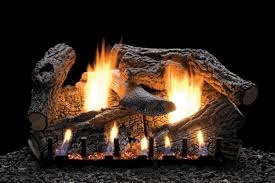
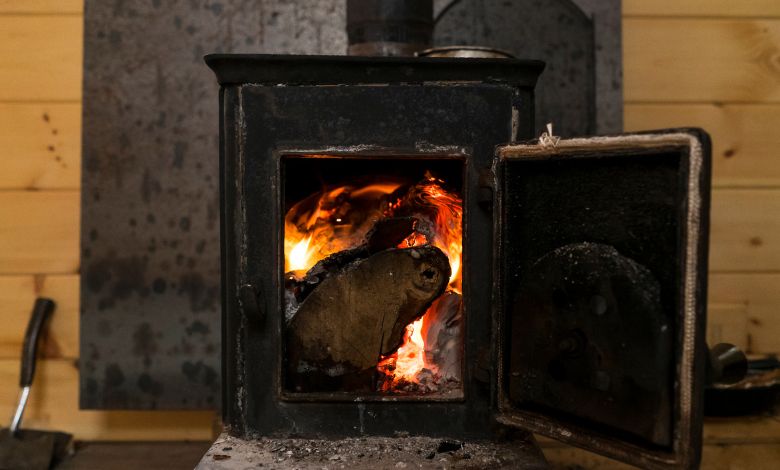
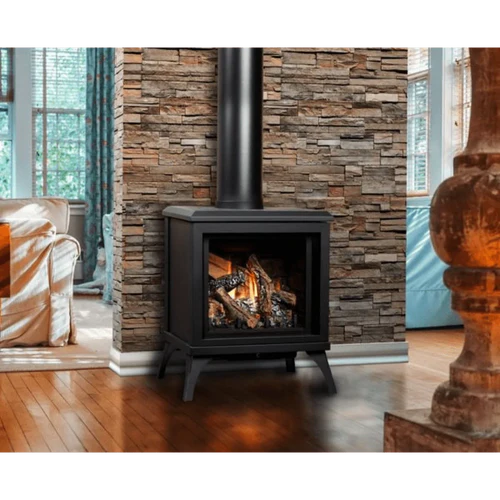
So, are electric fireplaces efficient when you look beyond the surface-level numbers? Yes, and here is why. Traditional wood-burning fireplaces lose a large portion of their heat up the chimney, with efficiency ratings often as low as 10 to 30 percent. That means for every dollar you spend on firewood, you may be getting less than a third of it in actual room heat. Gas fireplaces perform better, with efficiency ratings between 70 and 85 percent for direct-vent gas fireplace models, but they still lose some heat through the venting system.
An energy-efficient electric fireplace converts close to 100 percent of the electricity it consumes into heat delivered directly to the room. There is no flue, no chimney, and no combustion byproducts. Every watt of electricity you pay for goes toward warming your space. That is a level of thermal efficiency that neither wood nor gas can match.
How energy efficient are electric fireplaces in practice? Studies and real-world usage data consistently show that homeowners who use electric fireplaces for zone heating, warming the rooms they occupy while dialing back central heating, see measurable reductions in overall winter energy bills. The savings vary based on home size, climate, and how diligently you apply the zone heating strategy, but even modest adjustments to your thermostat settings can translate to real savings.
Are electric fireplaces efficient enough to be a primary heat source? For most homes, no. For particular rooms or zones, they work best as an additional heating source. However, for the reason they were designed, providing the desired warmth and ambience in the spaces where you spend the most time, they perform exceptionally well and at a low ongoing cost.
Beyond energy performance, electric fireplaces offer a range of practical advantages that add to their overall value. They require no chimney cleaning, no fuel delivery, no gas line, and no annual service appointments. They are safe enough to use in apartments, condos, and bedrooms. They can be installed almost anywhere there is an electrical outlet. And they offer the visual warmth and comfort of a real fire without any of the safety risks associated with open flames, carbon monoxide, or smoke.
At Embers Living, we carry a wide selection of electric fireplaces from the industry's most trusted brands, including built-in electric fireplaces, wall-mount models, TV console fireplaces, and freestanding units in a variety of sizes and styles. Whether you are outfitting a primary bedroom, a living room, a finished basement, or a home office, we have options that fit your space and your budget. Our team can help you identify the right size, heat output, and features to get the best results for your specific situation.
An electric fireplace is one of the best investments you can make if you want to add the coziness and atmosphere of a fireplace to your house without the trouble or cost of a traditional installation. To view the entire selection of options we have, visit our showroom or peruse our collection online.
Do you have more questions about electric fireplaces' energy efficiency? Please don't hesitate to reach out to us anytime—whether online, by phone at (303) 800-5659, or via email at sales@embersliving.com. Our friendly and knowledgeable customer service team would be happy to assist you!